
Social platforms are not waiting for marketers to connect the dots anymore.
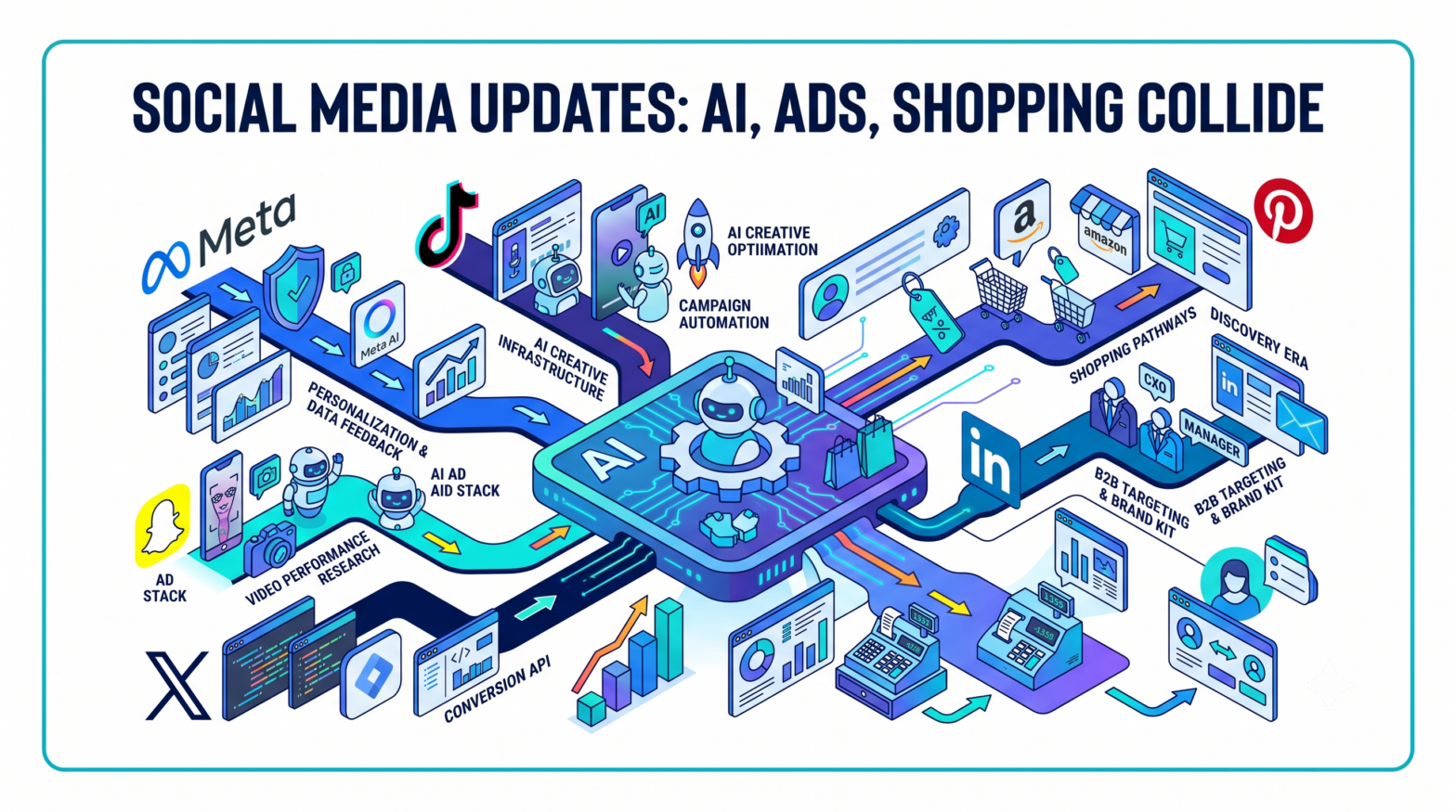
In June, Meta, TikTok, Pinterest, LinkedIn, Snapchat and X all moved in the same direction: fewer handoffs, more AI-assisted production, tighter shopping pathways and stronger platform-controlled measurement systems. The updates were not identical. The pattern was.
The biggest social media updates of the month were not about one new format or one new dashboard. They were about the operating system underneath social media marketing.
Meta Pushes Personalization Beyond Ads
Meta’s most important June update was not a creative tool. It was a data policy shift.
The company confirmed that activity shared by other businesses can now be used to personalize Feed content and Meta AI responses, not only ads. In Meta’s example, a person who visits a game website or buys something from another business could see that activity reflected in future Feed recommendations or Meta AI responses. Meta said it is not collecting new types of information for this change, but it is expanding how existing shared activity may be used.
In its official newsroom announcement, Meta also said it is expanding its “Activity from other businesses” setting and discontinuing the older “Your activity off Meta technologies” setting.
That makes Meta’s tracking layer more important than it already was.
Pixel events, Conversions API setup, product signals and CRM data are no longer just paid media plumbing. They can influence more of the system that decides what people see, what Meta AI returns and how Meta understands user intent across its apps.
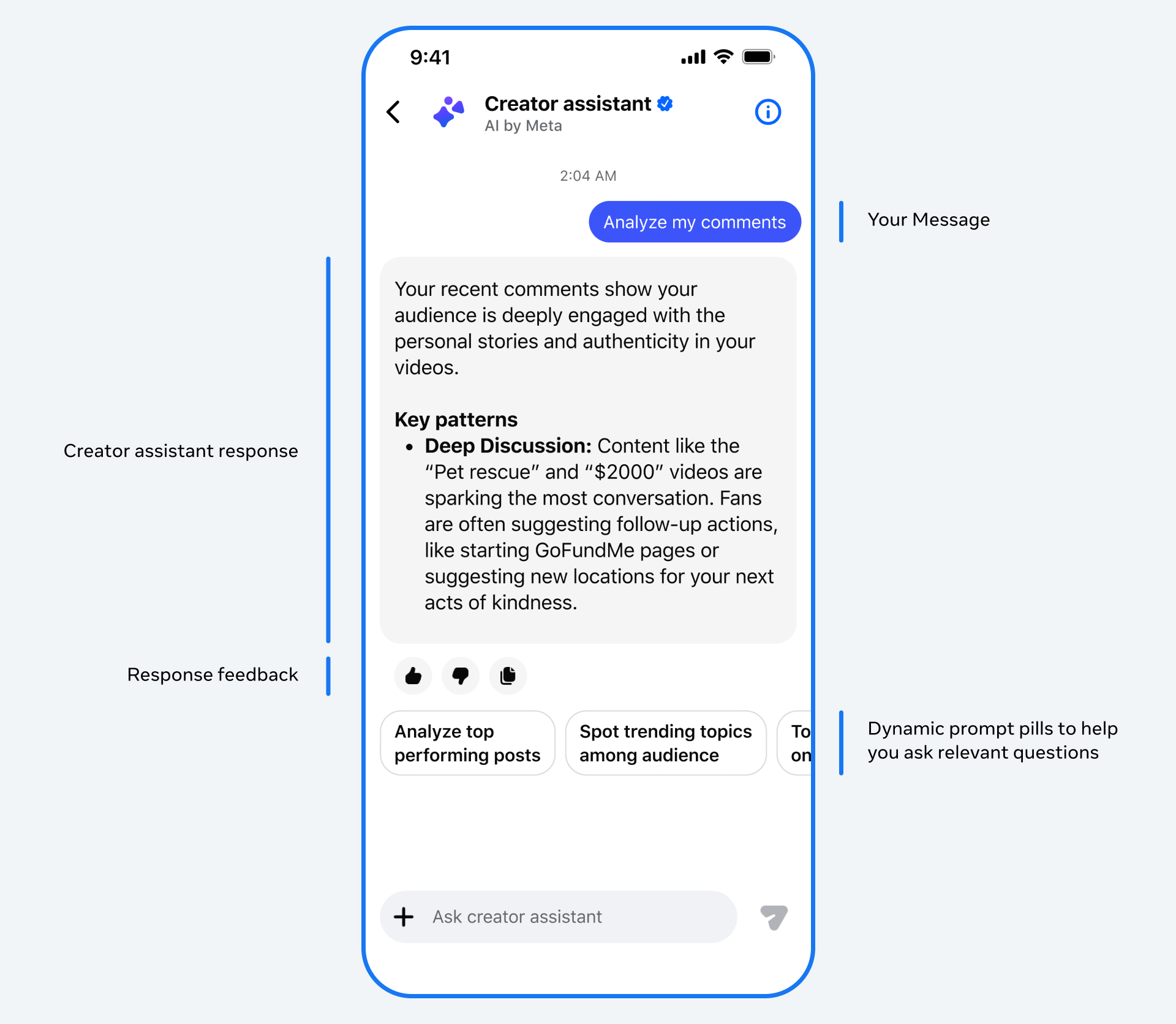
Meta also rolled out Creator Assistant on Facebook, an AI tool built to help eligible creators interpret performance, understand community activity and generate recommendations from inside the professional dashboard. The rollout began with eligible creators in the United States, Canada and India. Meta also expanded Reels AI translations to more languages.
For social teams, the message is direct. Meta is making AI more native to both content management and user experience. That affects paid social advertising, organic publishing and conversion tracking at the same time.
TikTok Turns AI Creative Into Campaign Infrastructure
TikTok’s June updates were built around one idea: creative production should move at the same speed as campaign optimization.
At Cannes Lions 2026, TikTok said it was showcasing agentic AI solutions, creator collaborations and new ways for brands to turn culture into measurable business outcomes. The platform framed the update around discovery, creator participation and performance, arguing that brands increasingly need tools that connect inspiration with action. TikTok’s Cannes Lions newsroom post positioned agentic AI as part of that broader commercial system.
TikTok also used TikTok World 2026 to introduce a wider set of AI-powered advertising tools. The official announcement covered AI campaign summaries, Asset Manager, GMV Max updates, TikTok Market Scope modules, TikTok GO Ads for travel marketers and a TikTok Ads Model Context Protocol server for advertisers and developers building agentic workflows around TikTok Ads. TikTok’s official TikTok World 2026 announcement gives the clearest verified source for those updates.
The campaign logic is getting compressed.
Creative analysis, ad generation, product promotion, performance summaries and campaign automation are being pulled into the same workflow. TikTok’s own Ads Manager documentation also describes Generate with AI, which can produce creative assets inside the ad creation process by analyzing manually entered information, a product ID or a URL.
That does not remove the need for human creative direction. It changes where the bottleneck sits.
Instead of asking whether a team can make one strong video, advertisers now have to ask whether they can maintain enough approved, platform-native creative variation for AI-assisted systems to test and optimize. TechWyse covered that broader platform shift in its earlier report on TikTok World 2026’s new AI ad tools, travel booking features and MCP infrastructure.
LinkedIn Adds Guardrails and Reach Signals for B2B Marketers
LinkedIn’s June updates were more controlled than the AI-heavy announcements from TikTok or Meta, but they matter for B2B teams that need clearer targeting, stronger brand governance and better post-level analysis.
LinkedIn’s Campaign Manager brand kit documentation says selected advertisers can set core brand assets such as colour palette, fonts and brand voice directly inside Campaign Manager. LinkedIn says the tool can automatically assemble brand voice from a company’s existing LinkedIn presence, including past content and the Company Page, while allowing marketers to manually edit or override those fields.
That is a practical AI advertising update, not a cosmetic one.
If an ad platform is helping generate campaign assets, brand rules become infrastructure. Brand kit gives enterprise teams and agencies a way to reduce off-brand mistakes before AI-drafted ads enter production. LinkedIn’s documentation says the feature is currently available only to select accounts, with single image ads listed as the supported format for brand kit use.
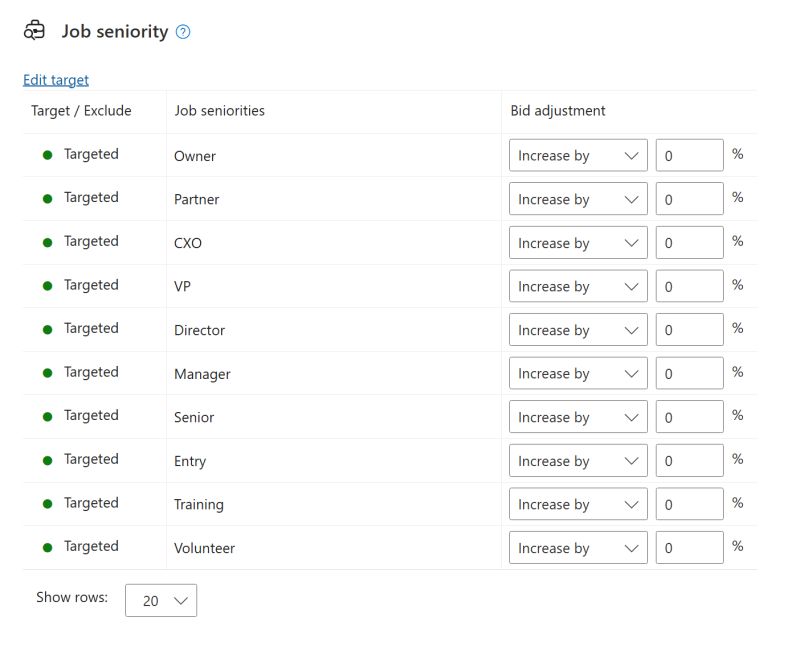
Microsoft Advertising also expanded the conversation around LinkedIn profile targeting. In a LinkedIn post from Navah Hopkins, LinkedIn profile targeting was described as adding job seniority support for Search and Audience ads campaigns, with standardized seniority levels including CXO, VP, Director, Manager, Senior, Entry, Owner, Partner, Training and Volunteer. Microsoft Advertising also responded positively in the comments on the post.
For B2B advertisers, that turns LinkedIn audience data into a more precise paid search and audience-campaign layer. TechWyse previously covered Microsoft’s use of LinkedIn professional data in its report on LinkedIn profile targeting for CTV ads, and the same strategic theme applies here: professional audience signals are moving beyond LinkedIn’s own feed.
LinkedIn also added a clearer way to understand organic reach. In a LinkedIn product post from Sam Corrao Clanon, the platform described a new metric that breaks post impressions into in-network and out-of-network reach. In-network reach measures impressions from people already connected with or following the creator. Out-of-network reach measures impressions from people who were not already following or connected.
That distinction gives social media managers a sharper read on whether a post is deepening existing audience engagement or finding new people through recommendations, reshares, search and other discovery surfaces.
Pinterest Links Discovery More Directly to Shopping
Pinterest’s June updates were the clearest example of social discovery becoming commerce infrastructure.
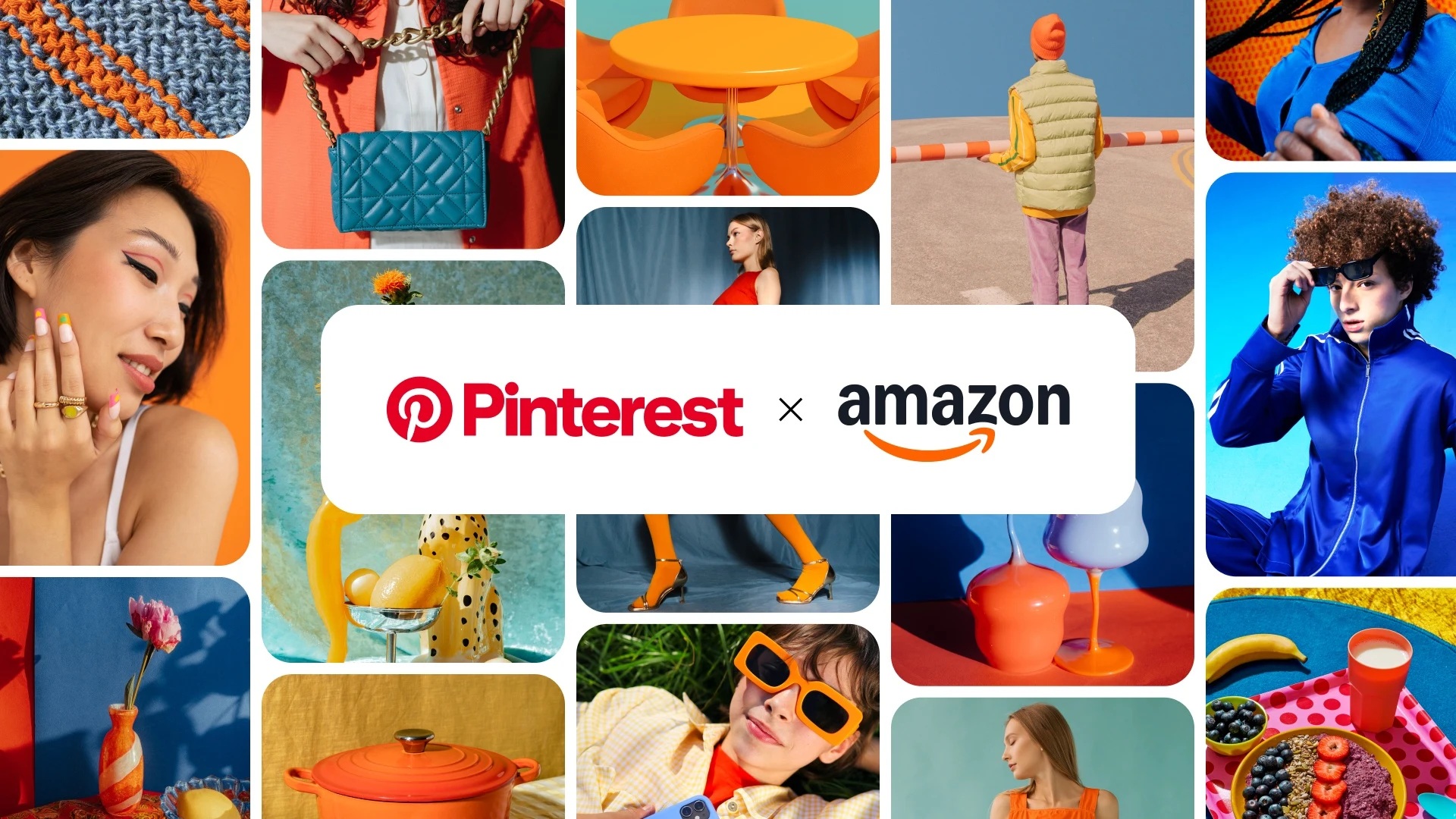
On June 10, Pinterest announced Amazon Storefront linking for creators. Eligible creators can now show an Amazon Storefront handle directly on their Pinterest profile, giving users a faster path from saved inspiration to product recommendations and storefront browsing. Pinterest said other storefront partners will be added later. Pinterest’s official Amazon Storefront announcement includes a product mockup showing how the feature appears on a creator profile.
That is a meaningful change for creator-led commerce.
Pinterest has always sat closer to planning than posting. A user might search for nursery ideas, vacation outfits, kitchen designs or wedding inspiration weeks before buying anything. Storefront linking gives creators a clearer commercial surface inside that planning behaviour.
A week later, Pinterest announced new AI tools for what it called the “discovery era.” The official Cannes 2026 announcement introduced Business Assistant, Pinterest Model Context Protocol, new Pinterest Performance+ creative capabilities and Ask Pinterest, a limited-access AI-powered shopping experiment. Pinterest’s newsroom announcement framed the update around recommendation, relevance and action rather than traditional keyword-only discovery.
That language matters.
Pinterest is positioning itself as a taste and decision engine, not just a visual search platform. Its AI tools are designed to help advertisers understand platform behaviour, improve shopping experiences and create performance assets more efficiently. TechWyse examined that same shift in its report on Pinterest’s AI ad tools and shopping app updates.
Snapchat Adds AI to the Ad Stack, Not Just the Camera
Snapchat’s June updates focused on AI-enabled advertising and video performance.
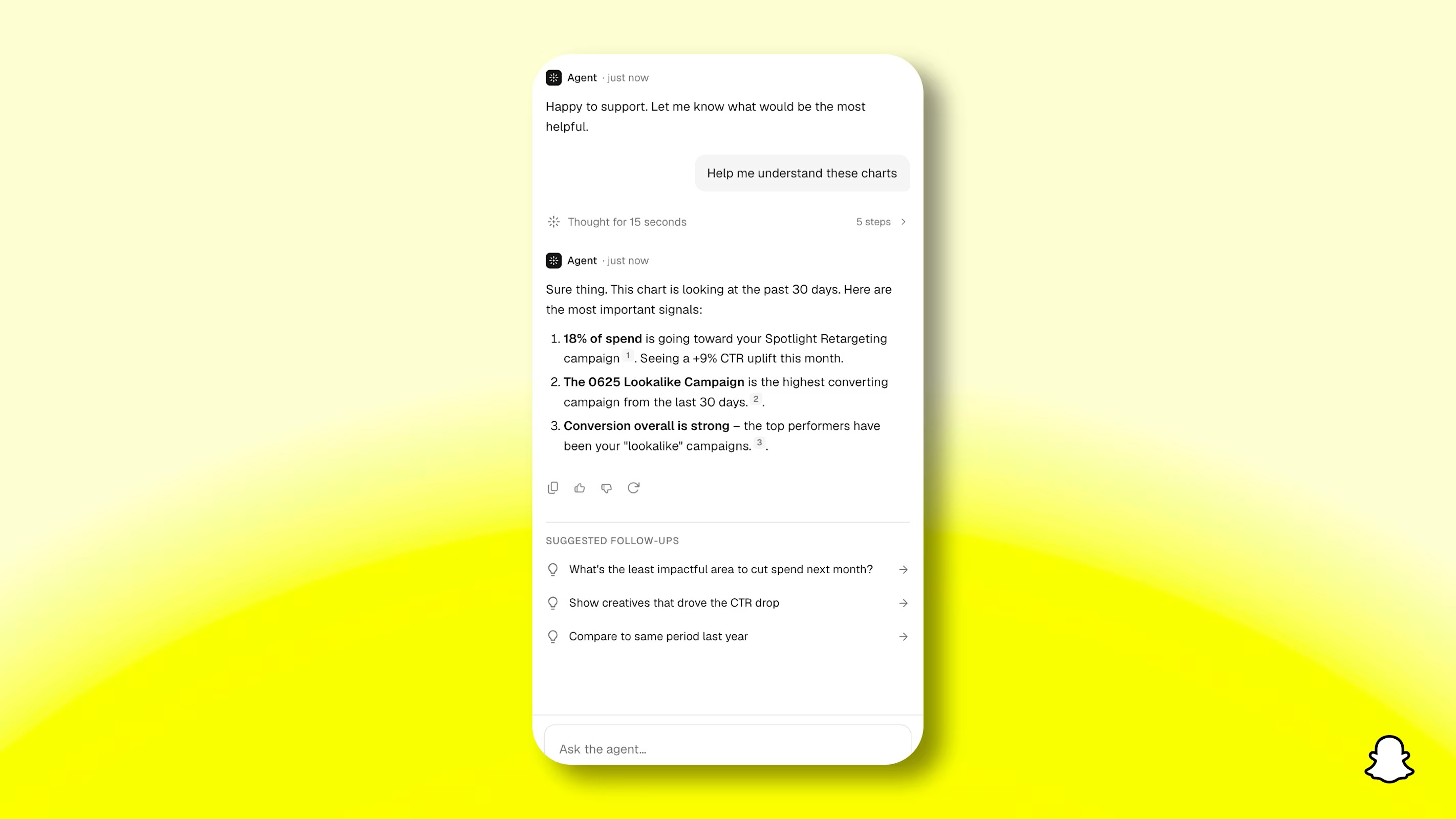
On June 18, Snap introduced a new suite of AI-powered capabilities across its ads stack. The company said the tools are designed to make Snapchat ads feel native to how people communicate, discover and share on the platform. Snap’s official business blog described the update as “Human-First, AI-Enabled” and positioned AI as part of ad creation, targeting and experience design rather than a standalone feature.
Snap’s framing is different from TikTok’s.
TikTok is emphasizing creative scale and commerce pathways. Snap is emphasizing ad formats that fit a communication platform built around camera use, AR and personal interaction. That distinction matters for brands evaluating where video and augmented reality assets belong inside the media mix.
Snap also released new video ad performance research with dentsu. The company said the study examined how ad exposure influenced consumer spending over time, with Snap reporting that a single exposure to a brand’s Commercial on Snapchat led exposed consumers to spend more over the following three months and three years than consumers who were not exposed. Snap’s official research post provides the platform’s source data and context.
That gives media buyers fresh material for evaluating Snapchat’s role beyond short-term reach.
It also puts Snapchat in the same broader race as other platforms: prove that creative formats can connect to measurable commercial outcomes, not just attention metrics.
X Tries to Make Conversion Tracking Less Technical
X’s June update was not as splashy as the AI launches from other platforms, but it addresses a familiar paid media problem: tracking setup.
In a platform article from X, the company outlined new Ads Manager updates tied to campaign setup, troubleshooting and measurement reliability. The most important piece for advertisers is Google Tag Manager integration, which allows marketers to set up X Pixel and Conversion API tracking through a guided workflow rather than relying on heavier developer support.
That matters because measurement friction affects budget decisions.
Platforms can offer strong ad formats, but advertisers are less likely to scale campaigns when conversion data is difficult to deploy, debug or trust. By connecting X Ads Manager more closely with Google Tag Manager, X is trying to make its performance infrastructure easier to include in a broader paid media stack.
The update also fits a larger industry shift toward cleaner conversion diagnostics. As more platforms rely on server-side events, conversion APIs and privacy-aware measurement, marketers need faster ways to identify missing, duplicated or unhealthy event signals. TechWyse has tracked similar measurement and automation moves across paid platforms, including Microsoft’s recent AI Max and agentic web advertising tools.
X’s update is more operational than strategic on the surface.
But operational changes are often what determine whether a channel earns a larger test budget.
The Practical Shift for Social Media Marketing Teams
The June updates point to a more automated social media marketing environment, but not a simpler one.
Meta is expanding how off-site signals shape user experiences. TikTok is compressing campaign setup, creative production and AI analysis. LinkedIn is giving B2B marketers more brand controls, targeting signals and reach diagnostics. Pinterest is connecting visual discovery more directly to storefronts and AI shopping tools. Snapchat is building AI deeper into ad creation and video performance storytelling. X is making conversion tracking less dependent on developers.
For marketers, the practical work becomes more operational.
Tracking needs to be cleaner. Creative libraries need stronger naming, approvals and version control. Product feeds need to be accurate. Creator partnerships need to be measurable. AI advertising tools need brand guardrails, not blind trust.
The platforms are reducing some manual work, but they are also raising the cost of weak inputs. A messy event setup, thin creative library or inconsistent product catalogue will not become stronger just because an AI tool can process it faster.
That is the real story from June.
Social platforms are building systems that can recommend, generate, personalize, shop and measure at a larger scale. The quality of the output still depends on the quality of the signals marketers give them.