
Social platforms are taking on more of the work around a campaign. September brought tools for managing business accounts, interpreting performance and reaching shoppers, alongside changes to how people comment, connect and establish credibility.
The releases vary considerably in scope. Some are available globally; others remain tests, subscription benefits or invitation-only programmes. That distinction matters as marketers prepare their fourth-quarter campaigns.
Meta Expands AI Marketing Tools and Paid Business Features
Meta’s September 15 introduction of Meta One brings professional features and expanded AI usage into subscription plans for businesses and creators.
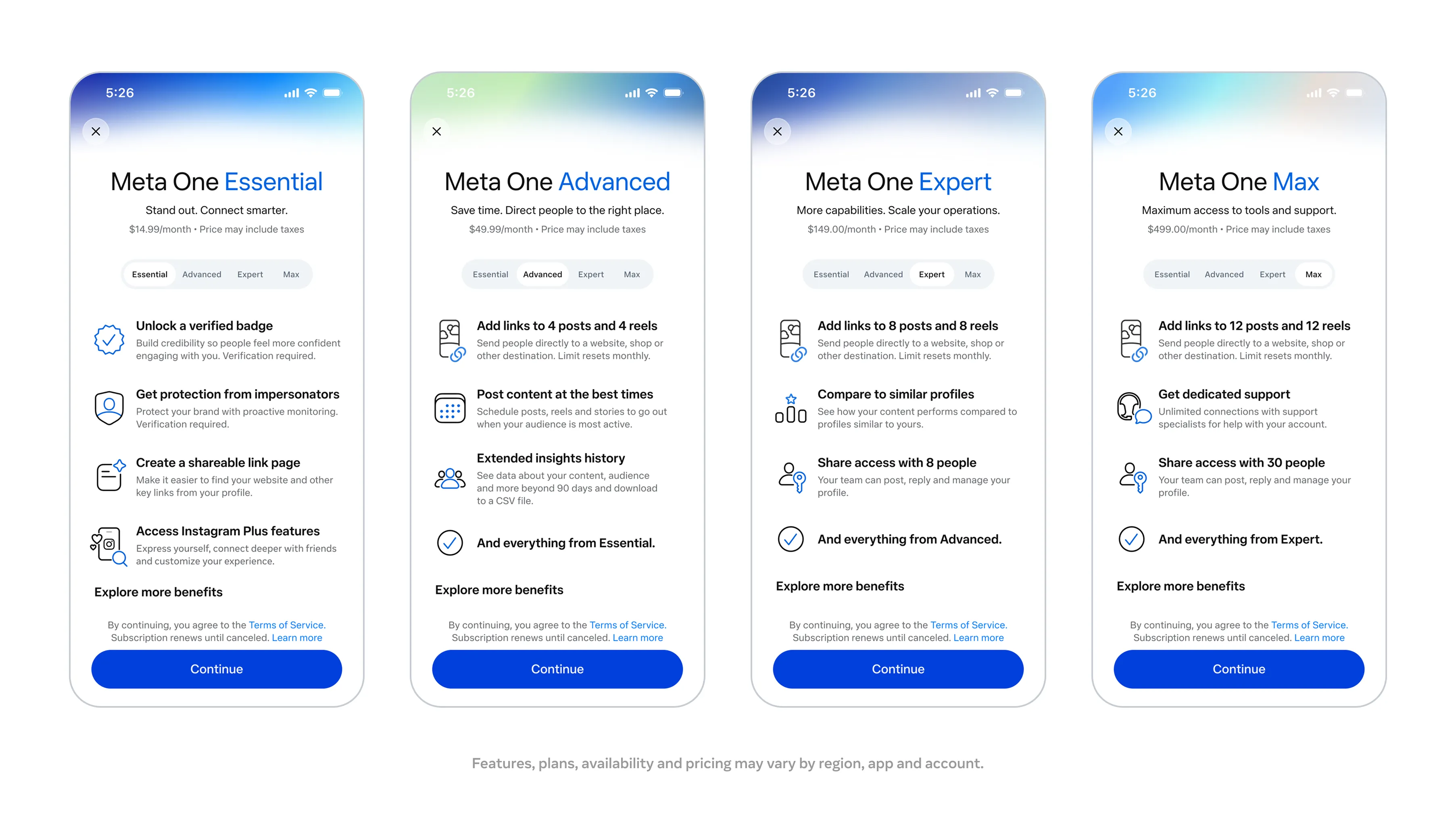
The business tiers include Essential, Advanced, Expert and Max. Depending on the plan, features include verification, impersonation protection, enhanced profiles, publishing tools, analytics and additional Meta Business Agent capacity. Advanced features include scheduling Stories, links in organic posts and Reels, and account access for colleagues without sharing passwords. Benefits and availability vary by region, app and account.
On September 29, Muse for Small Business extended Meta’s personal AI agent with business connectors. It can work with Facebook Pages, Instagram professional analytics and advertising accounts, alongside services including Klaviyo, Shopify, Canva and QuickBooks.
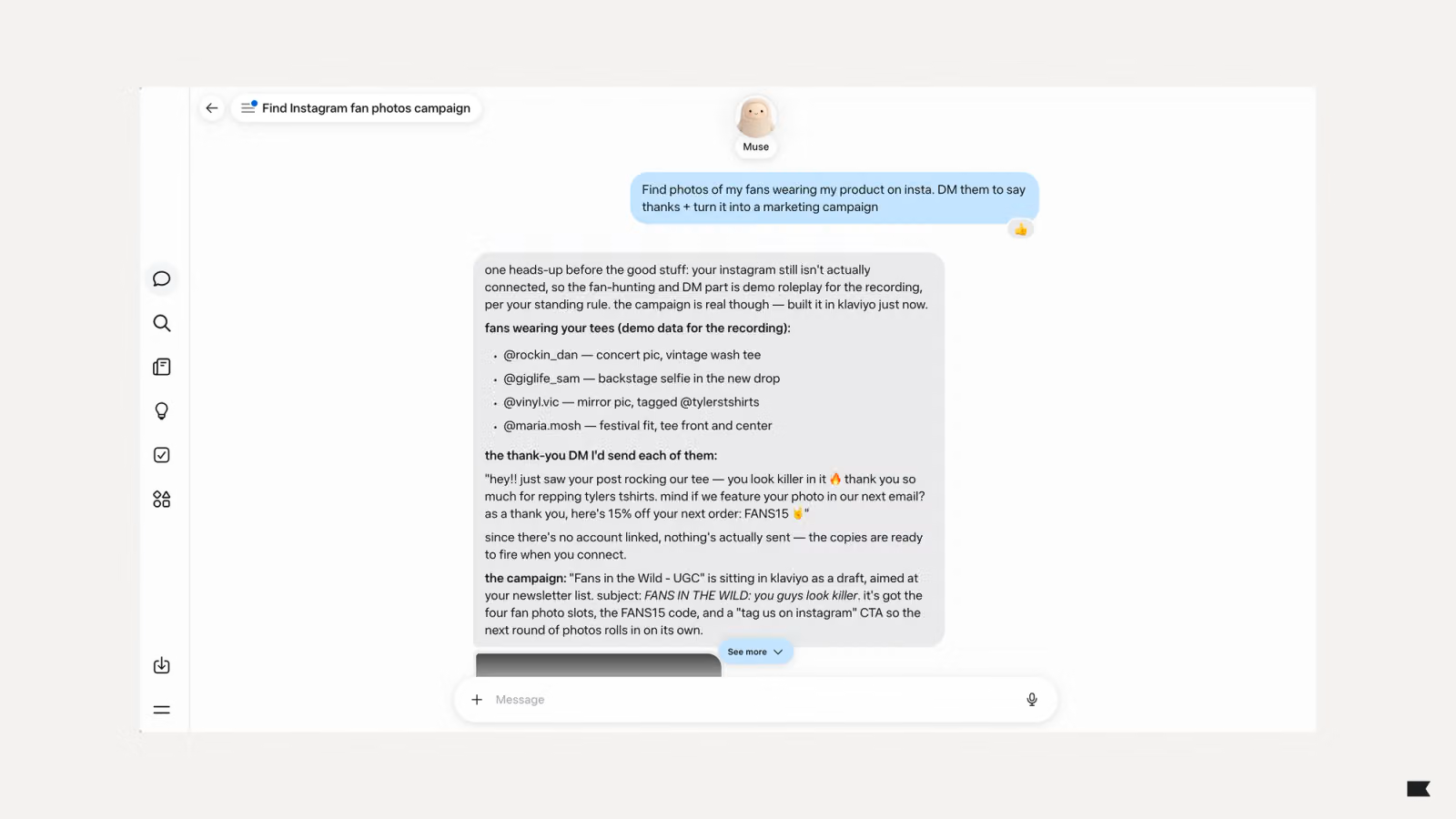
This builds on the expansion of conversational analysis around Meta Ads. Meta says Muse requires approval before publishing, sending or spending.
Meta’s supplied 2026 Holiday Insights Center belongs alongside these updates as a seasonal planning resource, rather than a confirmed September product launch.
Community Notes also entered a new testing phase. The Oversight Board’s September 10 statement confirmed planned testing in 16 Latin American countries and urged country-specific risk assessments before implementation. It cautioned against treating Community Notes as a direct replacement for professional fact-checking. This is a content-context development, not an announced change to advertising placements.
TikTok Gives Comments More Formats and Agencies a New Tier
TikTok’s September 4 comment updates make conversations beneath videos more varied.
Voice Comments support recordings of up to 60 seconds, with a global rollout over the following month for accounts aged 18 and older. Comment Polls allow creators to offer up to five choices when commenting on their own videos.
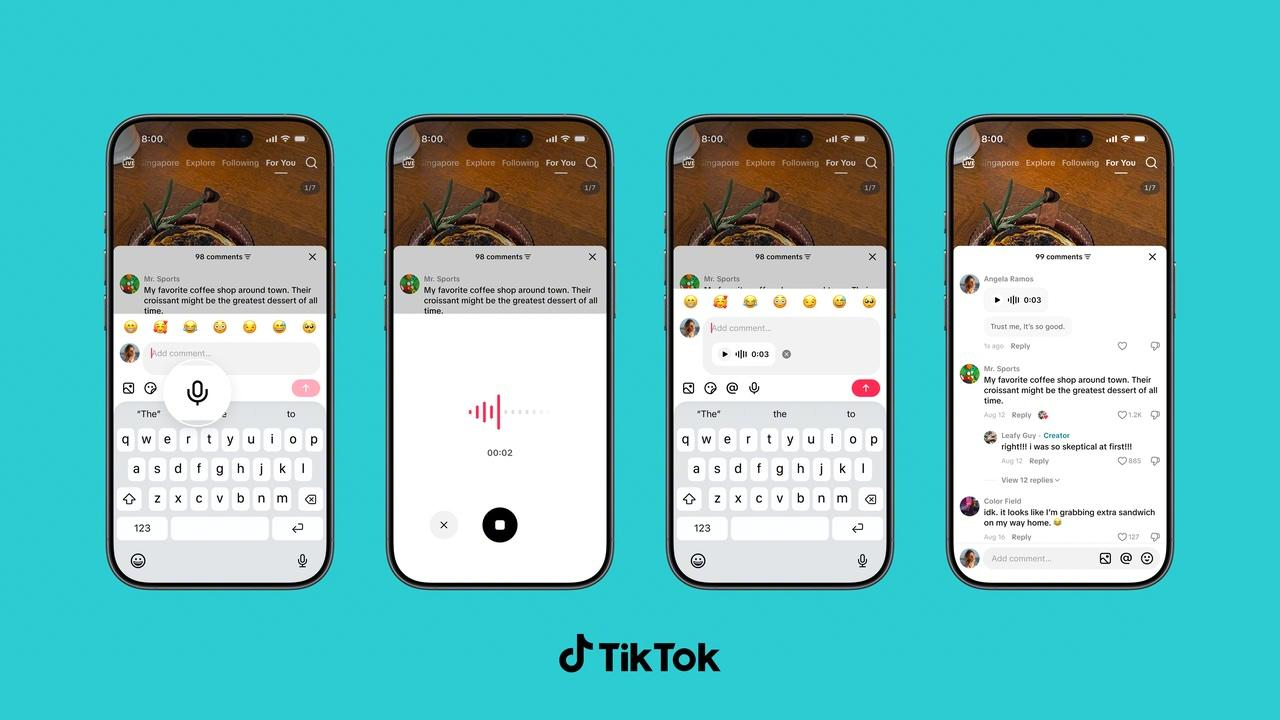
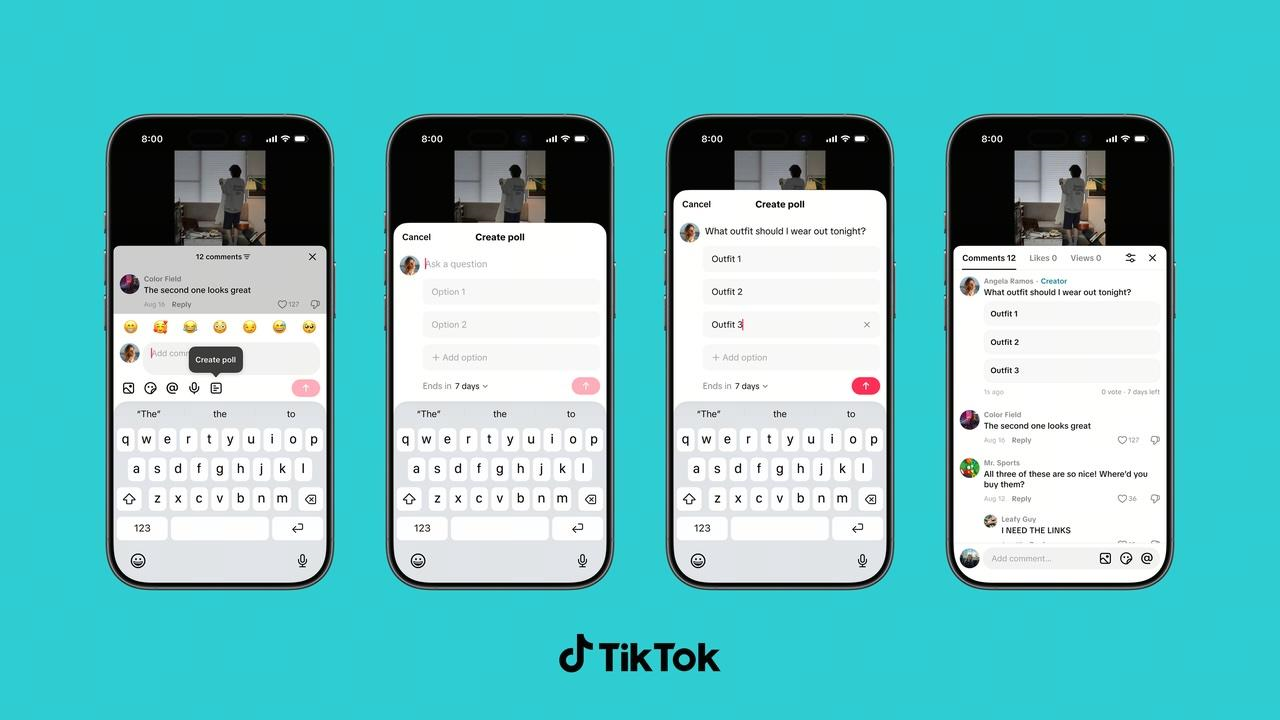
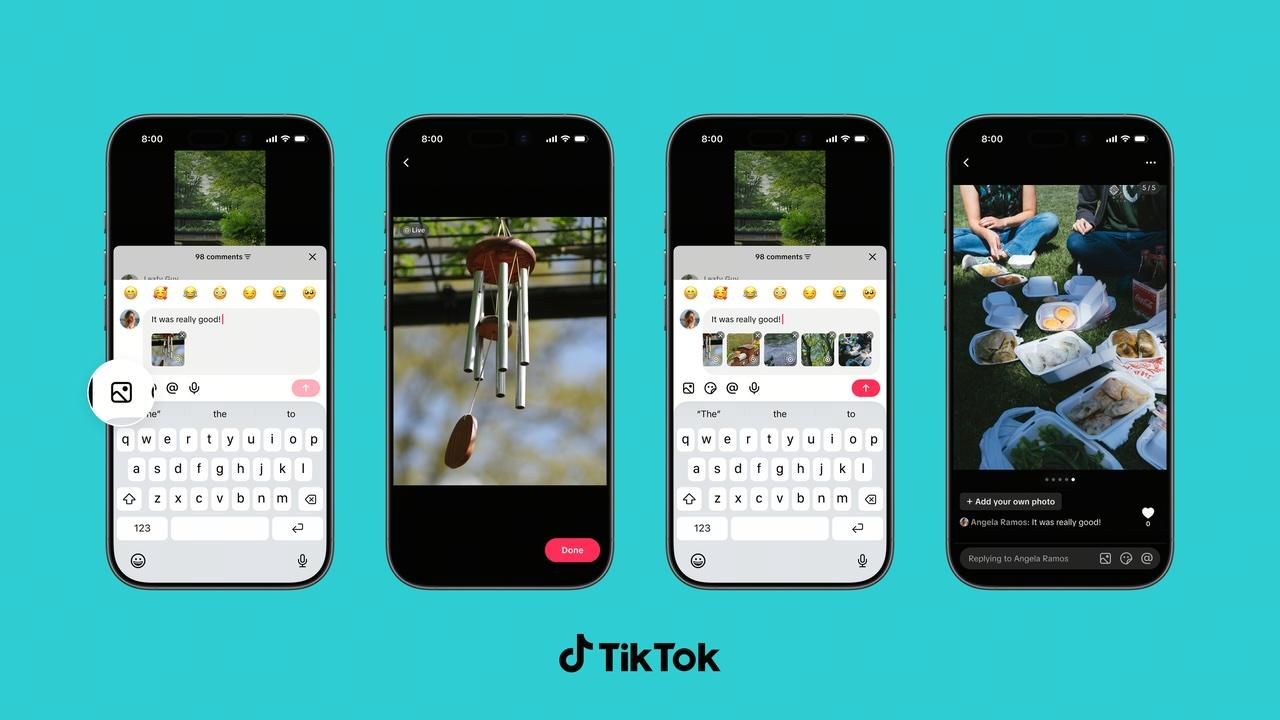
Photo Carousel Comments support up to nine images. TikTok said those were rolling out globally, while Comment Polls and Live Photo Comments were already globally available.
For community managers, the comment section now accommodates audio responses, visual contributions and structured feedback within the same discussion.
Separately, TikTok introduced Premier Agency Partners on September 16. The designation adds a second tier above its established Agency Partner badge, recognizing selected agencies for platform expertise, investment scale and performance.
 |
 |
The announcement does not establish that any particular agency holds that status. TikTok directs advertisers to its partner directory to check recognized agencies.
Snapchat and Pinterest Ads Add More Routes to Purchase
Snapchat’s September 10 Commerce Power Pack combines new placements with additional optimization options.
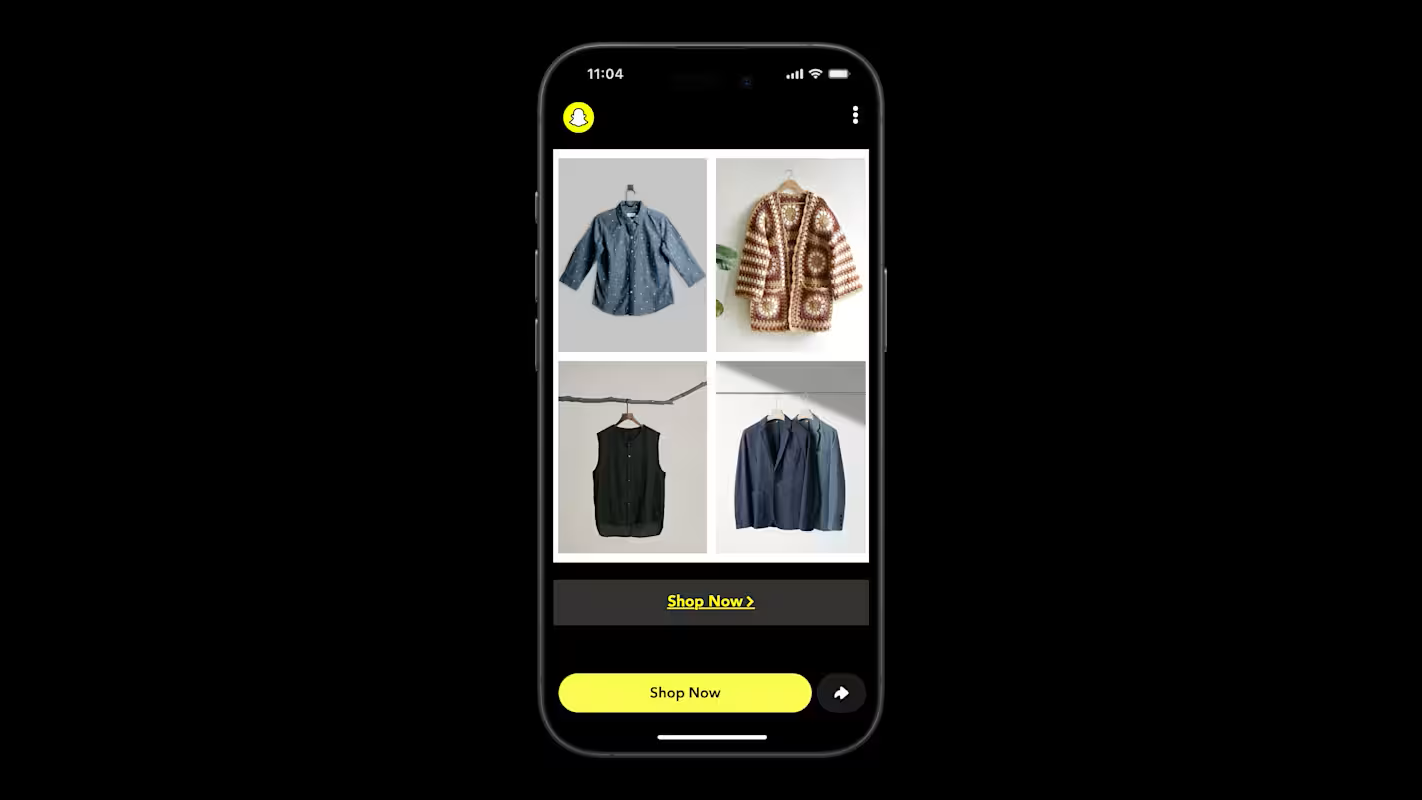
Dynamic Product Ads for Sponsored Snaps bring catalogue-based advertising into Chat and are available to global advertisers. Other components have narrower access: Value Optimization is in beta, Third-Party Web Optimization is in open beta, and Omnichannel Optimization remains in alpha testing.
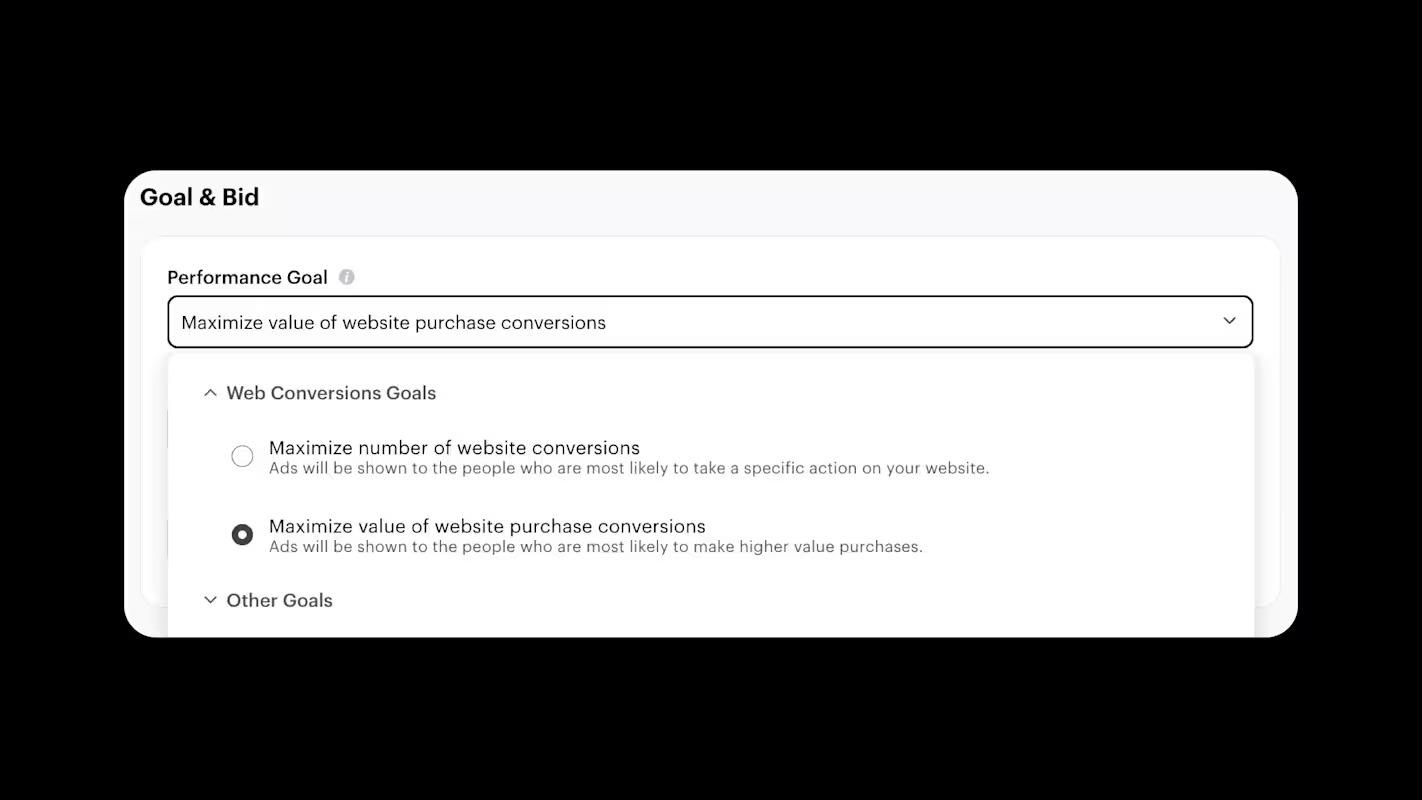
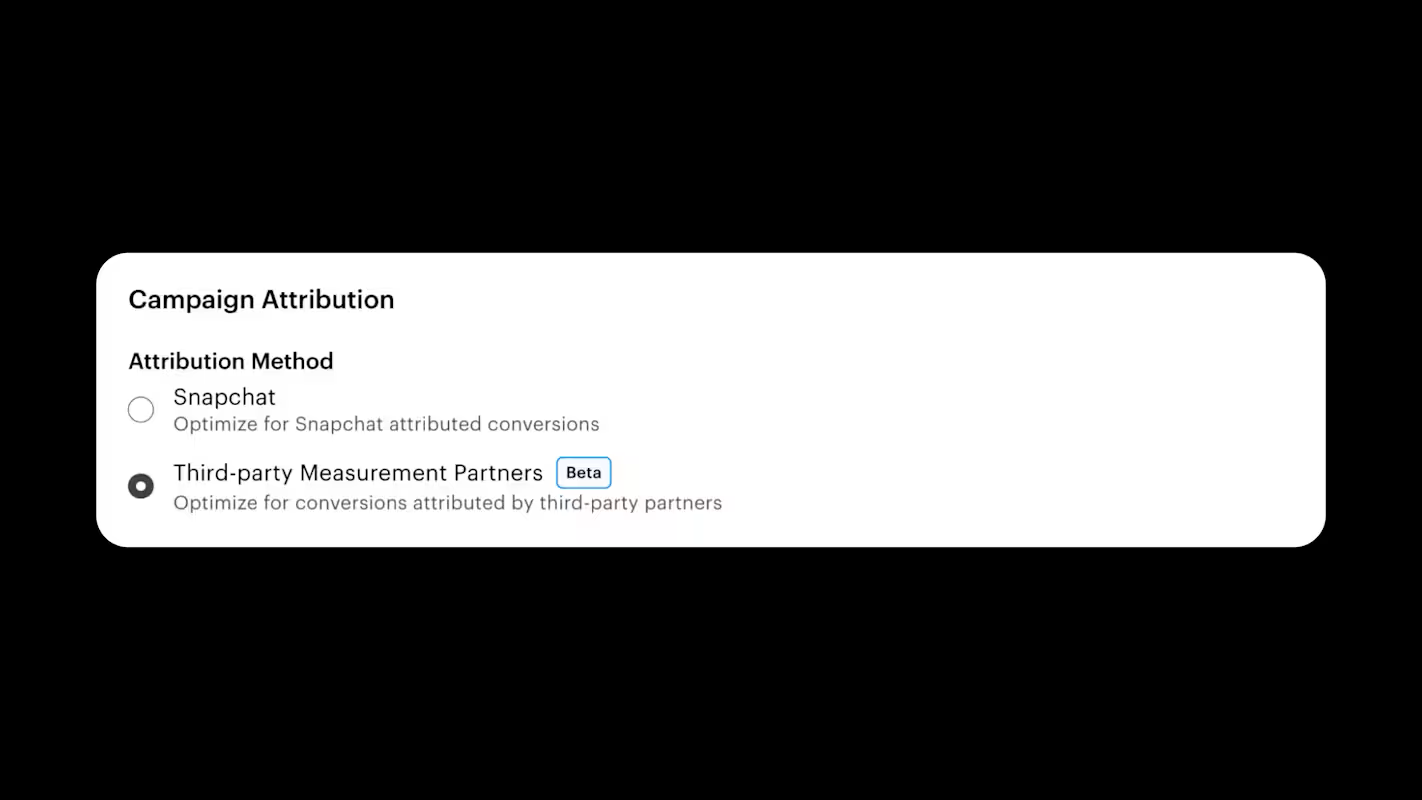
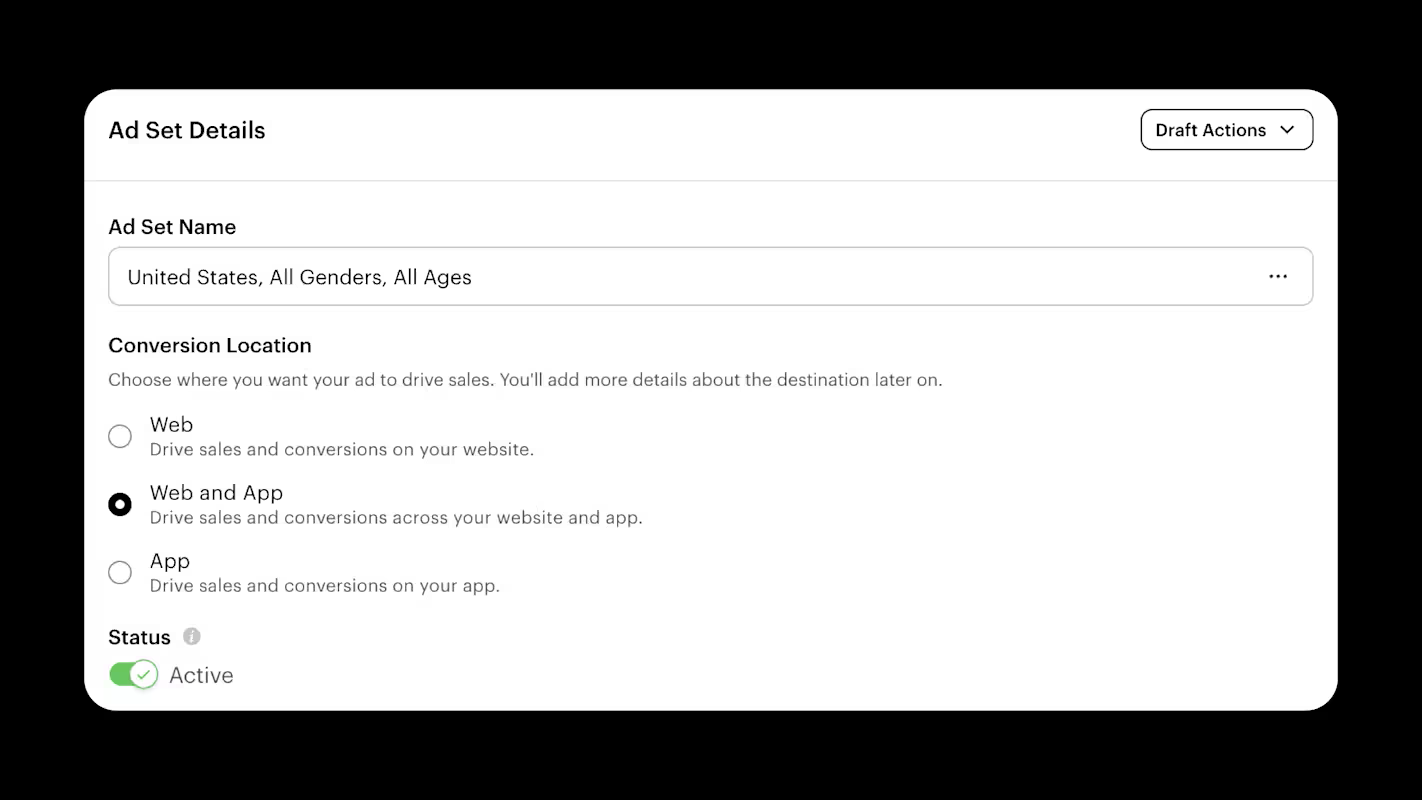
These tools address different questions: where products appear, which purchase outcomes campaigns pursue, and whether conversions occur on websites or in apps.
Snap’s September 21 Lens+ announcement is a separate consumer subscription update. Features include turning chat messages into songs, adjusting photos, remixing Snaps and stickers, and generating stylized captions. It does not announce a new brand-facing Lens builder or establish lower AR advertising production costs.
Pinterest’s September 17 Visual Search Ads announcement places ads in Search Results and Pin closeups. Advertisers can bid for a prominent response and send people to their websites.

The new Pinterest ads format supports lower-funnel objectives and Performance+, with beta availability planned for eligible advertisers across Pinterest’s advertising markets. Its scope extends beyond the camera-based Lens experience.
Pinterest’s simplified objectives documentation also separates non-transactional Leads campaigns from transactional Sales campaigns. Existing Conversions and Catalog sales campaigns remain editable until April 30, 2027, after which they will be archived.
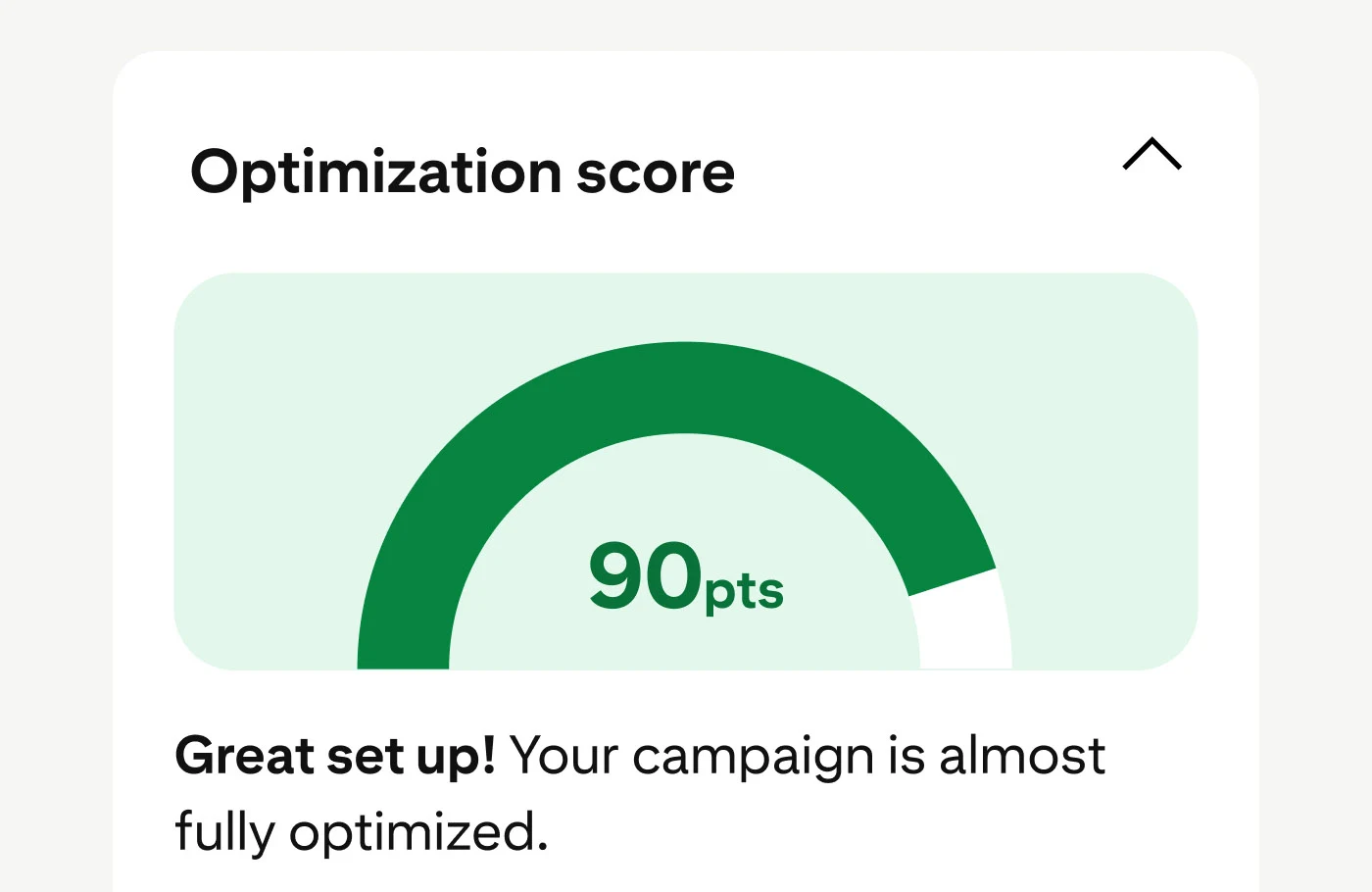
Its September 21 holiday optimization guide centres on a campaign optimization score covering setup, creative mix and signal strength. That score reflects alignment with Pinterest’s recommendations; it is not a guarantee of campaign returns.
X Tests Template Rewards With Strict Eligibility Limits
X’s Grok Bot Template Rewards pilot rewards selected creators whose templates attract usage.
Participation is invitation-only and restricted to eligible adults in supported U.S. locations. Participants need qualifying accounts and subscriptions, plus X Money onboarding. Payments are discretionary, rather than guaranteed income or a revenue share.
Promotional posts must carry a paid partnership label. X explicitly says rewards are not based on post impressions or likes.
The platform’s Chat documentation describes encrypted messaging, eligibility rules and subscription-based limits on message requests. Requests remain unencrypted until accepted.
For marketers evaluating messaging workflows, that acceptance boundary matters. The documentation describes communication capabilities; it does not establish a new customer-service integration or unrestricted outreach channel.
LinkedIn Separates Feed Discovery From Professional Trust
LinkedIn’s feed experiment is more specific than a redesigned posting box. In his product update, Hari Srinivasan describes a Network tab for connections and followed accounts, alongside a For You tab for broader discovery.
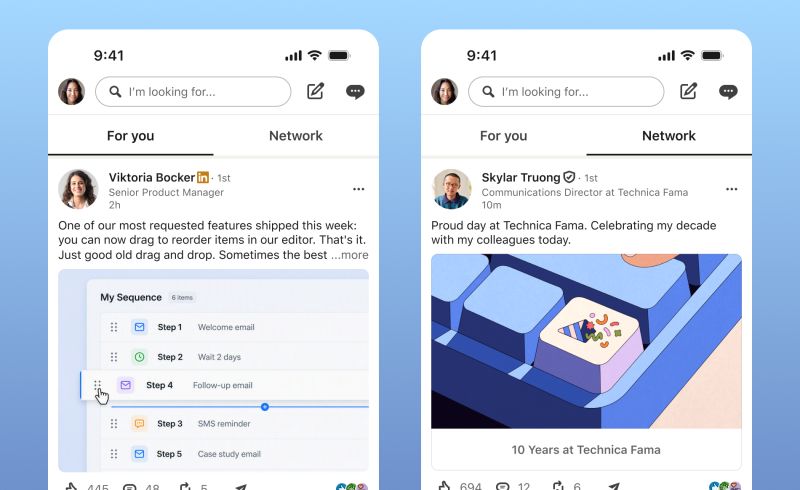
The announcement does not confirm a ranking advantage for particular post formats.
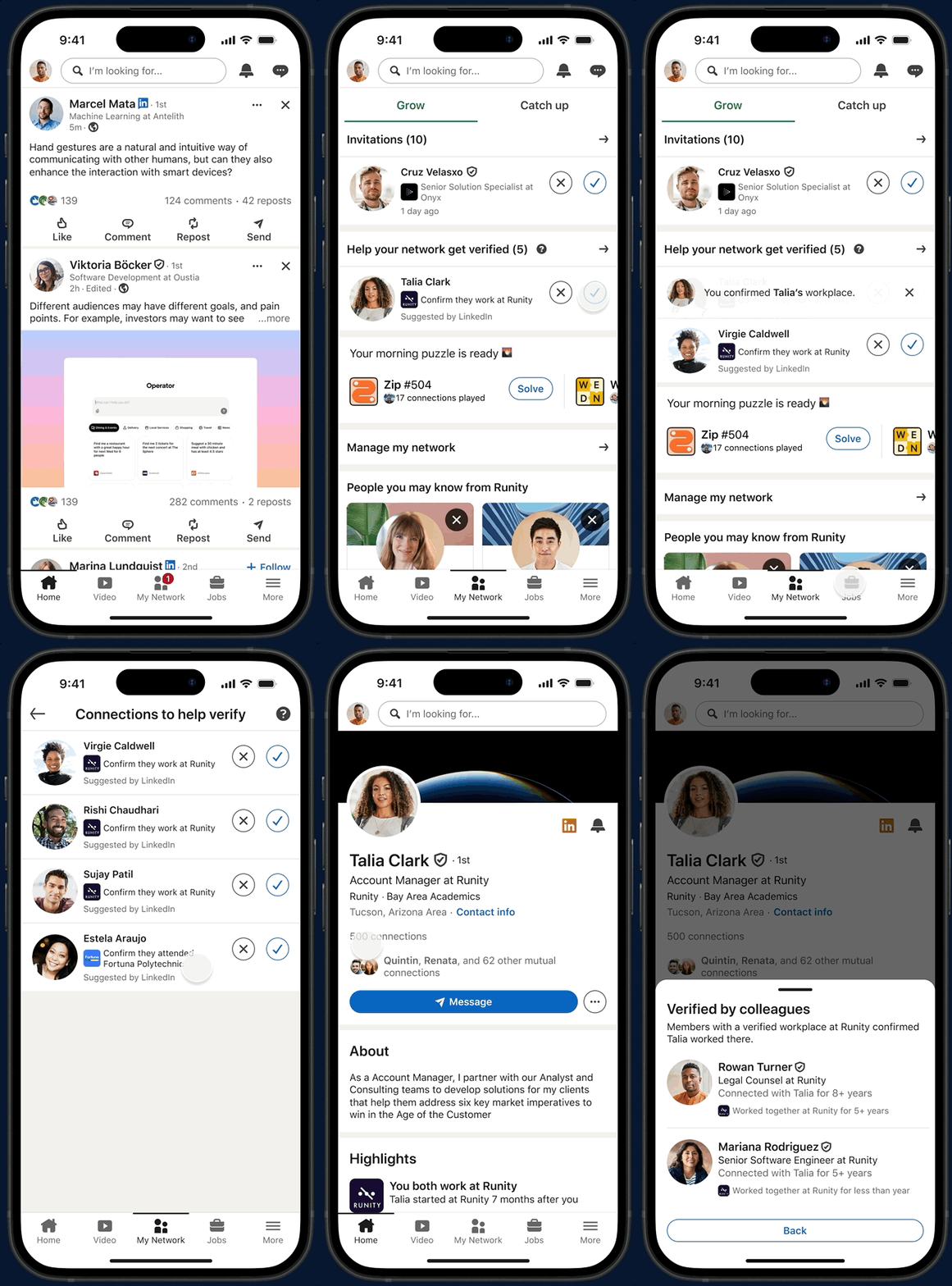
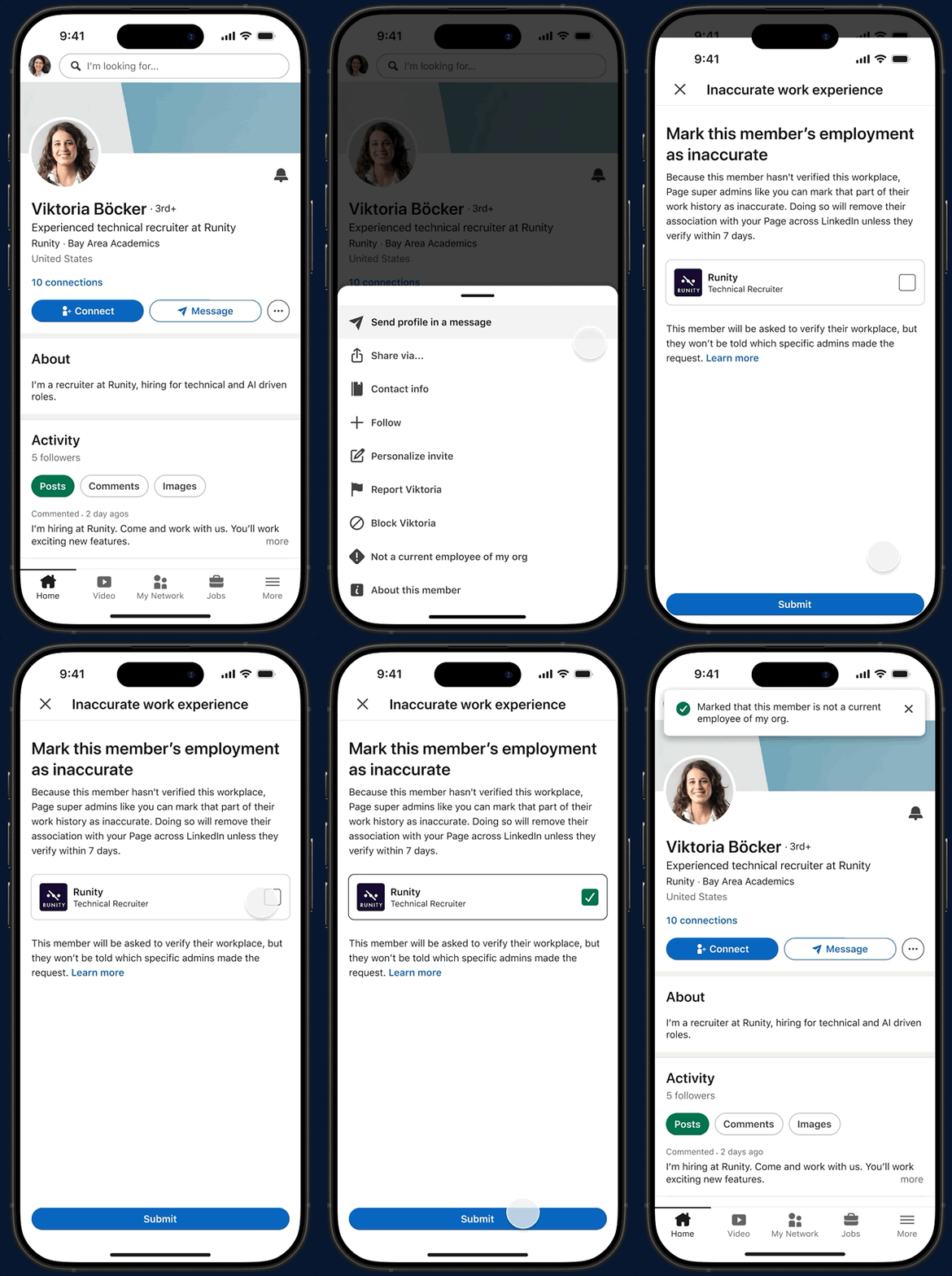
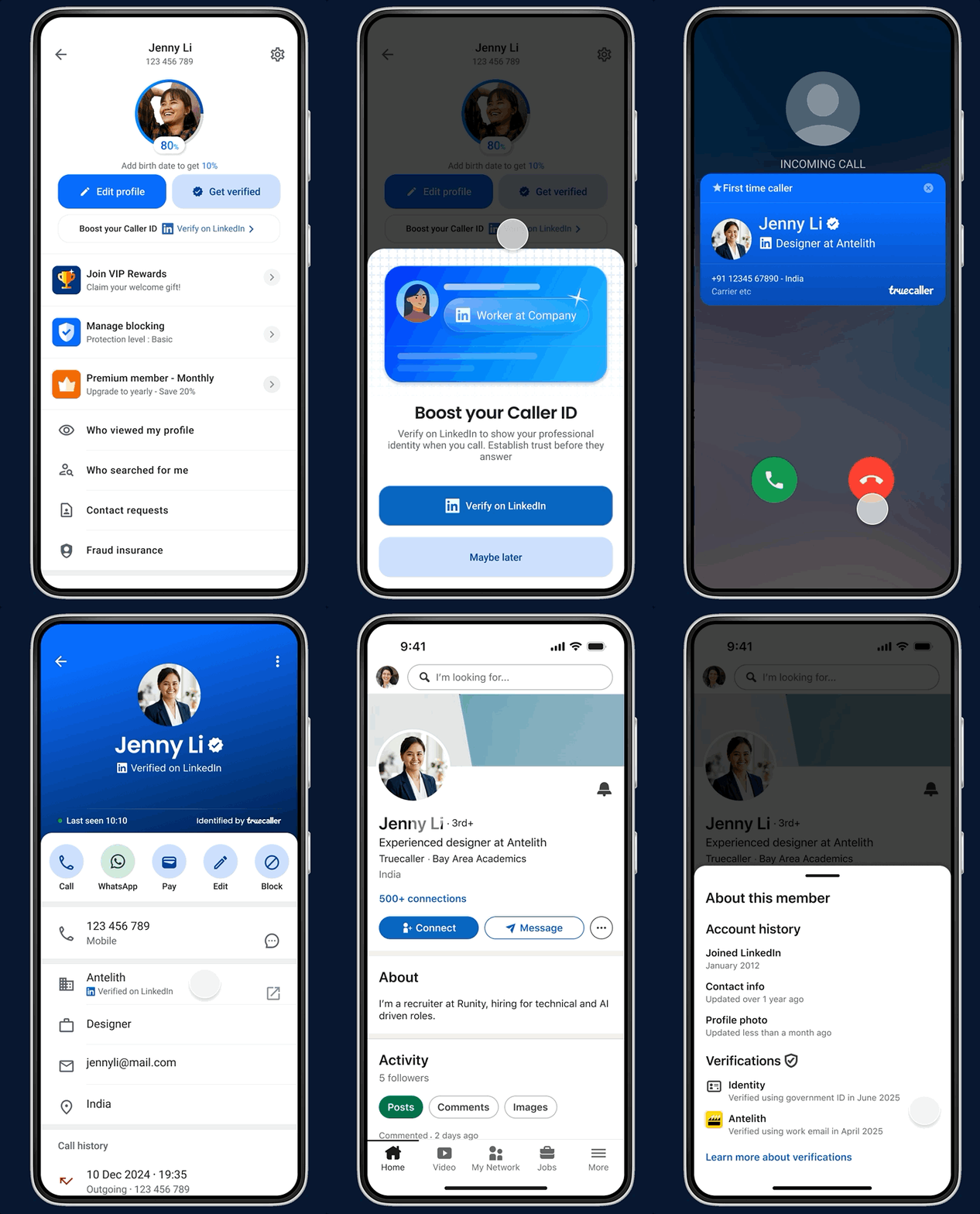
LinkedIn is also expanding verification, including a test in which verified members confirm shared workplace or educational experience. Verified company Page administrators can remove known imposters from employee-associated search results, while selected companies are testing workplace-verification requirements.
For marketing teams, these releases create separate evaluation tasks: confirm feature access, review permissions, preserve campaign measurement and distinguish platform recommendations from demonstrated business results. The expanding range of AI marketing tools makes those checks part of ordinary campaign management.
LinkedIn’s September 2 Gen Z research adds audience context. Among surveyed B2B marketers, 89% said future growth depends on influencing younger decision-makers, including Gen Z and Millennials. Short-form and immersive video and expert-led content were prominent choices for engaging Gen Z.
Those findings describe marketers’ assessments. The research drew on separate surveys of 18,050 professionals and 6,196 B2B marketers, conducted during July and August 2026.