As of 2025, ecommerce accounted for 23% of retail sales worldwide, with a strong tendency toward growth over the next five years. And while brick-and-mortar retail is still going strong, it cannot be denied that the internet has taken over a critical role in shaping the typical buyer’s journey.
Consumers increasingly discover brands and products through search engines, social media, brand websites, and AI. Some retail websites have even become so commonplace (like Amazon, for instance) that they’ve become the first place people search when they need a new solution to a pain point.
With this in mind, it’s only natural that the key to your business’s success lies in creating an appealing digital presence that effectively engages new leads and guides them into your sales funnel. And an aesthetically appealing, user-friendly website is an irreplaceable part of reaching these goals.
But what types of website design still work in the age of digital retail? And are there any practices that brands should leave in the past?
This guide looks at some of the most prominent website design trends marketers should be paying attention to in 2026, along with a few tips for adopting these creative styles in your online presence.
1. Clarity-First Design
When landing on a site for the first time, web visitors form brand impressions within an extremely short time frame. In general, they take a single look at the page, assess its aesthetic appeal and usability, and instantly rate its relevance for resolving their pain points. A positive first impression will automatically elevate visitor interest in what a brand has to say. A negative one, however, will inevitably end in a bounce.
While data suggest that investing in aesthetically appealing, highly user-friendly design is key to creating a conversion-inspiring web presence, it also reveals that the most important feature of a website that sells is clarity. So, while it’s not necessarily a new trend, clarity-first design definitely is a practice you should be paying attention to in 2026.
The best way to achieve clarity-first design is to make it easy for your target audience to discover your value propositions immediately as they land on your website. Furthermore, use design elements to make complex solutions more approachable—even to non-expert leads.
Clear communication practices, intuitive (non-overwhelming) information architecture, and ample negative space can make even the most complex products and services easy to understand (and therefore more relevant to web visitors).
CapitalPad is an excellent example of a brand that uses clarity-first design for its website. If you take a look at its homepage, you’ll find that it prominently features several web design elements aimed at boosting product comprehension without causing cognitive overwhelm. The first of these is the brand’s primary value proposition, visually emphasized with a large typeface and ample negative space. Secondly, the ‘explanation’ copy clarifies what the business does in approachable, non-jargon terms. Finally, the bottom line of text presents prospects with important information about what the company does, including data regarding minimums and fees.

Source: capitalpad.com
2. Trust-First Design
One of the most consistent characteristics of web consumer behaviour over the past five years is shoppers’ absolute insistence on verifying a brand’s credibility before committing to a purchase.
According to the latest data from Edelman, nine-in-ten shoppers want to buy from brands that offer high-quality products, good value for money, and trustworthiness. Yet, it appears that 45% of businesses aren’t successful in earning customer trust (nor proving their relevance). This suggests that trust-first design isn’t just an effective method to boost conversions in 2026. It’s a web design trend that marketers can’t ignore if they want to drive positive shopping outcomes.
What’s great about trust-first design strategies is that they easily integrate into existing websites through credibility signals, transparent messaging, and user reassurance throughout the buyer’s journey.
Something as simple as integrating social proof or trust badges into your web design can be more than sufficient to earn customer confidence.
Of course, the best way to choose aspects of trust-first design to adopt into your online presence is to consider what type of information can build credibility in your industry.
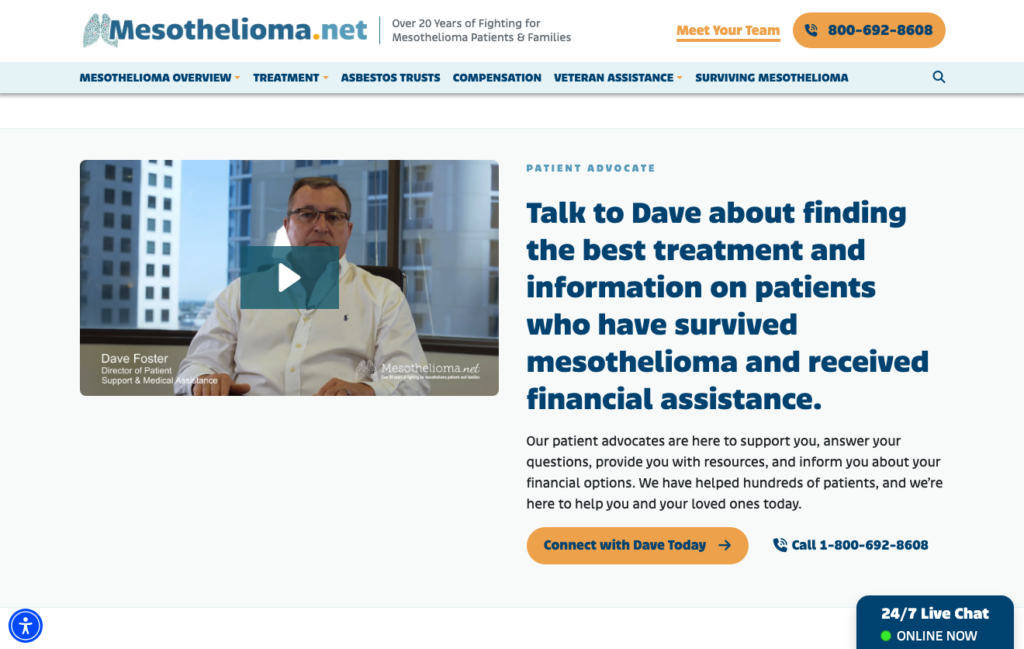
For instance, the Mesothelioma.net website is an excellent example that prioritizes visitor confidence. It establishes organizational trust by emphasizing the company’s history, featuring expert industry voices, and highlighting its association with highly credible organizations in its field. But the best part is that businesses across any industry can use similar trust-building design elements, effectively reducing hesitation and boosting conversion rates.
Source: mesothelioma.net
3. Lifestyle-Led Visual Storytelling
The turbulent economy of the past five years has conditioned consumers to prioritize product quality and value for money when choosing what solutions to purchase. What's more, a strong focus on added value has led to the emergence of the aspirational consumer—a buyer group that 39% of people fall into.
What’s important about aspirational shoppers is that they’re consistently striving for more — both financially and in terms of personal or professional growth. However, when looking for web design trends to engage these buyers and draw them into the sales funnel, it’s important to note that they’re not necessarily just looking for products that can help them achieve their goals. Instead, a growing number of people are prioritizing aspirational experiences.
With this in mind, lifestyle-led visual storytelling is one of the best methods to appeal to consumer segments who want the finer things in life. This strategy employs imagery, web layout, and visual design to sell an experience and aspiration, rather than simply listing available products for shoppers to consider.
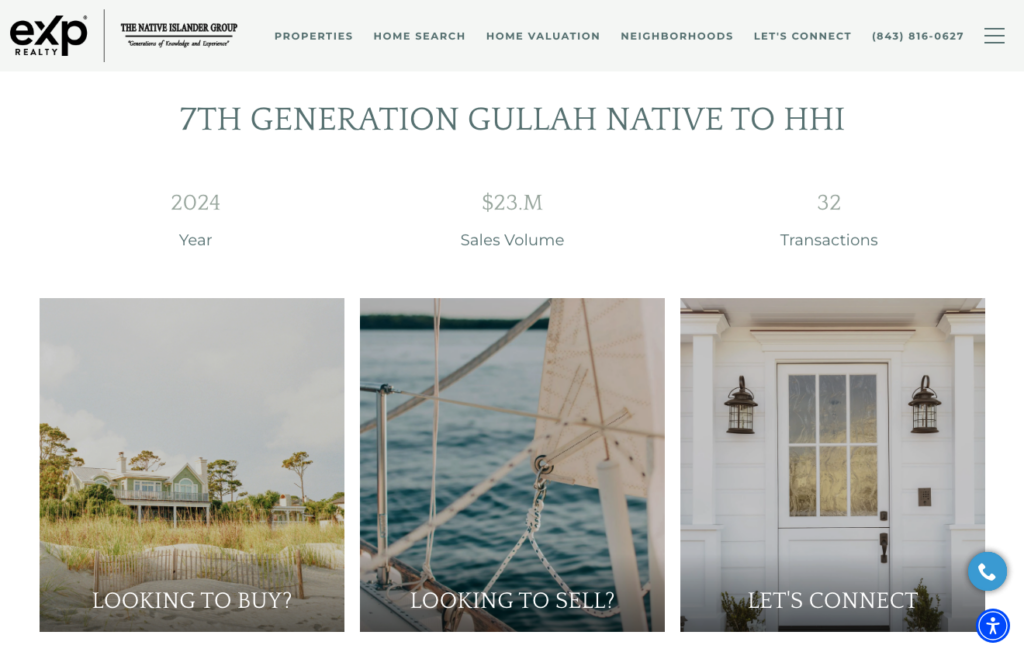
For example, John Sells Hilton Head is an exceptional example of visual storytelling in action. This brand relies heavily on luxury-coded imagery in its web design. On the one hand, the business adopts this approach to attract its target audience — people looking to move to an upscale coastal destination with high-end real estate. On the other hand, the imagery in question allows John Sells Hilton Head to promote properties in the premier luxury destination. The way the business approaches the task isn’t by selling the houses themselves. Instead, it’s by encouraging web visitors to envision the outcomes and lifestyle benefits of buying these properties—a tactic that can easily translate into any other industry.
Source: johnsellshiltonhead.com
4. Personalization-Driven Experiences
When discussing the latest web design trends that can help you appeal to your target audience’s wants and desires, it’s impossible not to mention personalization.
For the longest time, this website design tactic was considered a next-level, user-centric nice-to-have addition to premium websites. In 2026, however, it’s a must for any brand trying to engage and retain its target audience’s attention.
According to research, 81% of consumers will ignore marketing messages that don’t seem relevant to their wants and needs. Moreover, 96% of shoppers are more likely to purchase when they receive personalized offers from brands.
With this in mind, personalization-driven experiences are one of the most prominent website design trends to watch in 2026. Of course, there are multiple ways to incorporate personalization into your web presence.
Simpler tactics—like using geo-targeted pop-ups, using AI for cross-selling, or cookies to improve content suggestions for returning web visitors—are a great start. Nevertheless, if you want to be an industry leader in providing your audience with a fully tailored brand experience, don’t hesitate to explore more advanced personalization opportunities in your web design.
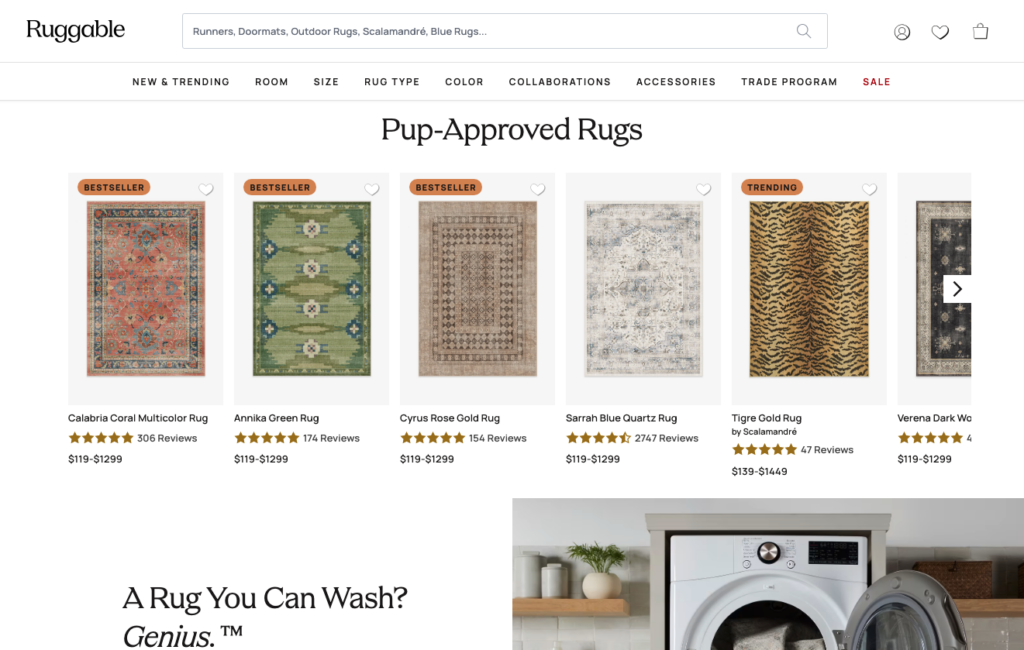
Ruggable is a great business to draw inspiration from. This brand uses personalized landing page experiences, creating on-site destinations that perfectly align with customer interests. The personalization itself is tied to different campaigns. However, what makes the implementation stand out is how the design and wording zoom in on highly specific user needs (relevant to the segment in question), creating the perfect setting for web visitors to recognize that Ruggable genuinely does comprehend their pain points and has the solutions to remove them.
Source: ruggable.com
5. Simplified User Journeys
In 2026, the highest-converting websites are prioritizing user-friendliness. So, it’s no surprise that one of the top trends marketers should be paying attention to relates to simplifying user journeys.
In truth, shoppers have become less patient than ever. Most are not willing to deal with friction (in terms of site navigation and content understanding). And many are demanding that businesses provide more convenience through every stage of the customer journey.
In fact, a recent survey conducted by Clutch found that 94% of internet users consider easy website navigation the most important feature when interacting with a site. Moreover, nearly half of all buyers would pay more for a convenient shopping experience, with most being prepared to spend 5% more on a simple, fast, and accessible customer journey.
With this in mind, it comes as no surprise that simplified web design—that streamlines the product discovery and conversion process—is such a prominent trend for 2026.
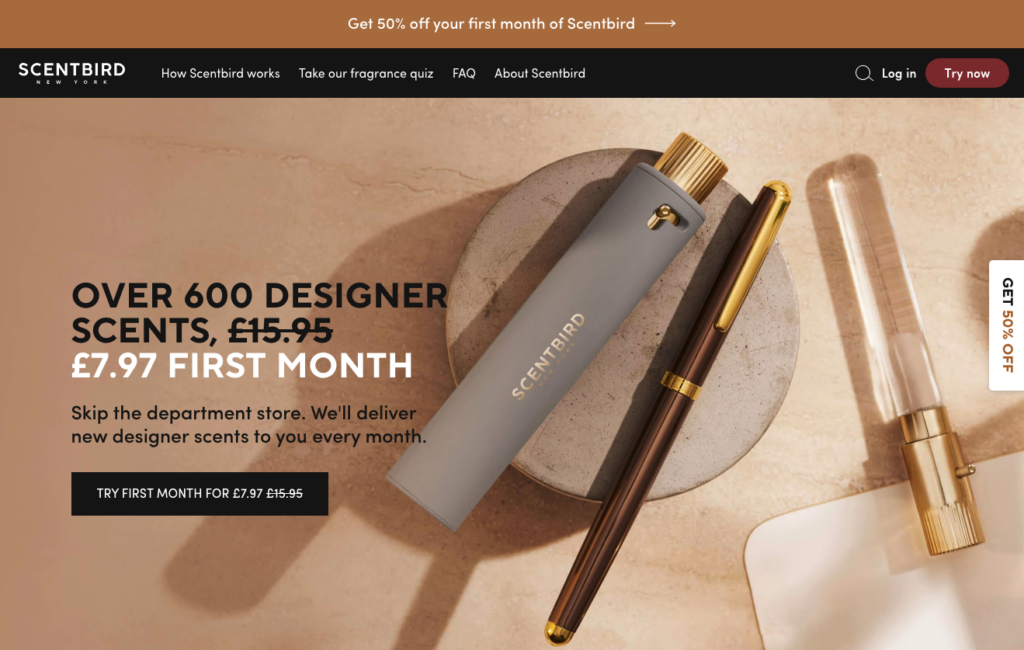
Brands like Scentbird are using user journey simplification to stand out, and they’re doing it impressively well. If you check out this company’s online presence, you’ll find that it’s focused on quickly communicating core product benefits and gently encouraging visitors to move through the sales funnel. The result of this design approach is higher website engagement and retention rates, which automatically translate into better sales outcomes. And the best part is that this web design tactic works equally well in any other industry.
Source: scentbird.com
6. Minimalist Brand Experiences
Simplified, minimalist website design has been one of the more popular choices for brands looking to attract customers. Considering the benefits of minimalism, that’s not much of a surprise.
Research suggests not only that web users prefer predictable, uncluttered digital experiences, but also that excess usually leads to abandonment of the buyer’s journey. According to research from Accenture, shoppers regularly feel overwhelmed by purchase decisions (in practically all product/service categories), with 74% deciding not to complete a purchase due to this frustration.
So, if you want to identify the design trends that could elevate the success of your marketing and sales campaigns, looking toward minimalism could be the solution you need. Do your best to eliminate distractions, focus on clean, easy-to-navigate layouts, and highlight key messages in ways that align with how web users browse web pages.
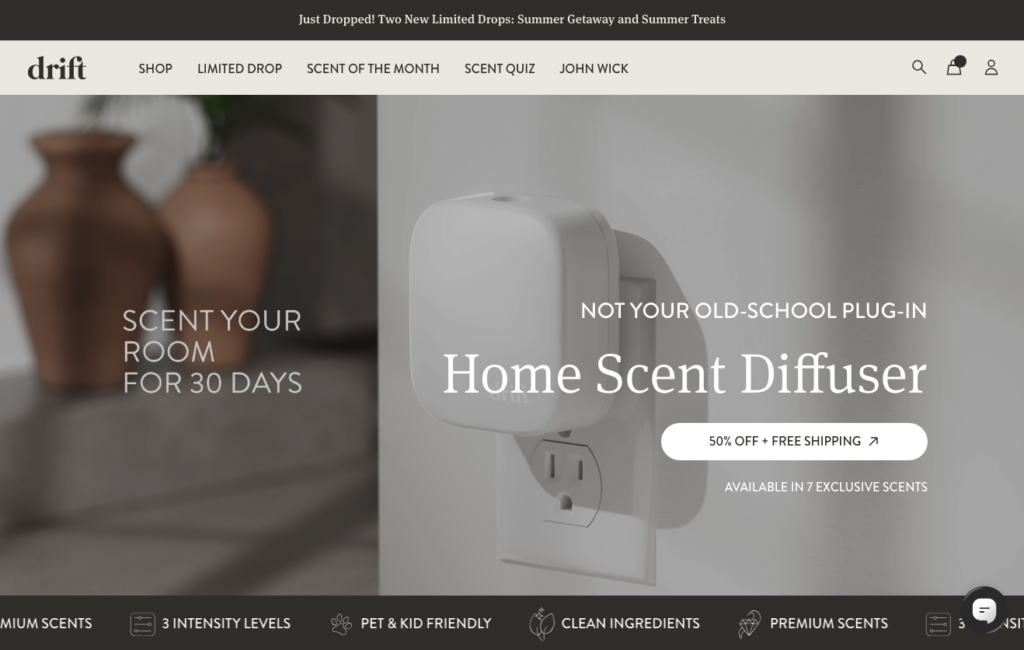
Drift, for instance, is a great example of a brand that uses minimalist design principles without going overboard. By prioritizing simplicity, visual hierarchy, and restrained design choices, this business thoughtfully builds a web browsing experience that strengthens branding, usability, and encourages movement through the buyer’s journey.
Source: drift.co
7. User-Generated Content Experiences
What type of content is most effective at communicating branded sales and trust-building messages? According to research, it’s user-generated content, with Edelman’s latest report showing that 41% of consumers trust non-sponsored buying recommendations.
With this in mind, it should come as little surprise that user-generated content experiences are trending in web design, particularly those that assist shoppers with product evaluation and buyer onboarding.
Customer reviews, testimonials, ratings, and community-driven insights are all highly effective at building brand trust and improving decision-making. But it’s also a good idea to explore non-standard opportunities to build UGC experiences with web design, whether that involves sharing community-built tools or using (non-sensitive) customer data to improve future customer experiences.
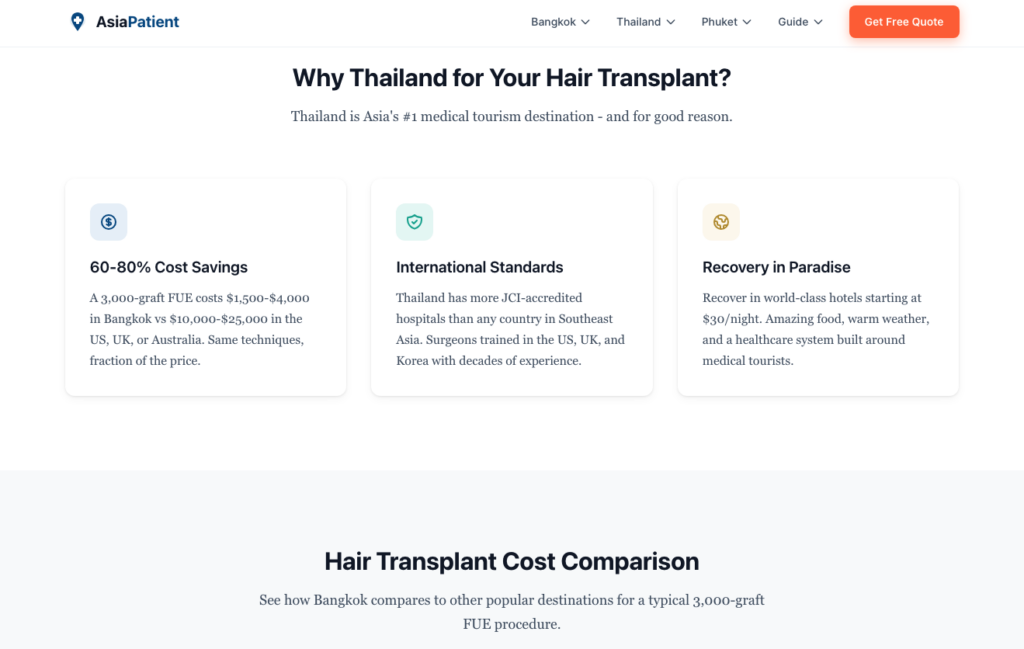
Asia Patient, for instance, does the latter. As it operates in an industry where pre-purchase education and expectation management are crucial to ensuring customer satisfaction, this business bases almost the entirety of its website design on user-contributed information. These data points include customer recovery times, success rates, expenses, and clinic-selection justifications, resulting in a website experience that’s hugely user-centric and, consequently, highly credible (which is essential in AsiaPatient’s industry).
Source: asiapatient.com
8. Accessible-First Design
Lastly, if you want your business’s website to follow the latest web design trends that will surely stick around in 2026 and beyond, accessibility should become your next (non-negotiable) area of focus. In June 2025, the European Accessibility Act went into effect, requiring all websites to comply by 2030. The rest of the world (including the US) is following in its footsteps.
And while there have been incredible advancements in AI and web development that can make accessibility easier to achieve, it’s important to note that most easy solutions don’t ensure compliance. Yes, this means accessibility overlay widgets, too.
So, is there a better way to ensure a pleasant browsing experience for all web visitors going forward? Well, accessibility-first design could be the answer. As an approach that aligns with WCAG from the beginning, this type of design prioritizes simplicity, clarity, optimized content & UI elements, high readability scores, and limited visual overload.
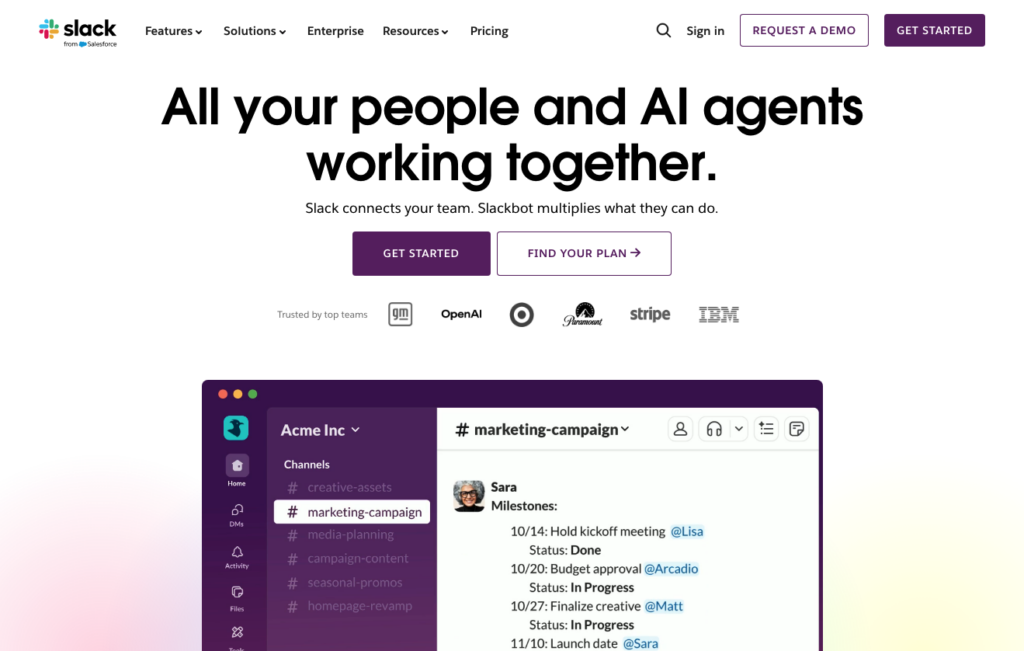
The Slack website, for instance, is a great example of a website that implements accessibility-first design, with a clear visual hierarchy, reduced informational overload, simple navigation (including keyboard operability), high screen reader compatibility, and sufficiently large touch targets.
Source: slack.com
Final Thoughts
Web design trends can come and go. But this year, the design directions getting the most traction seem to be those that focus on the users. They’re not just worth paying attention to. In a couple of years, they could become crucial for ensuring website compliance, user-friendliness, or even just engaging leads in the first place.
So, the design tips covered in this guide aren’t just something you should consider implementing into your online presence to improve site performance. Instead, they’re key design tactics to begin integrating in 2026, seeing as they’re more or less guaranteed to become the norm in the coming years.
For the latest digital marketing news, check out our blog. To book an appointment, call 866-208-3095 or contact us here.