
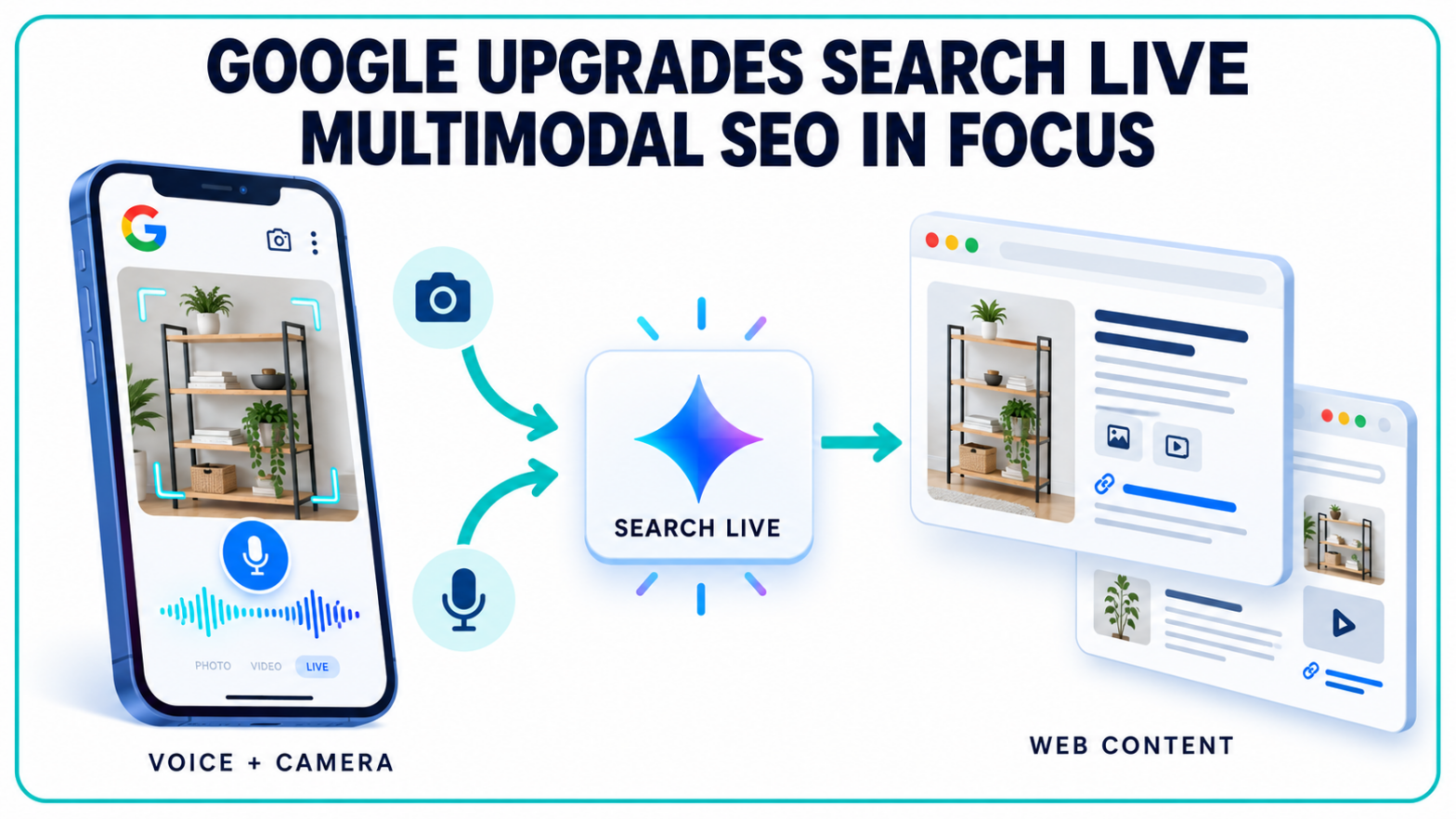
A search can begin with a camera pointed at a problem. Google is upgrading the model that helps turn that view, and a spoken question, into an answer.
Gemini 3.8 Live began rolling out to Search Live on September 15, according to Google’s model announcement. The release brings updated conversational and visual processing capabilities to a search experience that already accepts voice and live camera input.
For website owners, the development raises a specific question: how does content remain discoverable when users can show Google what they need instead of describing it in a search box?
New Gemini audio models just dropped – 3.8 Live is now powering real-time conversations in Search Live. You’ll get: - More helpful responses, complete with web links to dive deeper - Fluid multilingual support (you can switch languages mid convo) - More natural, free-flowing interactions Available now for everyone globally!
— Rajan Patel (@rajanpatel) September 15, 2026
Search Live Already Had a Global Camera Audience

The September release builds on an established product. Google expanded Search Live to more than 200 countries and territories in March, with voice and camera conversations available wherever AI Mode was supported. That expansion used Gemini 3.1 Flash Live.
Google’s global Search Live announcement described situations where typing offers an incomplete way to explain a task. Its example involved installing a shelving unit: users could show their surroundings, ask questions and receive spoken assistance alongside links to web information.
The latest Google Search Live rollout therefore upgrades an existing route into Search. Camera-based conversations were available before Gemini 3.8 arrived.
That history matters when assessing the announcement’s scope. September 15 marks the start of a model rollout within the service, rather than the first availability of live video search. Google’s earlier expansion had already put the interface in front of an international audience using the Google app on Android and iOS.
Gemini 3.8 Live Adds Near Real-Time Visual Processing
Google says Gemini 3.8 Live processes visual input in near real time and can switch between 97 supported languages during a conversation. The model also supports background tool and API calls while dialogue continues.
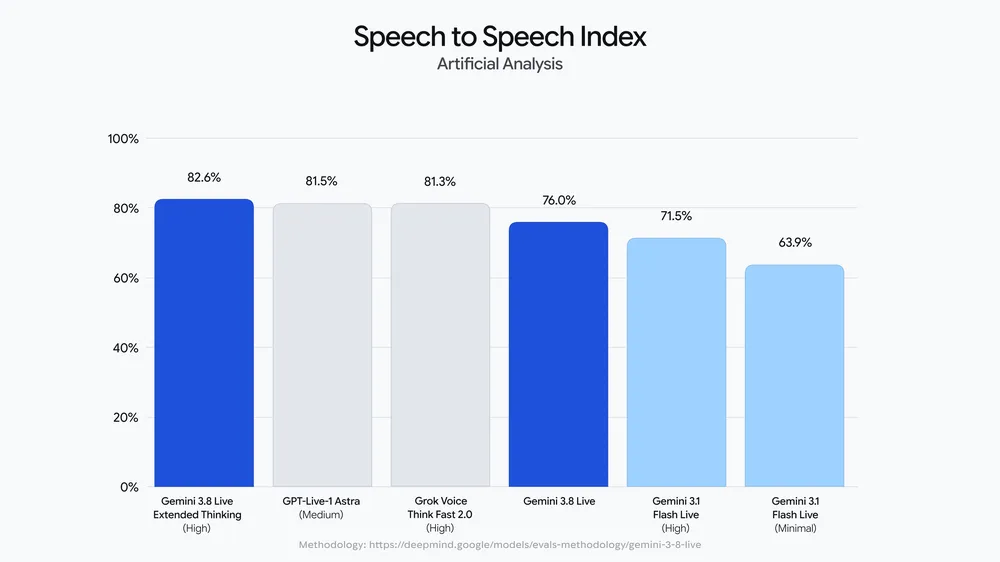
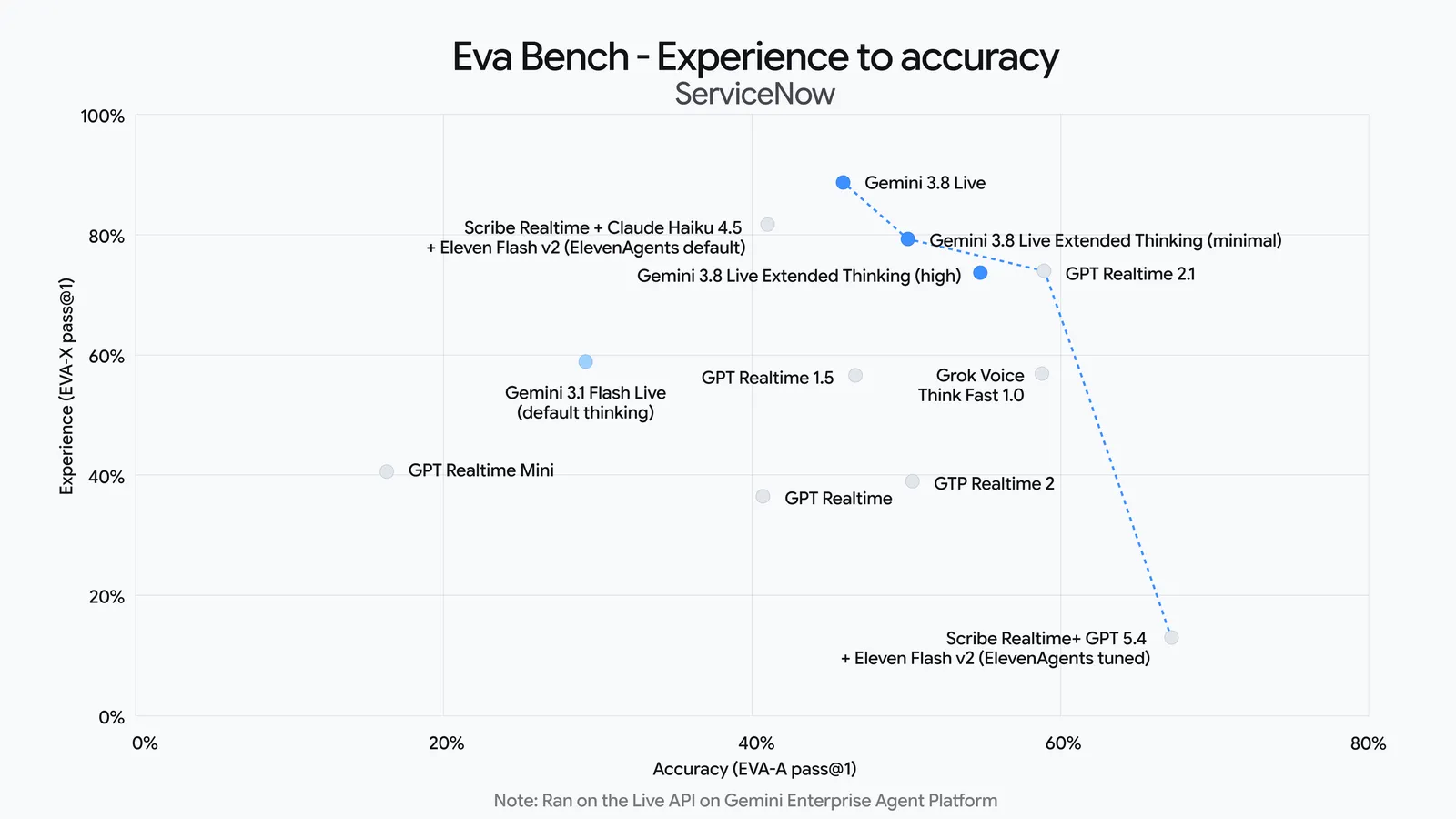
Search Live is one of its consumer destinations, with Google demonstrating step-by-step troubleshooting inside Search.
The company separately introduced Gemini 3.8 Live Extended Thinking for more complex reasoning. Its rollout includes Gemini Live and specified Workspace experiences. Google identifies the standard 3.8 Live model as the Search Live upgrade; the two releases should not be treated as interchangeable.
These are model capabilities and product assignments. They do not establish a change to website ranking criteria.
AI Mode Still Needs Eligible Web Pages
A camera changes the information a person supplies to Search. Website eligibility remains governed by Google’s published search requirements.
In its guidance for AI features and websites, Google says pages must be indexed and eligible to appear with a snippet to qualify as supporting links in AI Overviews or AI Mode. No additional technical requirements or special schema markup are necessary.
The guidance also explains that AI Mode can issue multiple related searches across subtopics and data sources while developing a response. That process, called query fan-out, helps identify supporting pages beyond a single literal query.
For marketers, the practical implication is continuity in content operations: accessible pages, clear product and service descriptions, and relevant supporting media remain the work. A customer’s spoken description may be incomplete, while a camera supplies context. Content still needs to explain the subject accurately enough to answer the underlying question.
Google’s documentation also calls for important information to remain available as text, with useful images and videos alongside it. Meeting those recommendations does not guarantee selection.
Visual Search Makes Image Context Relevant to the Discussion
The multimodal SEO question extends beyond whether a business publishes photographs. It includes how those photographs relate to the information around them.
Google’s image SEO documentation says it uses page content, captions and image titles to understand an image’s subject. Alt text contributes alongside computer vision and the surrounding page. Descriptive filenames provide a smaller contextual signal.
Consider a replacement part shown on a product page. A clear photograph, accurate model description and nearby compatibility information each explain something different. The photograph shows its appearance; the text identifies what it fits. That is an illustration of complementary content, not evidence that Search Live favours a particular page layout.
Existing visual search practices also depend on whether Google can discover the asset. Google recommends standard HTML image elements and says it does not index images implemented as CSS backgrounds.
Published video has separate discovery requirements. Under Google’s video SEO guidance, videos should use supported embedding methods and should not require a click, swipe or typed input before loading. Eligibility for video features also depends on requirements such as an indexed watch page and an accessible, stable thumbnail.
Those rules apply to media published on websites. A user sharing a live camera feed is supplying query context. The two activities involve video, but they occupy different parts of the search process.
For a business publishing demonstrations or support material, that distinction keeps the editorial task concrete: explain the product or procedure clearly, and make the published media discoverable.
Continuous Conversation Has Camera and Reporting Limits
Search Live supports an ongoing exchange, but its camera does not remain active in every situation.
Google’s Search Live help documentation says users can ask follow-up questions, interrupt responses and activate video to share what they see. Web links appear on screen for further exploration. Users can also enter a camera-enabled conversation through Google Lens.
Audio conversations can continue while another app is open when background use is enabled. Camera sharing stops when the Google app moves into the background or the screen locks. Returning to the app does not automatically restart the camera.
For publishers measuring visits, Google says traffic from AI features is included in Search Console’s Web performance reporting. That aggregate reporting does not, by itself, demonstrate an effect from this model rollout.
Search Live remains accessible through the Google app. Users start a session from the Live control beneath the search bar and can turn camera sharing on or off during the conversation.