
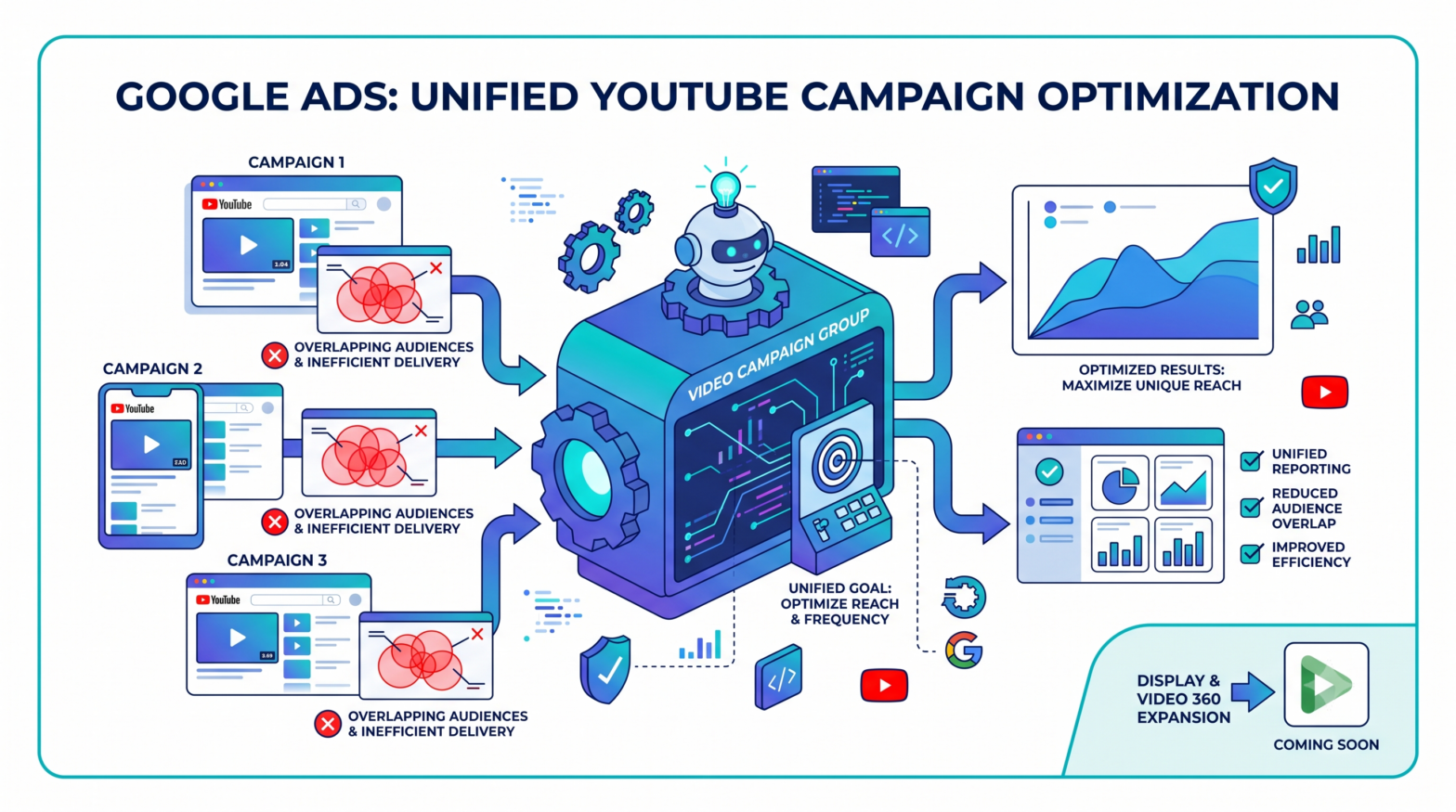
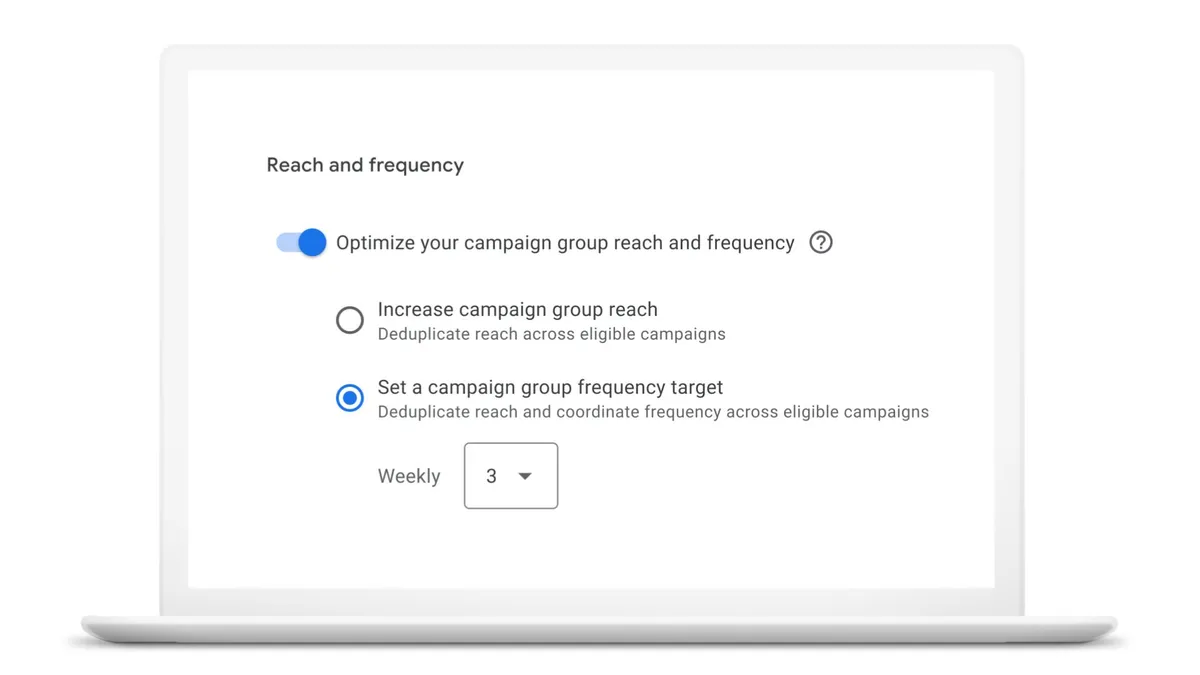
YouTube advertisers running multiple video campaigns can now manage reach and frequency across all of them from a single, unified goal. Google confirmed in its July 13 Ads & Commerce Blog post that YouTube reach and frequency optimization for video campaign groups is now available globally in Google Ads, enabling advertisers to coordinate reach and frequency across multiple video campaigns.
What Changed in Google Ads
Prior to this update, reach and frequency controls in Google Ads operated at the individual campaign level. The concept of applying reach and frequency settings to campaigns has existed for some time, allowing advertisers to define the frequency of ad exposure for individual viewers within a specific timeframe, but until now, the feature was only available at the individual campaign level. That meant brands running several YouTube campaigns simultaneously had no native mechanism to deduplicate audience exposure across them.
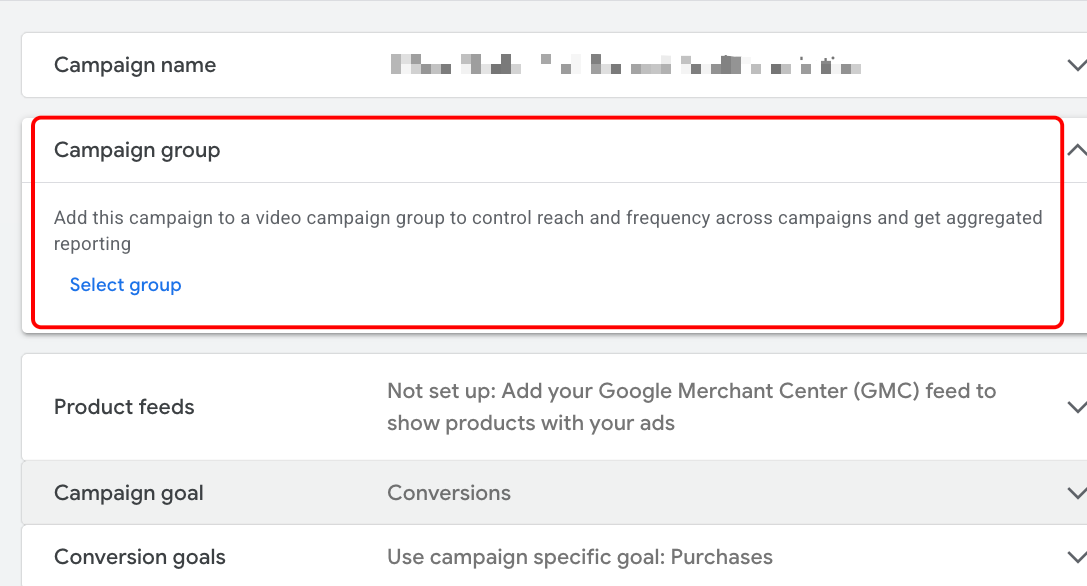
Video campaign groups let advertisers set a unified reach or frequency goal that spans multiple YouTube video campaigns. Each individual campaign retains its own budget, creative assets, and targeting settings, but instead of each campaign optimizing in isolation, Google's system coordinates delivery across all campaigns in the group to reduce audience overlap and maximize unique reach.
Unified Reporting Across Campaigns
The update also introduces unified reporting across grouped campaigns, providing visibility into metrics including unique reach, average weekly impressions, and reach and frequency performance across the entire campaign group. Previously, advertisers had to assess those figures campaign by campaign without a consolidated view.
The Frequency Data Google Cited
To support the product launch, Google pointed to internal research. Google's July 13 Ads & Commerce Blog post states that a Google Meridian marketing mix modelling (MMM) study found that an optimal frequency of 2.7 exposures per week leads to a 19% lift in ROI.
The sourcing of that figure warrants context. Google's announcement states the finding came from a Meridian MMM study covering roughly 600 US brands, built on first-party YouTube data combined with third-party licensed TV and sales data from 2023 through 2025. The 2.7 figure is a vendor-stated result from a Google-run study; no independent replication of the finding has been published.
Practical Implications for Advertisers
For brand advertisers managing large-scale YouTube awareness activity across multiple campaigns, such as separate campaigns segmented by audience, creative variant, or funnel stage, video campaign groups provide a structural way to set a shared frequency goal without collapsing individual campaign budgets or creative strategies into one. Advertisers should note that this feature is designed for reach and frequency campaign types specifically, and existing campaign-level controls remain in place within any group.
DV360 Expansion Pending
The additional capabilities are currently available for video campaign groups in Google Ads. Google has also stated that the same reach and frequency options will soon be available for Display & Video 360, a platform used by larger advertisers and agencies for complex media buying across channels. Google has not provided a specific date for the Display & Video 360 launch.
Google's July 13 Ads & Commerce Blog post confirmed the global availability of video campaign groups in Google Ads and noted the forthcoming Display & Video 360 expansion.