

Guide · Agentic commerce

ChatGPT Wallet for Merchants: How to Prepare Your Store for AI Agent Purchases

AI agents can now pay for purchases on online stores using ChatGPT Wallet. This guide explains how it works, who can use it, why agent purchases get blocked, and what to check on your store today.
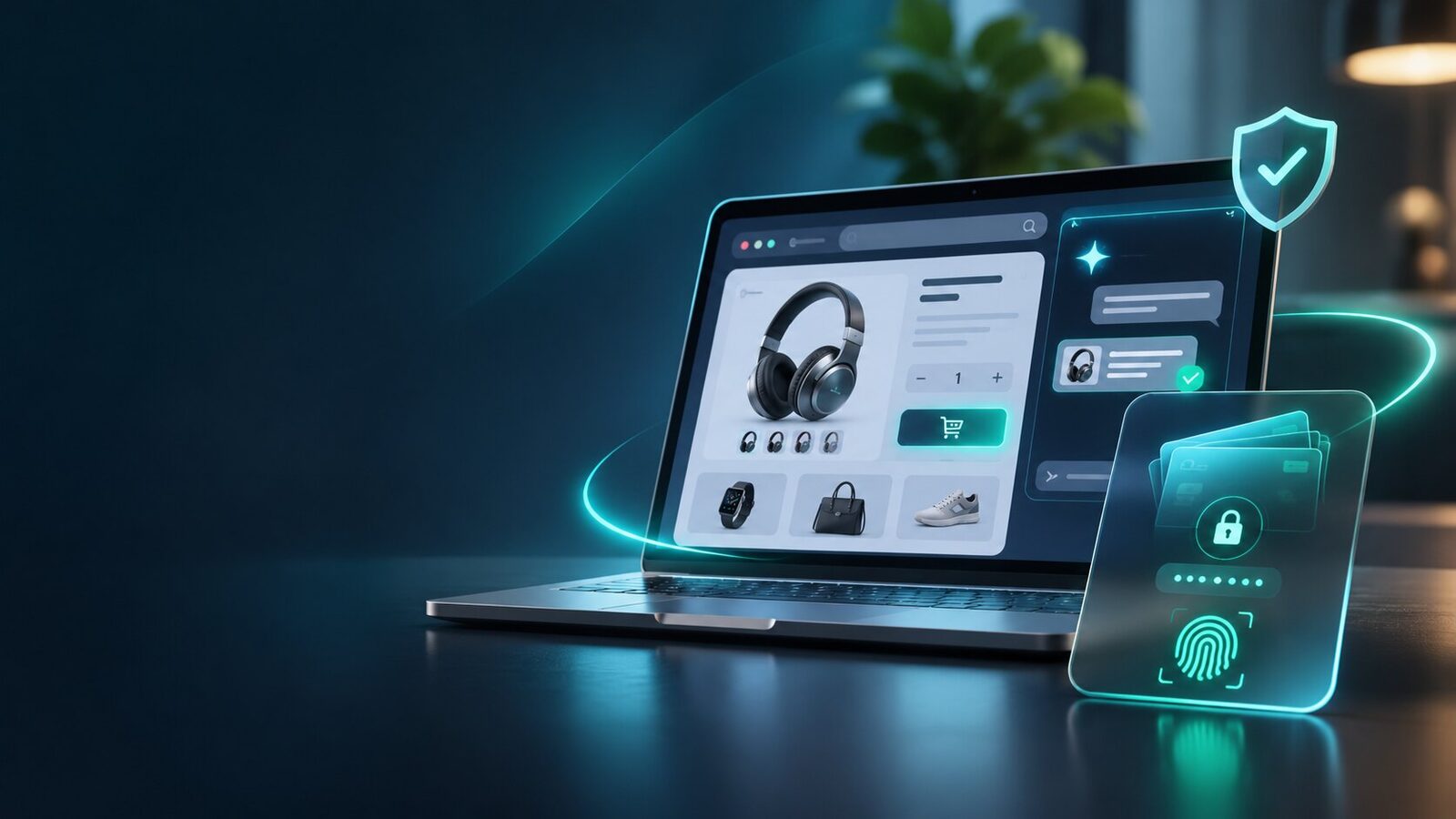
Online store product page on a laptop next to a secure payment approval card
Conceptual illustration of an agent-assisted checkout.
Key takeaways
  • ChatGPT Wallet lets AI agents pay for purchases using a payment token instead of real card details.
  • Customers approve every purchase with a security check.
  • Existing checkout forms can accept Wallet payments. No plugin or new gateway is required.
  • Agent purchases can fail when bot protection or fraud systems mistake agents for bad bots.
  • Merchants keep control of pricing, fulfillment, returns, customer service and fraud decisions.

What Is ChatGPT Wallet?

ChatGPT Wallet is OpenAI's payment system that lets AI agents in ChatGPT pay for purchases on a customer's behalf, without seeing the customer's real card details. OpenAI launched it on November 13, 2026, with American Express, Mastercard and Visa.

Instead of a card number, the payment network issues a token for each approved purchase. The customer reviews and approves every purchase with a security check, and the merchant charges the token through its existing checkout.

How Does ChatGPT Wallet Work?

  1. Step1

    The customer describes what they want

    They tell their agent what they’re looking for, their budget and any preferences.
  2. Step2

    The agent searches and builds a cart

    It searches the open web, APIs or merchant product feeds, then navigates the chosen store and adds items to the cart.
  3. Step3

    The customer reviews and approves

    At checkout, Wallet shows the merchant, items, total and payment method. The customer approves with a security check.
  4. Step4

    A payment token is issued

    The card network issues a token for the approved purchase. The merchant receives the token, not the full card number.
  5. Step5

    The merchant processes the order

    The order runs through the store’s existing checkout, payment and fraud systems, like any other online order.
A customer asking a shopping agent to find a holiday gift around $100 Payment approval sheet showing total, merchant, delivery and card with Approve and Cancel buttons
The customer asks, the agent shops, the customer approves. Example from OpenAI’s ChatGPT Wallet announcement.

Who Can Use ChatGPT Wallet Right Now?

At launch, availability is intentionally limited while OpenAI monitors compatibility with merchants and banks:

WhoChatGPT Pro subscribers in the US, aged 18 and over.
Where it runsInitially in dots, OpenAI’s always-on agents with their own cloud browser.
Eligible cardsEligible US-issued American Express, Chase, Mastercard and Visa cards.
What’s nextOpenAI has not announced a timeline for other plans or countries.

For Canadian stores: shoppers using Wallet are currently US-based, but they can buy from any store that accepts their card and ships to them. If you sell to US customers, readiness matters now.

What Does ChatGPT Wallet Mean for E-commerce Merchants?

For merchants, an agent purchase looks a lot like a normal online order. The key differences are who is clicking through your site, and what your payment systems receive.

  • Who is shopping

    An agent navigates your site in a cloud browser on the customer’s behalf.

  • What you receive

    A network token. You can use the Payment Account Reference to associate it with the underlying account.

  • What you control

    Pricing, fulfillment, returns, customer service and fraud decisions stay with you.

  • What it costs

    OpenAI is not taking a cut of transactions at launch. Normal processing fees apply.

  • What can go wrong

    Security or risk systems may block or decline a legitimate agent purchase.

How to Prepare Your Store for ChatGPT Wallet: 5-Step Checklist

OpenAI says merchants need two things to accept Wallet payments: a website that doesn't block legitimate agents, and payment and risk systems that recognize legitimate agent transactions. This checklist breaks that down.

  1. 01

    Let verified agents through without weakening bot protection

    Configure your CDN or firewall to recognize signed agent requests using Web Bot Auth, so verified agents can browse and check out while bad bots stay blocked.

    Who to involve: your developer, hosting or CDN provider

  2. 02

    Talk to your payment and fraud providers

    OpenAI is working with payment providers such as Stripe, Adyen and Checkout.com, and fraud-prevention partners including Forter, Riskified, Sardine and Signifyd. Ask yours how they handle agent purchases.

    Who to involve: your payment processor and fraud tool

  3. 03

    Make product data accurate and easy to read

    Agents may find you through the open web, APIs or product feeds. Keep titles, descriptions, prices, stock and shipping details accurate and consistent everywhere.

    Who to involve: your e-commerce or feed manager

  4. 04

    Remove avoidable friction from checkout

    Walk through your checkout as an agent would. Look for steps that could stall an automated session, such as aggressive challenge pages or interrupting pop-ups.

    Who to involve: your developer and UX team

  5. 05

    Monitor declines and keep reviewing

    Watch for unusual declines or cancellations, and revisit your setup as OpenAI updates its guidance and expands availability.

    Who to involve: your operations and analytics team

Why Do AI Agent Purchases Get Blocked or Declined?

OpenAI acknowledges that some sites may block Wallet purchases. The cause is usually a system working as designed, just not yet aware of legitimate agents.

Bot protection

Generic bot rules can block an agent’s cloud browser before it reaches your product pages.

Firewall & CDN rules

Rate limits and challenge pages can interrupt an automated session mid-checkout.

Fraud scoring

Risk systems may score an unfamiliar device or browser pattern as suspicious.

Payment declines

Merchants and card issuers can still reject purchases they don’t recognize.

Do You Need a Plugin or a New Payment Gateway?

No. OpenAI's payment guidance confirms that existing checkout forms can accept ChatGPT Wallet payments. Agents can use your current website through the browser.

A dedicated plugin, or newer standards such as WebMCP, are optional. They may suit stores that want a more structured integration, but they aren't required to accept Wallet purchases.

Does ChatGPT Wallet Work With Shopify and WooCommerce?

Because Wallet works through existing checkout forms, stores on Shopify, WooCommerce and custom platforms may be able to accept agent purchases without replatforming. What decides it is your specific setup:

PlatformWhat to review
ShopifyBot protection settings, checkout apps, theme scripts, payment provider and fraud tools.
WooCommerceSecurity plugins, hosting and CDN rules, checkout plugins and payment gateway configuration.
Custom platformsInfrastructure, firewall rules, custom checkout logic, product feeds and risk tooling.

Common Mistakes Merchants Should Avoid

  • Turning off bot protection. Recognize verified agents instead. Disabling protection exposes your store to real threats.
  • Assuming you need a new platform. Wallet works with existing checkout forms. Most stores need configuration, not replatforming.
  • Ignoring your fraud provider. Legitimate agent orders can be declined or cancelled if risk systems aren’t prepared.
  • Letting product data drift. Outdated prices or stock can lead an agent to the wrong product, or away from your store.
  • Expecting guaranteed sales. Readiness removes obstacles. It doesn’t guarantee agent visits or purchases.

ChatGPT Wallet FAQs for Merchants

ChatGPT Wallet is OpenAI’s payment system that lets AI agents in ChatGPT pay for purchases on a customer’s behalf using a payment token, so the real card details aren’t shared with the agent or merchant.

Existing checkout forms can accept Wallet payments. OpenAI asks merchants to make sure their website doesn’t block legitimate agents and that payment and risk systems recognize legitimate agent transactions.

At launch, Wallet is available to US ChatGPT Pro subscribers with eligible US-issued cards. Canadian stores that sell to US customers can still receive Wallet purchases.

OpenAI is not taking a cut of transactions at launch. Your normal payment processing fees still apply.

No. Agents can use your existing website. A dedicated plugin or WebMCP integration is optional.

Risk and fraud systems can mistake a legitimate agent’s cloud browser for a bot. Working with your payment and fraud providers helps them recognize legitimate agent purchases.

Web Bot Auth is a way for agents to sign their requests so websites can verify who they are. OpenAI recommends recognizing these signed requests at your CDN or firewall, instead of weakening general bot protection.

You do. Merchants keep control of pricing, fulfillment, returns, customer service and fraud decisions.

No. Readiness removes avoidable obstacles, but it doesn’t guarantee agent visits, payment authorization or sales.

Sources

  • OpenAI: Introducing ChatGPT Wallet (November 13, 2026)
  • OpenAI: Commerce Partner Playbook
  • OpenAI: Guidance for accepting ChatGPT Wallet payments

ChatGPT Wallet is newly launched and details may change. ChatGPT is a trademark of OpenAI. TechWyse is an independent agency and is not affiliated with OpenAI.

Get Your Store AI-Commerce Ready
AI commerce readiness audit

Get Your Store Ready for AI-Powered Shopping

Find out whether your website, product data and checkout are prepared for agentic commerce.

Speak with an e-commerce specialist416-410-7090
Request your readiness audit


    Post a Comment

    0 Comments

    Ready To Rule The First Page of Google?

    Contact us for an exclusive 20-minute assessment & strategy discussion. Fill out the form, and we will get back to you right away!

    What Our Clients Have To Say

    L
    Luciano Zeppieri
    S
    Sharon Tierney
    S
    Sheena Owen
    A
    Andrea Bodi - Lab Works
    D
    Dr. Philip Solomon MD
    Newsletter
    Subscribe to Our Newsletter