If you sell online, you’ve probably started on Amazon or a similar marketplace. Most do. The demand is already there, setup is fast, and you can start moving units without building much.
The scale is real. Amazon alone drives roughly 40% of U.S. e-commerce sales. By early 2026, projections indicated that the top 100 online marketplaces were expected to generate approximately $3.8 trillion in GMV.
That’s why almost every brand begins there.
But staying there too long starts to cost you in ways that don’t show up immediately.
How Marketplaces Became The Default
Most brands defaulted to marketplaces because the alternative was too hard.
Getting a standalone store to work meant solving four problems at once: traffic, trust, payments, and fulfillment. Miss any one of those, and you could have a good product and still get no traction.
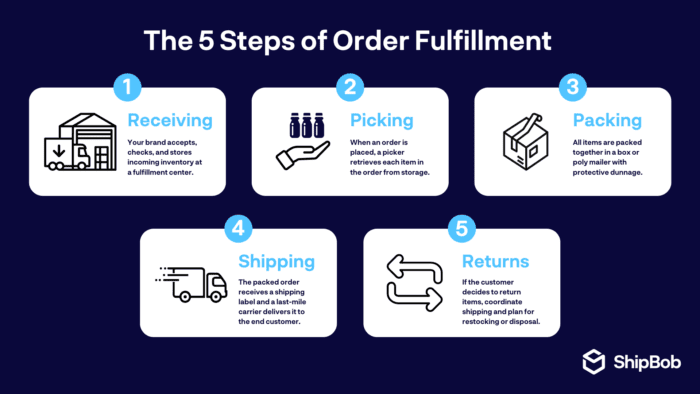
Marketplaces removed that friction.
Traffic was already there. Checkout was standardized. Payments were handled. Fulfillment could be outsourced. You didn’t have to earn trust from scratch because the platform had already done that work.

Instead of building infrastructure, founders could focus on whether the product actually sells. And that’s where marketplaces became useful in a very specific way.
They give you fast feedback, but only on certain questions:
- Does this price point hold?
- Which variations get picked first?
- What do customers complain about in reviews?
You get answers quickly because volume is concentrated. But notice what you don’t learn.
- You don’t understand why someone chose you over an alternative.
- You don’t control how your product is framed.
- You don’t build any direct relationship with the buyer.
So yes, marketplaces work well at the start. They reduce the problem to something manageable, but you’re missing out on a lot.
Where Marketplaces Start To Lack
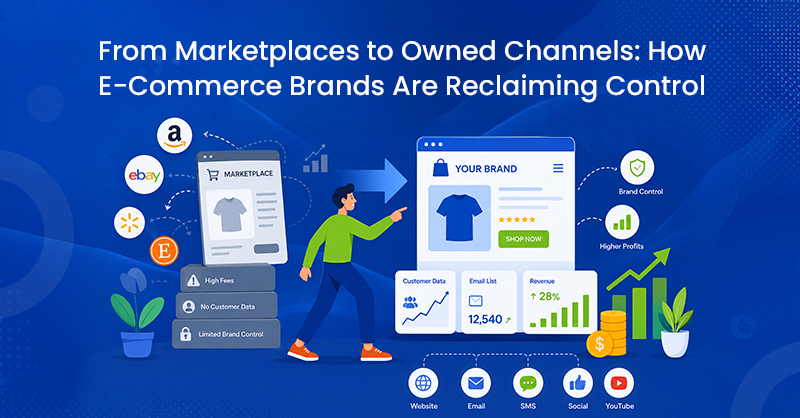
On paper, revenue looks strong. Then you layer in fees. Marketplace fees alone can take 15–35% of revenue. Add ads, fulfillment, returns, and you’re often looking at something close to 50% all-in for Amazon sellers.
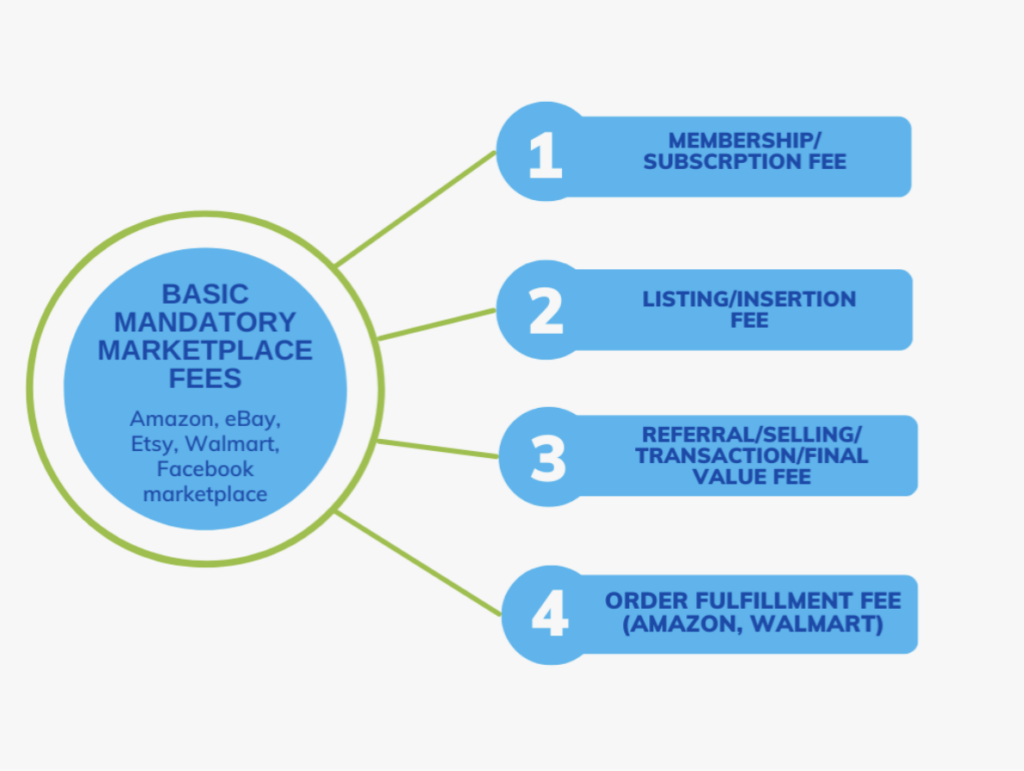
At that stage, increasing sales doesn’t improve the business the way you expect. Revenue goes up, but the underlying economics stay tight. You’re still operating within the same constraints, just at a larger scale.
That’s when the other issues become harder to ignore.
- You’re not building an audience you can reach again. Each purchase depends on the platform bringing that customer back into the funnel. There’s no reliable way to carry that relationship forward.
- The product page is another limitation. It sits inside a fixed structure you don’t control, alongside competing listings that follow the same format. Differentiation gets compressed into small details (images, bullets, reviews) while the broader story behind the product is mostly lost.
- Pricing behaves differently, too. It starts responding to external pressure from competing sellers, buy box dynamics, and platform rules.
- You process the order, but you don’t gain access to the context behind it. No meaningful data, no direct communication, no way to follow up beyond what the platform allows.
Adrian Iorga, Founder of Stairhopper Movers, runs a service business where lead quality matters more than volume.
He says, “Marketplace-style platforms send a lot of inquiries, but they flatten everything into price comparisons. You end up competing on who’s cheaper, not who’s better. When we pushed more traffic to our own site, we could explain how we handle complex moves, set expectations properly, and qualify leads before they even call. The volume dropped slightly, but the jobs improved.”
The real trade-off is the inability to build anything that compounds over time.
Then there’s platform risk.
Listings get flagged. Rankings shift, and policies update without much notice. When it happens, you’re left trying to recover performance inside a system where the rules can change quickly.
You’re operating a business. But key parts of it sit outside your control.
Why Owned Channels Matter
Your own site changes the dynamic.
- You control how the product is presented.
- You decide how pricing works.
- You shape the experience before and after purchase.
This is where the compounding starts. Because you collect data you can actually use. You can segment, test, personalize, and follow up in your unique ways.
And over time, that turns into better retention and higher order value.
How To Build Your Own Channel
You don’t need a massive rebuild. You need clarity on what actually matters.
Start with your numbers.
Break down revenue and costs by channel. Include everything: fees, ads, returns, discounts. That’s your real baseline.
Then pick a platform. Shopify, WooCommerce, BigCommerce, any of them work. The difference isn’t the platform. It’s how well you execute.
Focus on the parts that directly affect conversion:
- Site speed
- Clean product structure
- Simple checkout
Everything else can wait.
Get your data foundation right first
Design changes feel productive. They’re also easy to get wrong if you’re guessing.
If you can’t see how people move through your site, you won’t know what to fix.
- Set up GA4 properly.
- Track the actions that actually matter, like product views, add-to-cart, checkout steps, and purchases.
- Then connect a CRM so those actions tie back to real users, not just anonymous sessions.
This is what allows you to make decisions based on behaviour instead of assumptions.
Christopher Skoropada, CEO of Appsvio, sees this gap clearly when teams transition off platforms.
He notes, “On marketplaces, you see outcomes but not behaviour. You know what sold, but not what led to it. When brands move to owned channels without proper tracking, they carry that blind spot with them. The teams that get it right early are the ones that treat analytics as infrastructure, instead of just a reporting layer.”
Build for search from the start
Paid traffic can get you moving. It rarely holds up on its own.
Organic search still accounts for a large share of trackable traffic across sites.
But this only works if the content matches real intent.
What tends to perform:
- Comparison pages that help users choose
- Use-case content that shows how the product fits into real scenarios
- Pages built around specific problems customers are trying to solve
The pages that answer clear questions continue to bring in traffic long after they’re published.
Give people a reason to return
Most brand sites don’t fail because of traffic. They fail because there’s no reason to come back.
If the site is just a product cataloguw, the interaction ends after the purchase.
Samuel Charmetant, Founder of ArtMajeur, sees this play out across thousands of artists trying to move beyond transactional marketplaces.
He puts it plainly: “On marketplaces, the artwork is reduced to a thumbnail and a price. That works for discovery, but it doesn’t build attachment. The artists who succeed on their own sites are the ones who show process, context, and story: why this piece exists, how it was made, what it represents. That’s what brings collectors back, not just the product itself.”
The brands that retain attention do a few things differently. They:
- Publish content that actually helps customers use or choose products
- Surface real customer experiences, not just polished reviews
- Work with creators in a way that adds perspective, not just reach
Over time, this builds familiarity.
Keep personalization simple at the start
You don’t need complex systems early on.
Basic adjustments already make a difference:
- Showing relevant product recommendations
- Sending emails based on what someone browsed or bought
- Using simple segmentation instead of one-size-fits-all messaging
This is enough to improve conversion and retention.
Trying to do too much too early usually slows everything down.
Treat post-purchase as part of the product
This is where owned channels pull ahead. Most brands focus heavily on acquisition and treat everything after checkout as operational.
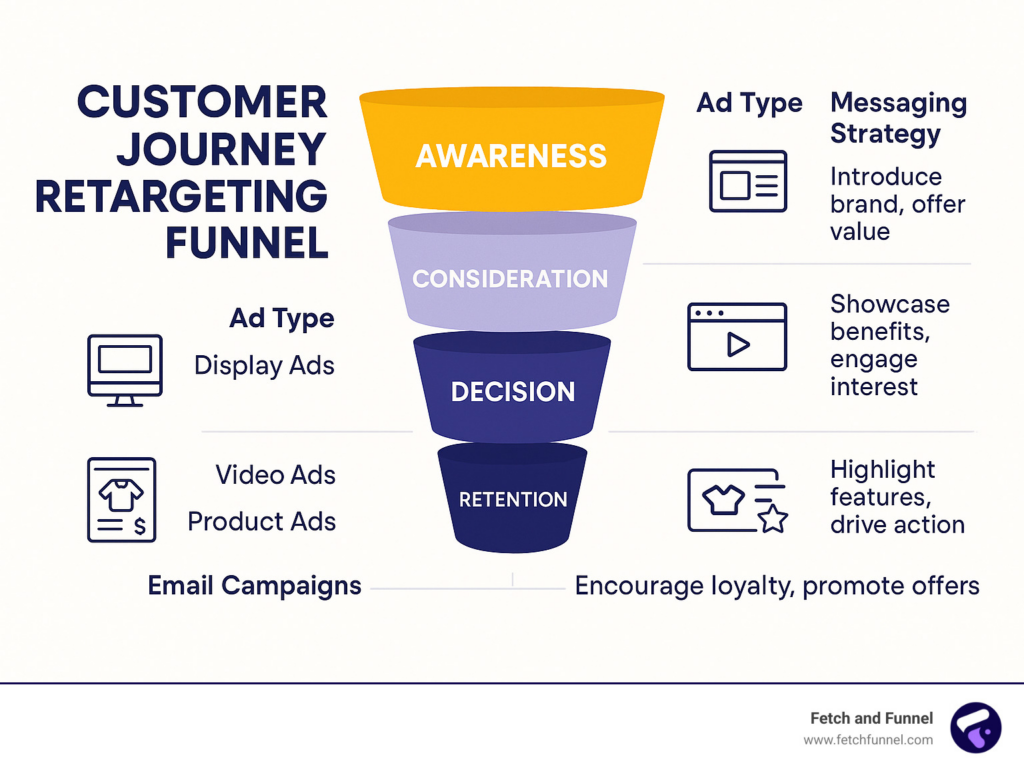
That’s a mistake. Here’s what the customer journey looks like.

What happens after the purchase shapes whether someone comes back.
- Clear shipping updates reduce anxiety.
- Returns that don’t create friction protect trust.
- Follow-ups that feel relevant keep the relationship active.
When this is handled well, repeat purchases stop depending on chance.
Using Both Marketplaces And Owned Channels
You don’t need to abandon marketplaces. They’re still strong for discovery.
The smarter move is to treat them as top-of-funnel.
If someone moves from a marketplace listing to your site, it shouldn’t feel like a different brand. The positioning, visuals, and tone need to line up. Otherwise, you lose trust right when interest is highest.
Then use marketplaces for what they’re good at.
They’re efficient testing environments. You can see what sells, which variants move, and where pricing holds. Take what works and build it out properly on your own site, where you have more control over how it’s presented and sold.
The shift happens when you give customers a reason to engage with you directly.
That might mean bundles that only exist on your site, a smoother post-purchase experience, or loyalty perks that actually reward repeat behavior. The point is to offer something that can’t be replicated inside a marketplace listing.
And then there’s the audience piece.
Email and SMS aren’t assets just because they exist. If people don’t see value, they tune out quickly.
You have to earn that attention.
This is also where operational support starts to matter more than most teams expect.
As workflows expand across marketplaces, owned channels, and retention systems, coordination becomes a bottleneck.
Many growing teams start bringing in external support through an executive assistant staffing agency to handle scheduling, inbox management, and follow-ups, freeing up time to focus on growth and customer experience instead of day-to-day coordination.
Early access, genuinely useful content, and small advantages that make it worth staying connected move customers off-platform and keep them there.
What’s Coming Next
A few things are pushing this shift faster.
- First-party data is becoming more important as tracking gets restricted.
- AI is improving merchandising and recommendations in ways that are actually usable now, not experimental.
- Social commerce is compressing discovery and purchase into the same moment. Platforms are changing faster than most brands can adapt.
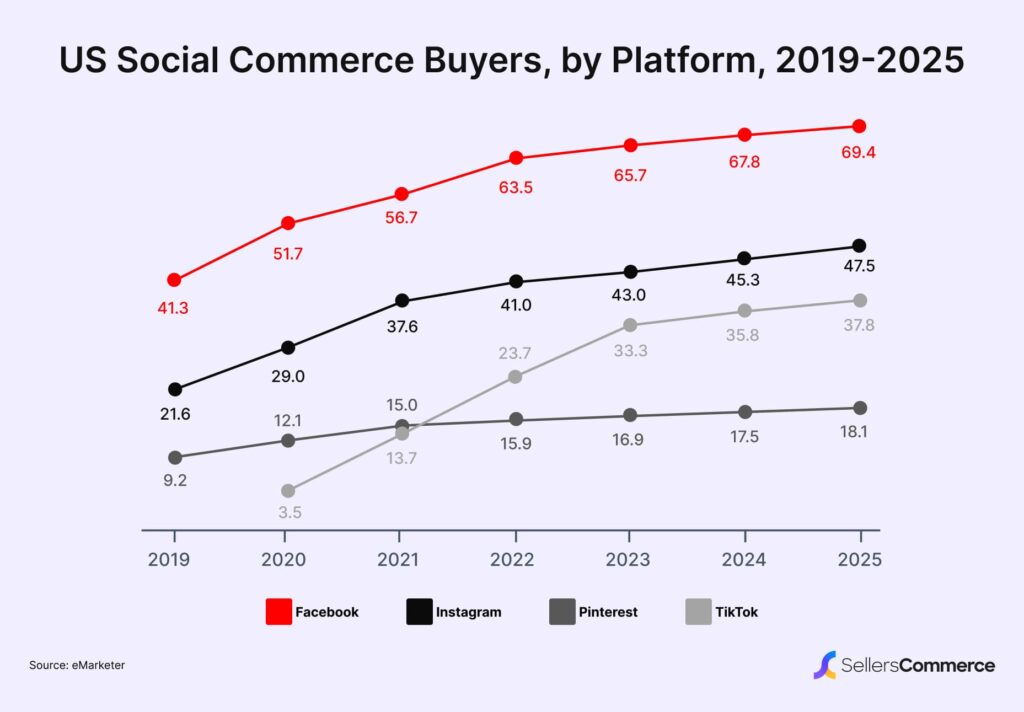
That makes owned channels more important, not less. Because they become the stable layer underneath everything else.
Where This Leaves You
Marketplaces are still useful. But they were never meant to be the entire business.
At some point, the trade-offs become too visible:
- Margins tighten
- Growth plateaus
- Customer insight stays shallow
That’s usually the point where brands start building something they actually control.
If you want a clearer view of what’s working right now in e-commerce, with practical breakdowns, channel strategy, and what to fix when performance stalls, TechWyse publishes consistently useful insights that you can use as a reference point while you build.