If you build, machine, assemble, or engineer anything for a living, you already know the pipeline is not optional. It keeps the business moving.
In 2026, lead generation looks nothing like it did even a couple of years ago. Buyers come in informed. They skim faster, compare harder, and expect answers without waiting for a sales call. The companies adapting to that reality are not chasing tactics. They are rebuilding how discovery and evaluation actually work.
This shift is not about doing more. It is about removing friction where it actually matters.
Understanding the Industrial and Manufacturing Sector in 2026
Manufacturing has already crossed into a different operating model. Systems are connected. Data flows between operations, sales, and service. That changes how demand is created and captured.
Digital transformation spending continues to grow at a 16.3% five-year CAGR, with manufacturing among the largest contributors to that expansion. That momentum is not just operational. It is shaping how buyers evaluate suppliers.
The buying process itself has become heavier. Forrester reports that the average B2B purchase now involves around 13 stakeholders, with 89% of decisions spanning multiple departments. That shows up in real conversations. Engineering wants specs. Procurement wants cost clarity. Operations wants uptime proof.
No one is waiting for a pitch anymore.
They are downloading CAD files, checking tolerances, comparing materials, and validating compliance before they ever speak to sales. A company offering a vertical lift module, for example, is not evaluated on features alone. Buyers want to see throughput data, integration details, and maintenance realities upfront.
This is what Industry 4.0 actually looks like on the demand side. Smarter systems inside the business create smarter expectations outside it.

Source: Unsplash
Emerging Technologies and Their Impact on Lead Generation
AI has moved past surface-level use. It now shapes who gets attention, when they get it, and how relevant that interaction feels.
Gavin Yi, CEO & Founder of Yijin Solutions, works closely with manufacturers using data and automation to improve how they identify and prioritize high-value opportunities across complex sales cycles.
He puts it plainly: “We can analyze buyer behaviour patterns and predict which prospects are most likely to convert. It lets sales focus their time where the numbers say it will pay off. In my experience, the real advantage comes from combining historical data with real-time signals, so teams are not reacting too late. When that alignment is in place, outreach becomes more focused and conversations move forward faster.”
Where this matters most is not volume. It is prioritization.
Below are the practical applications shaping real pipelines:
1. Predictive targeting and lead prioritization
AI now connects quoting history, website behaviour, and CRM data to flag which accounts are worth attention. In practice, that means fewer cold calls and more conversations that actually progress.
2. Intelligent automation across customer touchpoints
Chat assistants are no longer basic. They handle technical questions, route inquiries, and capture context that would otherwise be lost. The difference shows up when a sales rep enters the conversation already informed.
3. Advanced analytics for revenue-focused decisions
Cohort analysis and attribution modelling now tie activity back to revenue. Teams stop debating which channel “feels right” and start seeing which ones actually produce qualified RFQs.
4. IoT-driven insights and proactive engagement
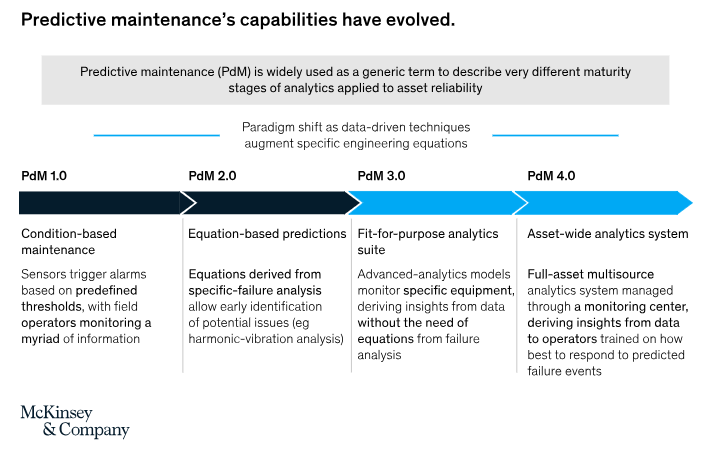
Connected equipment generates signals. Maintenance patterns, performance dips, and usage trends can trigger outreach that feels useful instead of intrusive. McKinsey highlights how predictive maintenance has evolved into multi-source analytics systems that surface actionable insights across operations.
The pattern is simple. The companies using these tools are not louder. They are earlier and more relevant.
Updated Digital Marketing Strategies
SEO and content still matter. But the way they work has shifted toward proof, not presence. What separates effective teams is how closely their content matches real buying behaviour.
Here are the approaches shaping modern industrial marketing:
Advanced SEO for technical discovery
Visibility now comes from owning the details. Pages built around tolerances, certifications, materials, and compliance terms attract buyers who already know what they need. Generic category pages rarely do.
Personalized content that builds technical credibility
Most technical buyers are not looking for inspiration. They are trying to solve a specific problem under constraints. If your content does not reflect their exact application, it gets ignored. The difference shows up in small details, like referencing operating conditions, material limitations, or integration challenges they actually deal with.
Having led growth and operations in a service-driven industrial environment, Travis Lambert, General Manager of Central Oregon Heating, Cooling, Plumbing & Electrical, has seen how buyer expectations have shifted toward relevance and specificity.
“When you deliver content that speaks to specific challenges and applications, you build credibility faster. Broad messaging does not hold attention. Specificity does. In practice, the difference shows when a prospect feels like the content was written for their exact situation, not a general audience. That level of relevance shortens the path from interest to real engagement,” Lambert explains.
Immersive experiences for complex product evaluation
Buyers want to understand how something works before they commit time. AR, VR, and digital twins allow them to evaluate equipment without stepping into a facility.
Video and interactive tools that reduce friction
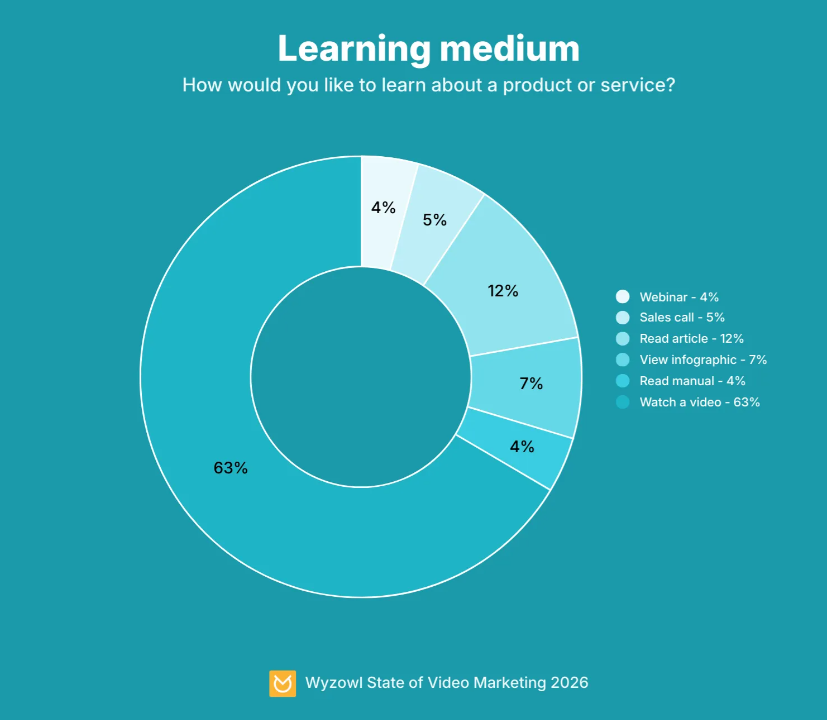
Engineers do not read long explanations unless they have to. Short videos, test demonstrations, and calculators remove friction. Wyzowl reports that 63% of buyers prefer video content when learning about products, compared to 12% for articles and 4% for manuals.
5. Account-based marketing powered by intent signals
ABM works when it reflects real activity. Combining intent data with site behaviour and sales insights creates outreach that feels connected. Without that alignment, it becomes noise.
Most teams already know these tactics. The gap is in execution depth.
Innovative Networking and Relationship-Building Tactics
Trade shows still matter. They just no longer carry the entire pipeline. The strongest results usually come from blending both formats.
What’s working now looks more like this:
- Partner programs outperform standalone outreach. Co-authoring technical content with integrators or distributors builds trust faster than cold introductions and reaches audiences that are already qualified.
- Follow-up is more targeted and contextual. A generic recap email rarely gets attention, but a tailored clip, a relevant spec sheet, or a short walkthrough tied to a specific question does.
- CRMs act as context engines, not storage systems. They capture buying signals, track engagement, and give sales teams the visibility needed to step into conversations prepared.
Salesforce continues to highlight how centralized data and automation improve lead handoff and conversion quality. The difference shows when sales teams step into conversations with full visibility.
Data-Driven Decision Making
More data does not automatically mean better decisions. In many cases, it creates noise.
What matters is choosing signals that actually correlate with revenue.
Here are the signals that consistently prove valuable:
- First-party web behaviour tied to specific products or specs
- Configurator inputs and custom requirement data
- Quote velocity and conversion timelines
- Service logs and post-install performance
- Compliance and regulatory milestones
These are not abstract metrics. They reflect real buying intent.
Strong ICPs now include operational details. Typical tolerances, failure patterns, production scale. Not just company size or industry labels.
There is also a trust layer that did not exist before.
Samantha St Amour, Partnerships Manager at TechnoMEOW, operates in a space where trust, transparency, and data handling directly influence user engagement and long-term relationships.
She notes, “When data handling is clear and responsible, buyers are more willing to share meaningful information. That early trust changes the depth of the conversation from the start. What I’ve observed is that when companies make their data practices visible, prospects engage more openly and provide better signals, which leads to stronger and more informed decisions on both sides.”
That makes compliance part of lead generation. Not a separate function.
Aligning with frameworks like GDPR and CCPA is no longer optional. It directly affects how much signal you can collect.
Challenges and Considerations
Most friction does not come from strategy. It comes from execution constraints.
Legacy systems still hold critical data in formats that are hard to use. SMEs are busy, which slows content creation. Early automation efforts sometimes remove the human context that makes conversations work.
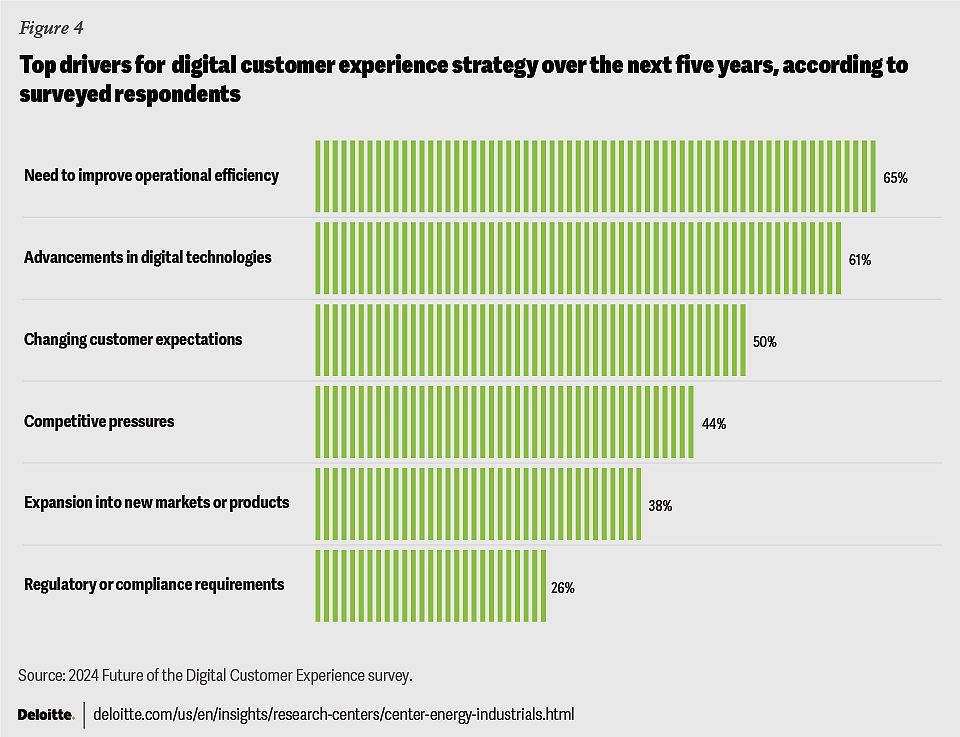
This pressure is not isolated. Deloitte’s research shows that 65% of organizations cite the need to improve operational efficiency as a primary driver behind their digital customer experience strategies. That aligns with what teams feel day to day. The push to modernize is real, but the path is often constrained by how systems and workflows actually operate.
There is also the issue of attribution. When multiple channels influence a deal, it becomes harder to see what actually worked. Without clarity, teams default to assumptions.
A simple approach helps. Start small. Measure honestly. Keep what proves useful.
Future Outlook: What to Expect Beyond 2026
The next shift is already visible.
AI agents will handle more of the early-stage work. Qualification, routing, even drafting proposals from structured knowledge bases. Human input will still matter, but it will be focused where judgment is required.
More discovery will move into structured environments. Industrial marketplaces where specs, compliance data, and reviews sit side by side. Buyers will spend more time there before reaching out.
Sustainability will move into core evaluation criteria. Not as a statement, but as measurable data tied to performance and compliance.
The companies preparing for this are not rebuilding everything. They are tightening what already works and making it easier to access.
Ready to Tighten Your Lead Engine?
Pipeline strength does not come from more activity. It comes from better alignment between what buyers need and what your systems actually show them.
Most teams are not short on tools or channels. The gap usually sits in how those pieces connect, from discovery to evaluation to handoff. When that connection is weak, good opportunities stall or disappear.
TechWyse works with industrial and manufacturing teams to turn disconnected efforts into a lead engine that attracts the right opportunities and moves them forward with less friction.