
AI agents have largely been using websites the hard way.
They read pages, identify buttons and forms, simulate clicks, type into fields and hope the interface behaves as expected. OpenAI is now backing a different model: websites can tell the agent exactly what it is allowed to do.
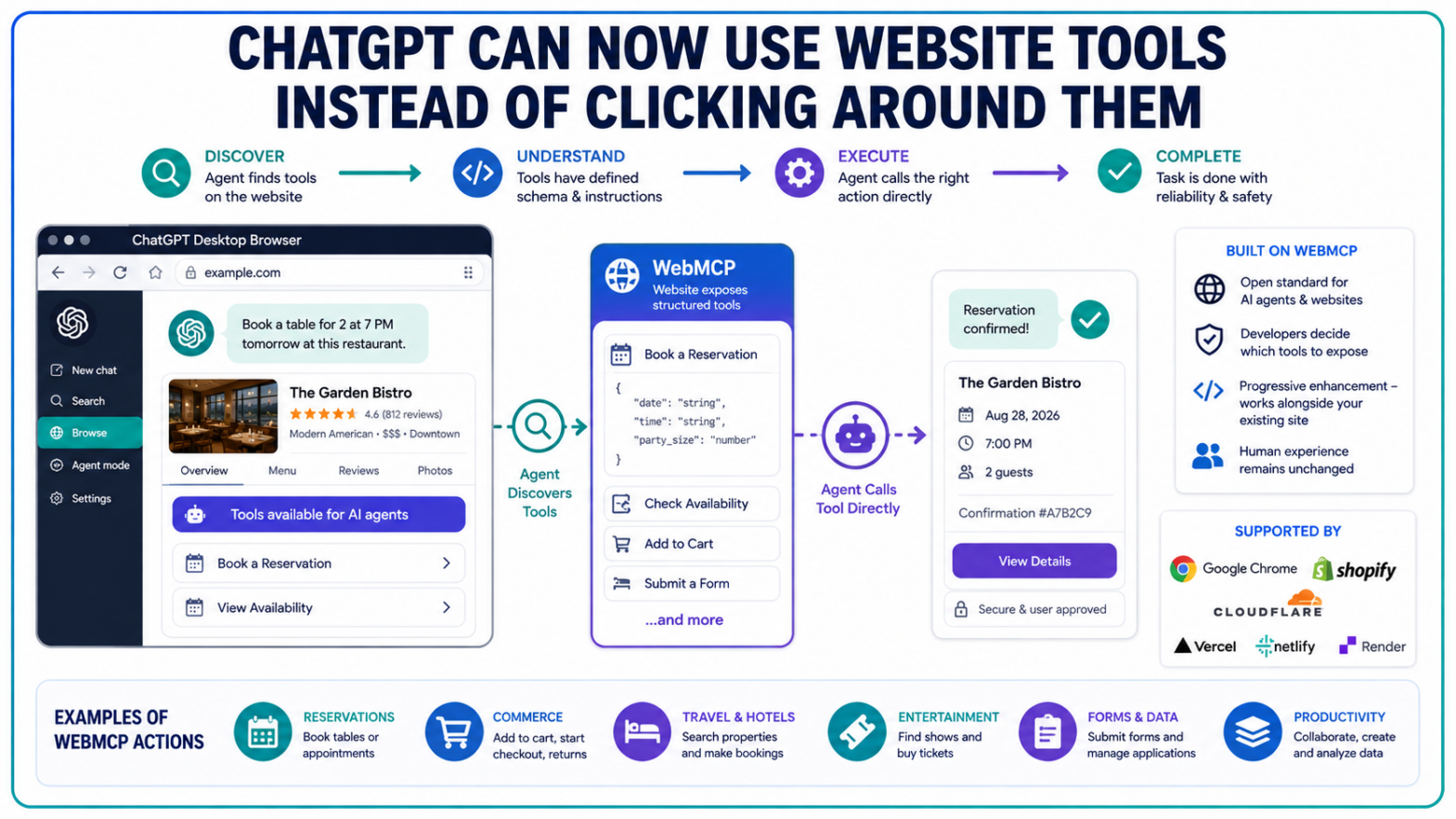
ChatGPT's built-in browser on its Windows and macOS desktop apps now supports WebMCP, an experimental open standard that lets websites expose structured tools directly to AI agents. Instead of navigating a site's interface like a human, an agent can call a defined action to book an appointment, submit a form, manipulate an application or begin a purchase workflow.
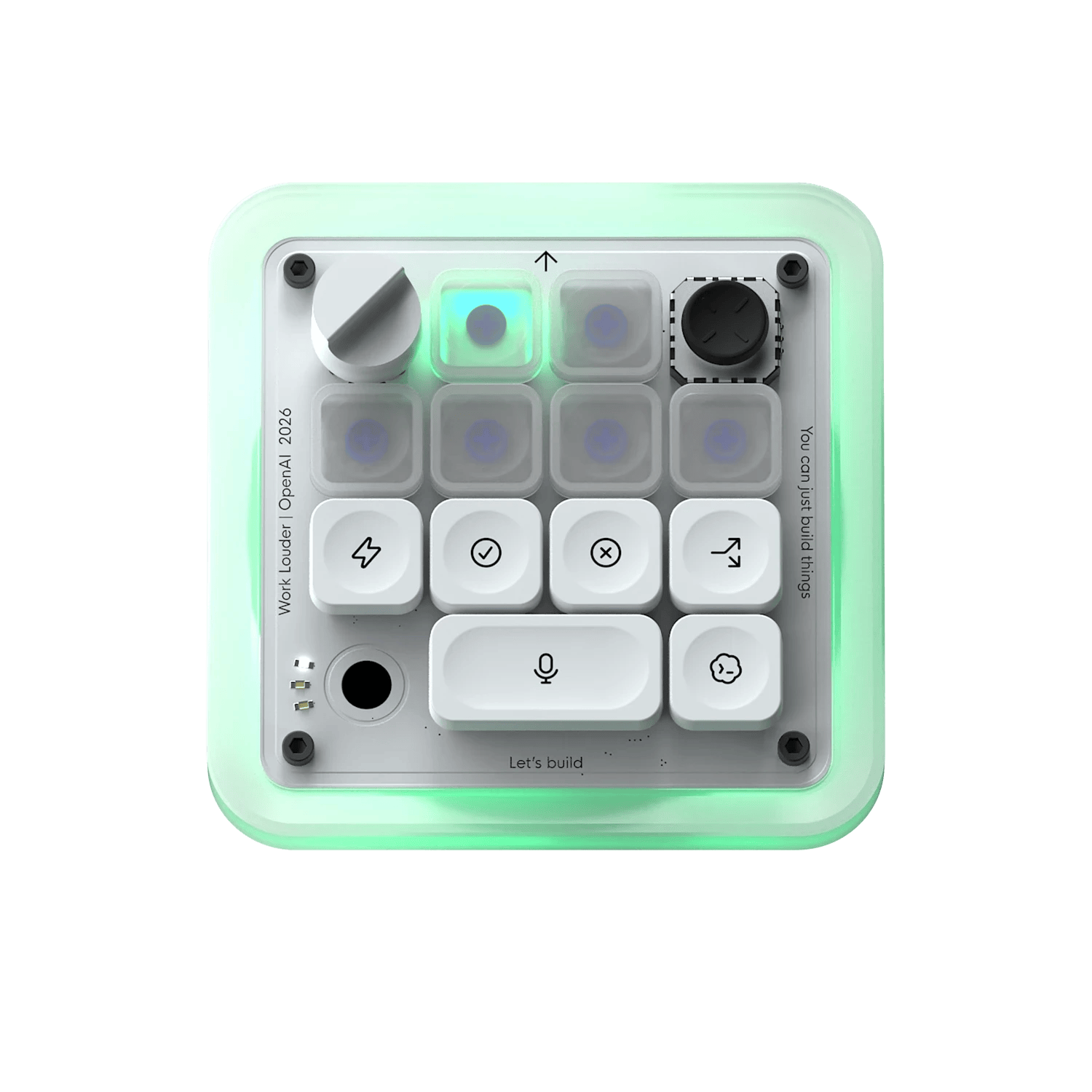
OpenAI is also putting money behind the standard. Its new WebMCP Challenge is inviting developers to spend 10 days building websites and applications around the technology, with support from Google Chrome, Shopify, Cloudflare, Vercel, Netlify and Render.
The larger change is not about another ChatGPT browser feature.
It is about websites becoming interfaces for software agents as well as people.
WebMCP Gives the Website Instructions to the Agent
Traditional browser automation starts with interpretation.
An agent has to look at the page, work out which element represents the task it needs to complete and then interact with that element. On a simple form, that might be manageable. Dynamic menus, JavaScript-heavy applications and changing layouts make the process considerably less reliable.
WebMCP changes the relationship.
A participating website registers specific tools that an agent can discover and call. Each tool can carry a name, a description and a structured input schema explaining what information it expects. Google Chrome's documentation gives actions such as booking a consultation, adding an item to a cart or submitting a form as examples.
OpenAI describes the standard in similarly direct terms: rather than forcing agents to guess their way through an interface, developers define how the agent can use the application.
That turns parts of a website into something closer to a callable toolset.
The visible interface still exists for people. WebMCP creates an additional structured layer for machines.
ChatGPT's Browser Can Discover Those Tools
The OpenAI implementation matters because WebMCP is no longer confined to experimental developer demos.
OpenAI says WebMCP applications can be tested directly in ChatGPT's in-app browser, which supports the technology out of the box. The browser is available in the ChatGPT desktop app on Windows and macOS through Work and Codex, subject to plan and workspace settings.
That gives AI agents a more predictable way to act once they arrive on a compatible site.
Consider a restaurant reservation.

Without a structured integration, an agent may need to identify the reservation form, determine which fields correspond to the date, time and party size, select the right values and submit the form.
A WebMCP-enabled site could instead expose a reservation tool with those fields already defined.
Google's WebMCP examples include a restaurant system that lets an agent validate and submit reservation data, a hotel application built around property searches and bookings, an order-management demo capable of initiating returns and a movie-ticket flow that can move a user toward checkout.
The objective is reliability, not invisible autonomy. Websites decide which functions they expose, while the surrounding browser and agent environment can retain user involvement for consequential actions.
The Agentic Web Is Starting to Get an Interface Layer
WebMCP arrives as major AI and browser companies are trying to solve the same problem from different directions: agents are becoming more capable, but the web was designed around people clicking interfaces.
That mismatch creates friction.
Google's Chrome team describes WebMCP as a proposed web standard designed to improve the accuracy of agent actions. The technology can be added as a progressive enhancement, meaning a site does not need to abandon its normal human-facing experience to make certain functions accessible to agents.
The standard also has momentum beyond OpenAI. Chrome has been actively developing WebMCP support, while OpenAI's challenge includes Google Chrome among its supporting organizations. The specification remains experimental rather than a settled web standard, so its implementation can still change.
That qualification is important.
The agentic web is not suddenly standardized around one protocol. Browser automation, APIs, conventional MCP integrations and vendor-specific agent systems continue to coexist.
WebMCP addresses a narrower layer: what happens when an AI agent is already interacting with a web application and needs a dependable way to perform an action.
Websites May Need to Optimize for Actions, Not Just Answers
For marketers and SEOs, WebMCP introduces a technical consideration that sits outside familiar search optimization.
Making information easy for an AI system to discover is one problem. Making a business function easy for an agent to execute is another.
A restaurant might expose a reservation function. A SaaS company could make a configuration tool available. An ecommerce site could expose cart or order-management actions. A service business could give agents a structured method for booking an appointment.
Google's Lighthouse tooling already recognizes registered WebMCP capabilities and can identify tools such as "Book a Table" or "Add to Cart" on a page.
For marketers, the practical implication is that some conversion journeys could eventually involve fewer conventional page interactions. An agent may not need to locate the same buttons, navigation menus and form elements a person would use if the site's underlying action is available as a structured tool.
That does not remove the role of UX, content or SEO. Human visitors still use the site, agents still need context to decide which business or action satisfies the user's request, and WebMCP adoption remains experimental.
It adds another audience to the technical architecture: software acting on behalf of the customer.
OpenAI Wants Developers to Find the Use Cases
OpenAI is using its WebMCP Challenge to push that idea beyond straightforward checkout and booking demos.
The competition opened August 25, with submissions due September 3 at 1 p.m. PT. Ten selected projects are scheduled to receive $3,000 each, a year of ChatGPT Pro, hardware and additional prizes from participating companies. Winners are currently scheduled to be announced September 23.
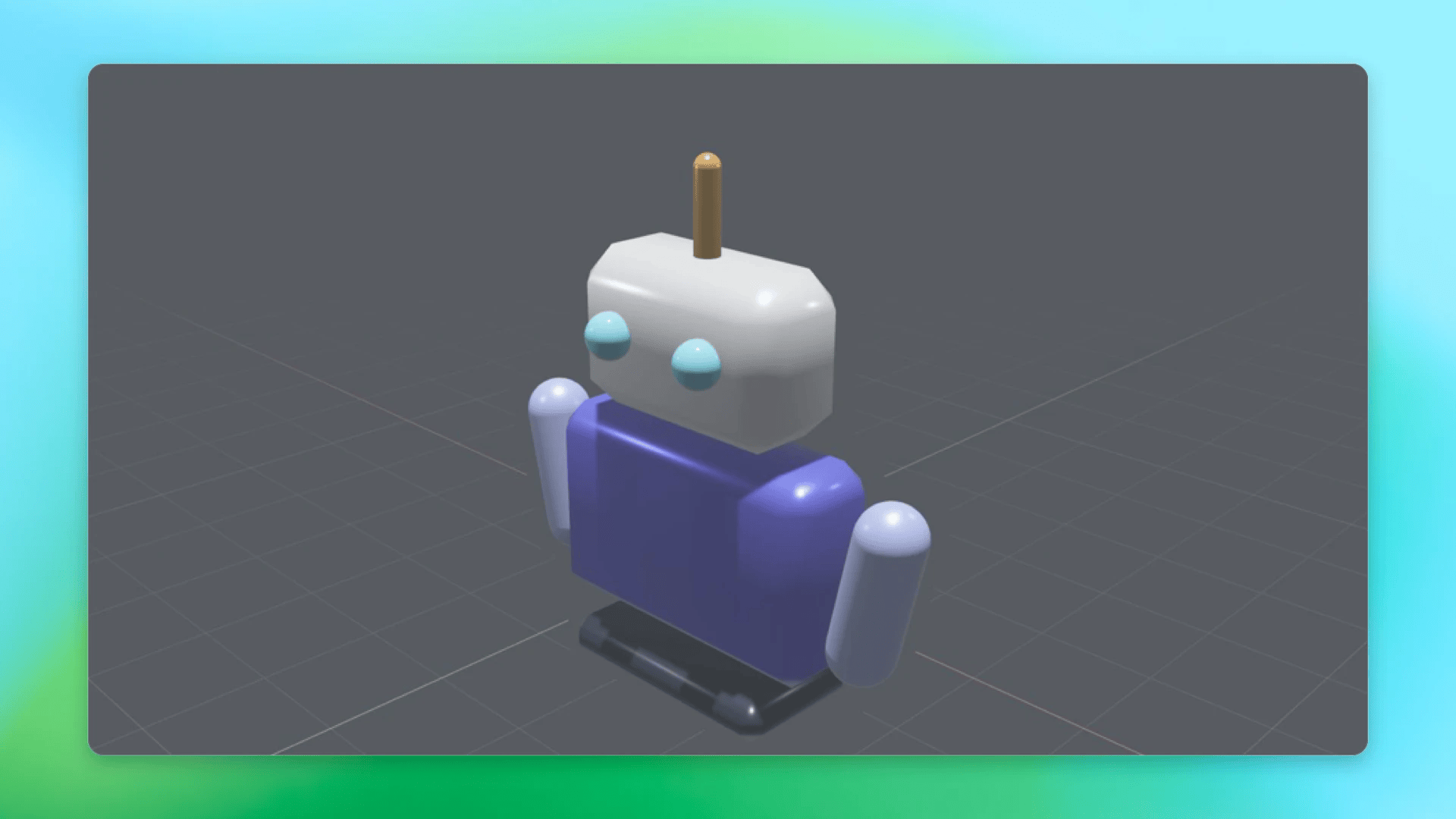
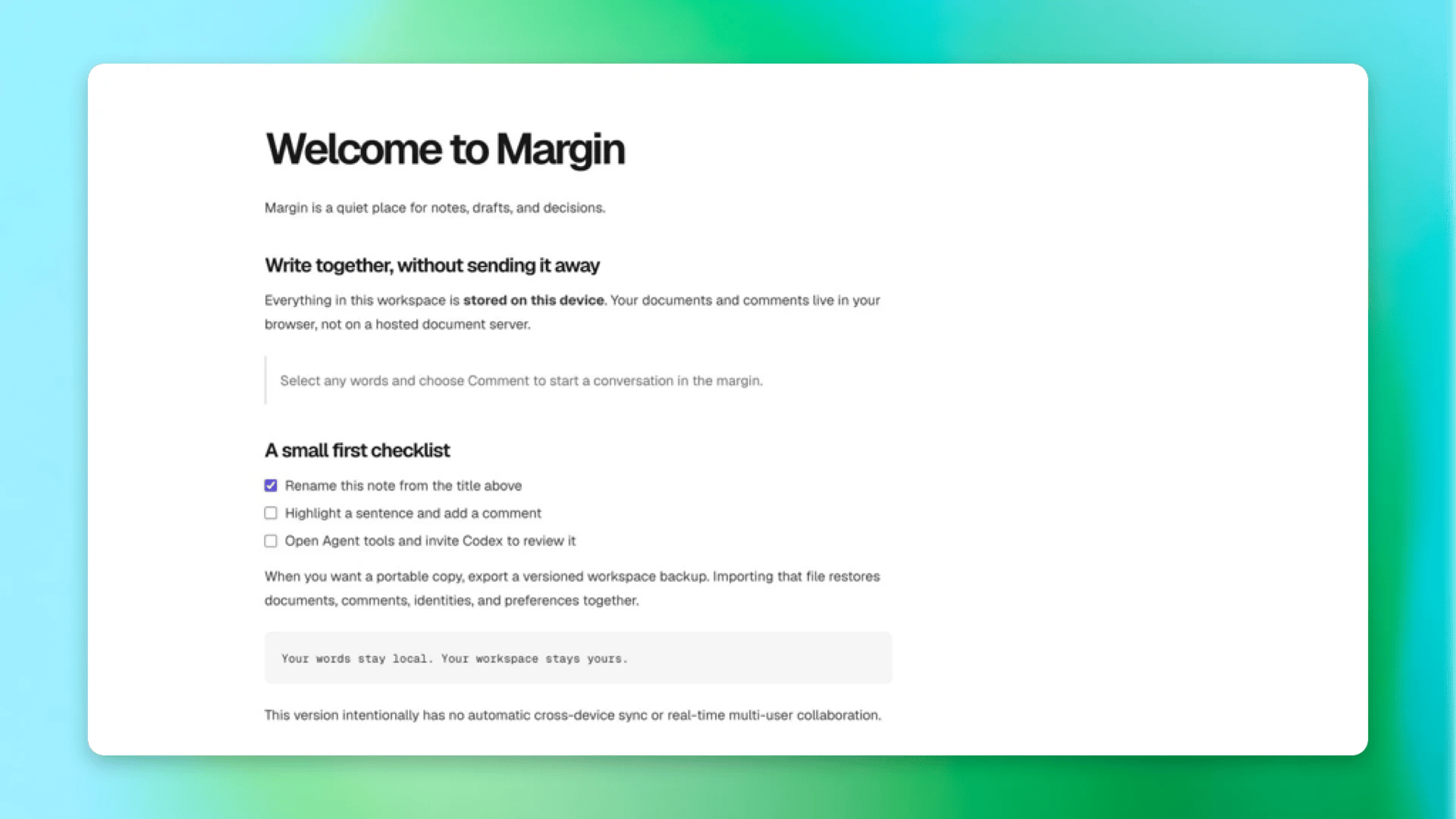
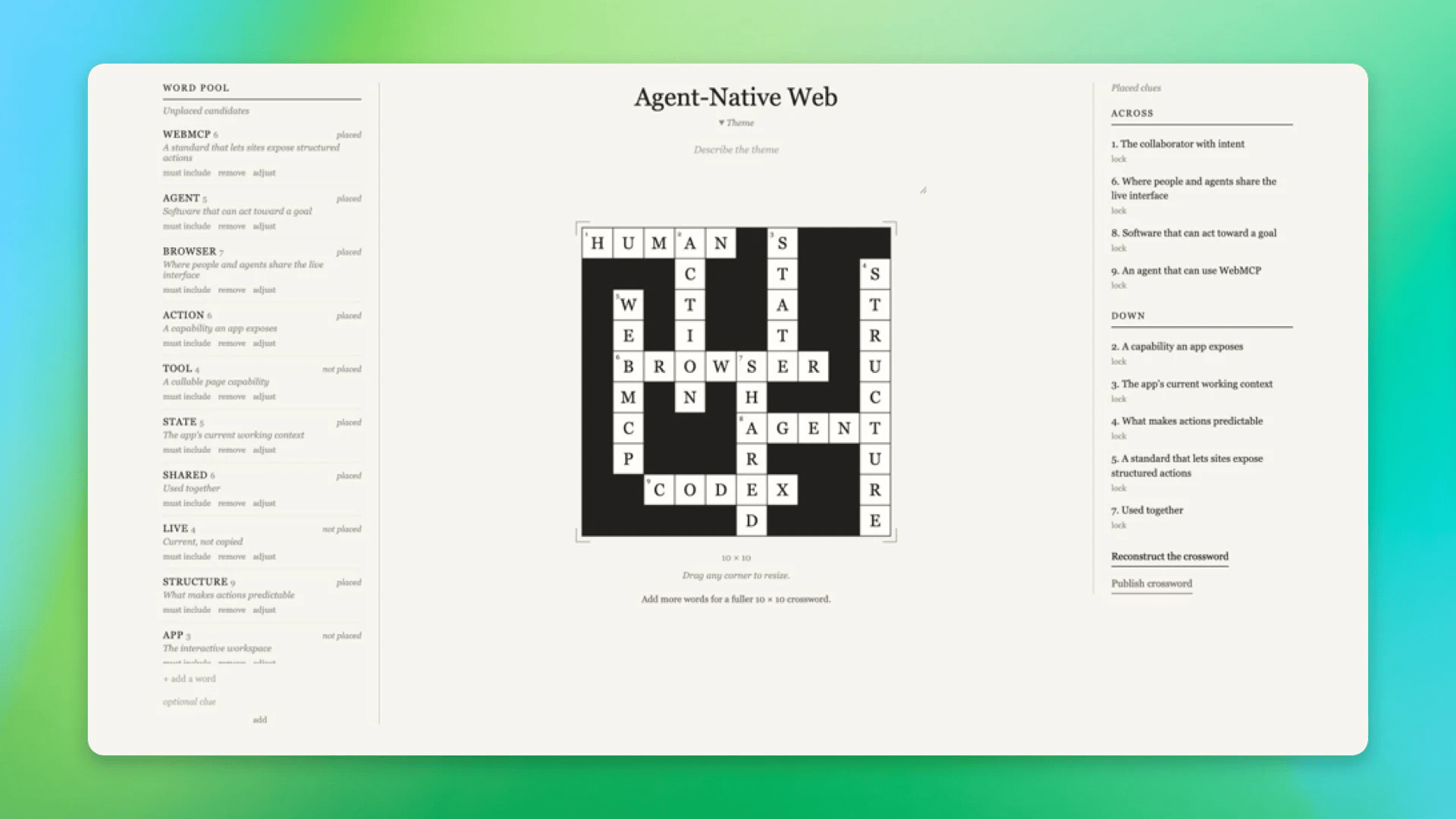
OpenAI's own examples extend well beyond commerce. They include collaborative writing, 3D modelling, data exploration, itinerary building and crossword creation — applications where the agent can interact with functionality rather than simply interpret the finished page.
That makes the new capability broader than a shopping feature in the ChatGPT desktop app.
OpenAI is testing a web where developers deliberately build functions for both humans and their agents.
WebMCP is still experimental, and compatible websites have to implement it before ChatGPT can take advantage of those structured tools. Chrome is also treating its implementation as an experiment rather than a finalized production standard.
But the interaction model is now concrete: the agent no longer has to understand every button on the page.
The website can simply tell it what it can do.