
The shopping cart is no longer sitting at the end of the customer journey.
Google wants it to follow the shopper across Search, Gemini, YouTube and Gmail, watching for price drops, checking product compatibility and helping complete purchases when the buyer is ready. The company introduced Universal Cart at Google I/O 2026 as the next step in its push toward agentic commerce, where AI systems help users research, compare and buy with fewer handoffs between platforms.
The Cart Is Becoming a Shopping Assistant
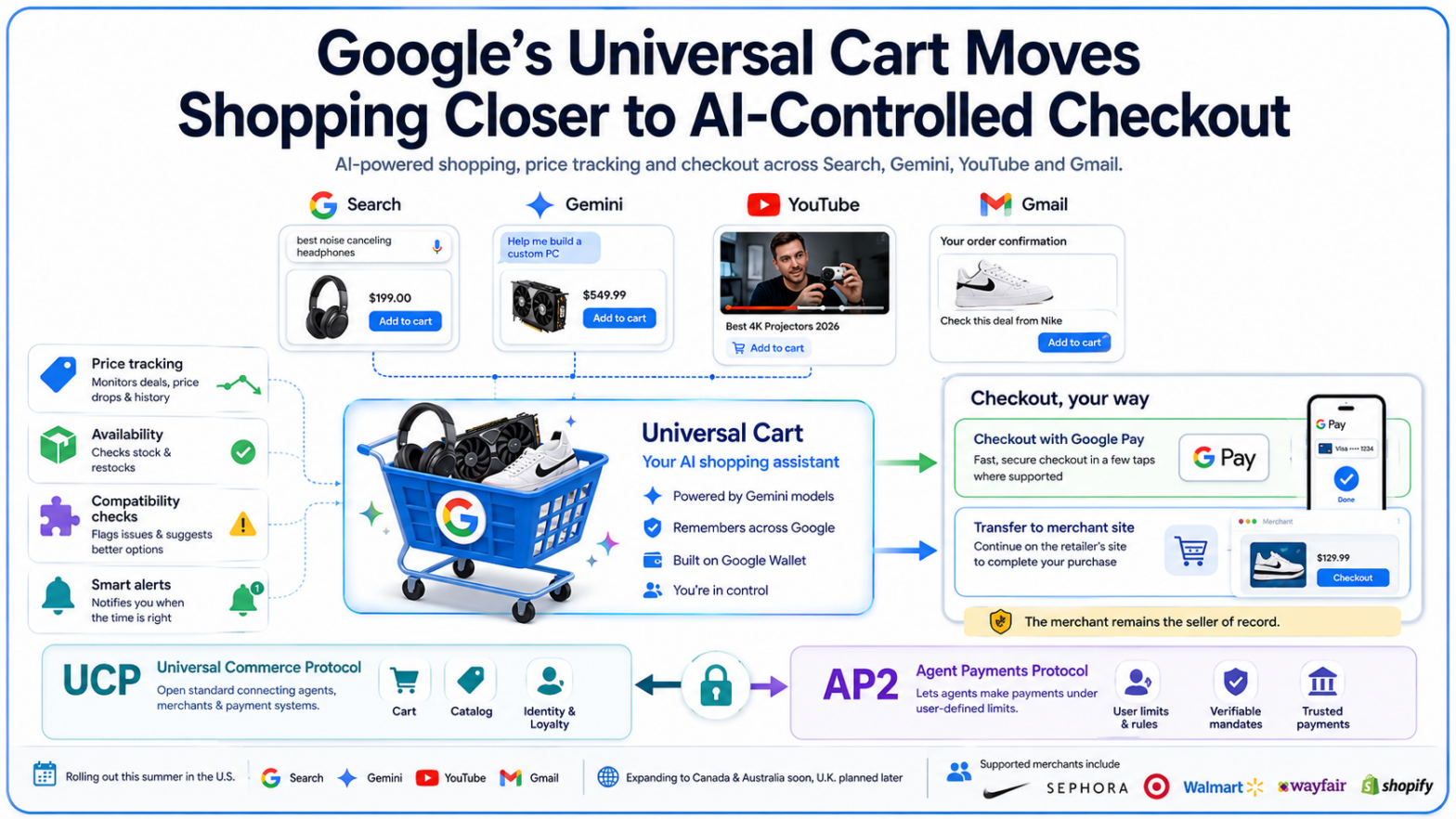
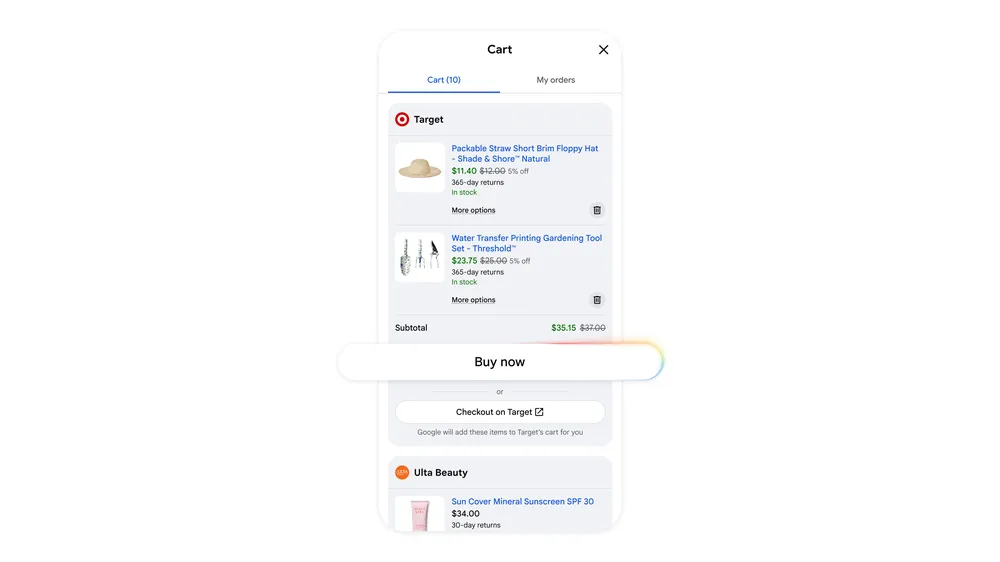
According to Google’s May 19 announcement, Universal Cart is designed as a central shopping hub that works across merchants and Google services. A shopper could add a product while searching, chatting with Gemini, watching YouTube or reading Gmail, then return to the same cart later.
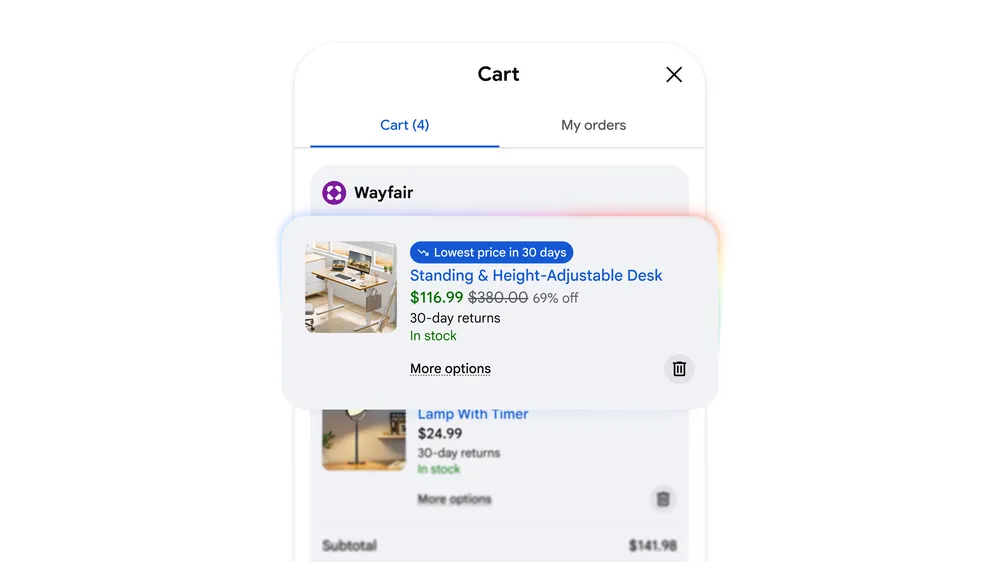
Once an item is added, the cart can monitor deals, price drops, price history and stock availability. Google said the feature runs on Gemini models, allowing the cart to become more capable as those models improve.
That changes the role of the cart. It is not just a saved list of products. It becomes a persistent AI layer between discovery and checkout.
Google Is Pulling Purchase Decisions Into Its Own Surfaces
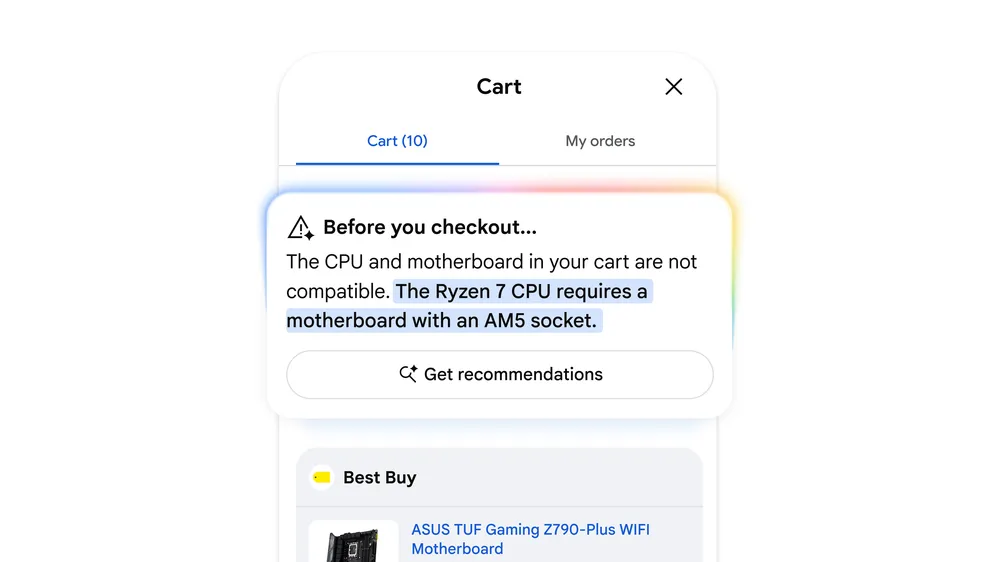
Universal Cart also brings reasoning into the shopping process. Google gave the example of a shopper building a custom PC: if incompatible parts are added from different retailers, the cart can flag the issue and suggest alternatives.
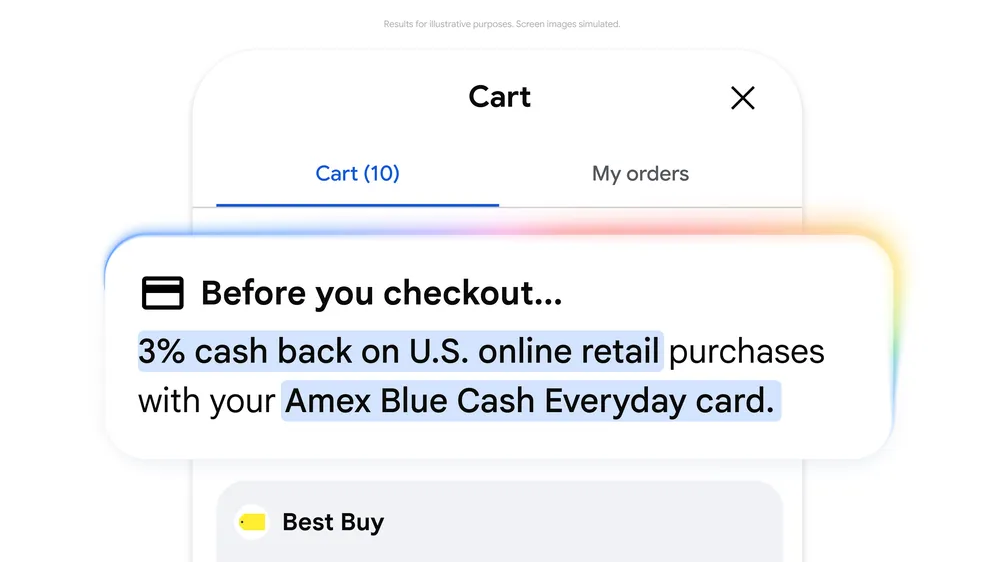
The cart is also built on Google Wallet, which allows it to consider saved payment methods, card perks, loyalty information and merchant offers when helping a shopper decide how to buy.
For retailers, the key detail is where that decision-making happens. The shopper may still buy from the merchant, and Google says the brand remains the merchant of record. But more of the comparison, timing and incentive evaluation may happen inside Google’s interface before the customer reaches the retailer’s site.
Checkout Is Expanding Beyond Search and Gemini
Google said Universal Cart will begin rolling out across Search and the Gemini app in the U.S. this summer, with YouTube and Gmail to follow.
Select checkout features are expected soon with merchants including Nike, Sephora, Target, Ulta Beauty, Walmart, Wayfair and Shopify merchants such as Fenty and Steve Madden. Shoppers will be able to check out with Google Pay in a few taps where supported, or transfer items to the merchant site to complete the purchase.
The merchant remains the seller of record in both cases, according to Google.
That distinction matters. Google is not positioning Universal Cart as a marketplace replacement. It is building a transaction layer that can sit across multiple discovery channels while preserving the merchant relationship at purchase.
UCP Is the Plumbing Behind Agentic Commerce
Universal Cart sits on top of Google’s Universal Commerce Protocol, or UCP, an open standard the company introduced earlier in 2026 with retail and payment partners.
Google has described UCP as a common language for agents, merchants and payment systems across the shopping journey. In January, Google said UCP was co-developed with industry participants including Shopify, Etsy, Wayfair, Target and Walmart, with support from companies across payments, retail and ecommerce infrastructure.
In March, Google expanded UCP with cart, catalog and identity-linking capabilities. Those updates allow agents to save multiple items to a cart, retrieve product details such as pricing and inventory, and apply loyalty or member benefits on integrated platforms.
At I/O, Google said its UCP-powered checkout experience will expand to Canada and Australia in the coming months, with the U.K. planned later. UCP is also coming to YouTube in the U.S. and will expand into verticals such as hotel booking and local food delivery.
Payments Need Rules Before Agents Can Buy
Google is also tying Universal Cart to the Agent Payments Protocol, known as AP2.
AP2 is designed to let agents make payments under user-defined limits. A shopper can specify the brands, products and maximum spend allowed, and the agent can only complete the purchase when those conditions are met.
Google says AP2 creates a verifiable connection between the user, merchant and payment processor, with digital mandates that show the agent acted on the user’s behalf. The company plans to begin bringing AP2 into Google products in the coming months, starting with Gemini Spark.
That payment layer is essential to the broader strategy. AI can recommend products today. Agentic commerce depends on whether shoppers, merchants and payment providers trust AI to complete transactions without losing accountability.
Retail Marketing Will Have to Account for the AI Cart
For ecommerce marketers, Google’s Universal Cart points to a more compressed path from discovery to purchase. Product data, pricing accuracy, inventory feeds, promotions, loyalty information and compatibility details become more important when AI is comparing products and surfacing purchase options inside Google-owned experiences. Retailers may also need to treat Google surfaces as decision environments, not just traffic sources, because discounts, availability and checkout readiness could affect whether a shopper completes a purchase before visiting a brand’s site.
The practical work is not glamorous.
Clean feeds. Accurate pricing. Strong product attributes. Reliable inventory. Clear policies. Those basics become more valuable when an AI cart is making the shopping experience feel continuous across channels.
Google Is Rewriting the Checkout Moment
Universal Cart is not just a shopping convenience feature. It is a signal that Google wants the cart to become an intelligent, cross-surface layer in the buying process.
The customer may start with a search, continue in Gemini, encounter a product on YouTube and finish through Google Pay. The retailer may still own the sale, but Google is working to own more of the journey around it.
That is where agentic commerce is heading first: not to fully autonomous shopping overnight, but to fewer broken handoffs between discovery, comparison and checkout.