

Social platforms spent August giving automation more decisions to make.
Meta reduced some manual ad controls while adding new exclusion tools. TikTok pushed generative AI further into creative production. X and Snapchat opened more of their advertising infrastructure to AI agents. At the same time, LinkedIn and Snapchat were tightening their feeds against low-quality AI content.
The contradiction is only apparent.
Platforms want AI doing more of the work behind campaigns. They are becoming much less enthusiastic about letting low-effort AI output take over the content people actually see.
Here are the biggest social media changes marketers need to know from August 2026.
Meta Is Automating Delivery While Building New Guardrails
Meta's August changes continued a pattern that paid social teams know well: fewer knobs in one part of Ads Manager, more automation underneath them.
The company has been removing individual manual placement exclusions from some campaign setups, pushing advertisers toward broader automated distribution across its inventory. That gives Meta's delivery system more freedom to determine where an impression should run rather than requiring the advertiser to make every placement decision.
But Meta has not abandoned advertiser controls altogether.
A new exclusion-only Custom Audience option gives advertisers a dedicated way to build audience lists specifically for suppression. In its guidance for exclusion-only Custom Audiences, Meta explains that advertisers can create these audiences from sources such as customer lists and use them to prevent defined groups from receiving ads.
The two changes point in opposite directions only at first glance. Meta is taking more control over where an eligible ad appears while giving advertisers clearer tools for defining who should not see it.
Instagram is testing automation further down the funnel as well. Advertisers have begun seeing an option that can automatically send a Direct Message when somebody comments on a sponsored Instagram post, reducing the gap between public engagement and a private conversation.
Meta's broader AI push is reaching smaller businesses at the same time. The company has been integrating Meta AI into business workflows so owners can handle customer questions and work with advertising and performance information conversationally. TechWyse recently covered the expansion of Meta AI campaign analysis, which lets businesses connect account data and ask the assistant to inspect campaign performance.
That is becoming a recurring theme in Meta Ads automation: the platform is no longer using AI only to deliver an ad. It increasingly wants AI involved in analysing, managing and responding to what happens around it.
Instagram also introduced First Draft, a workflow designed to speed up the rough-cut stage of Reels production. In its announcement introducing First Draft, Instagram showed how the feature can assemble an initial edit that creators can continue refining rather than forcing every Reel to begin from an empty timeline.
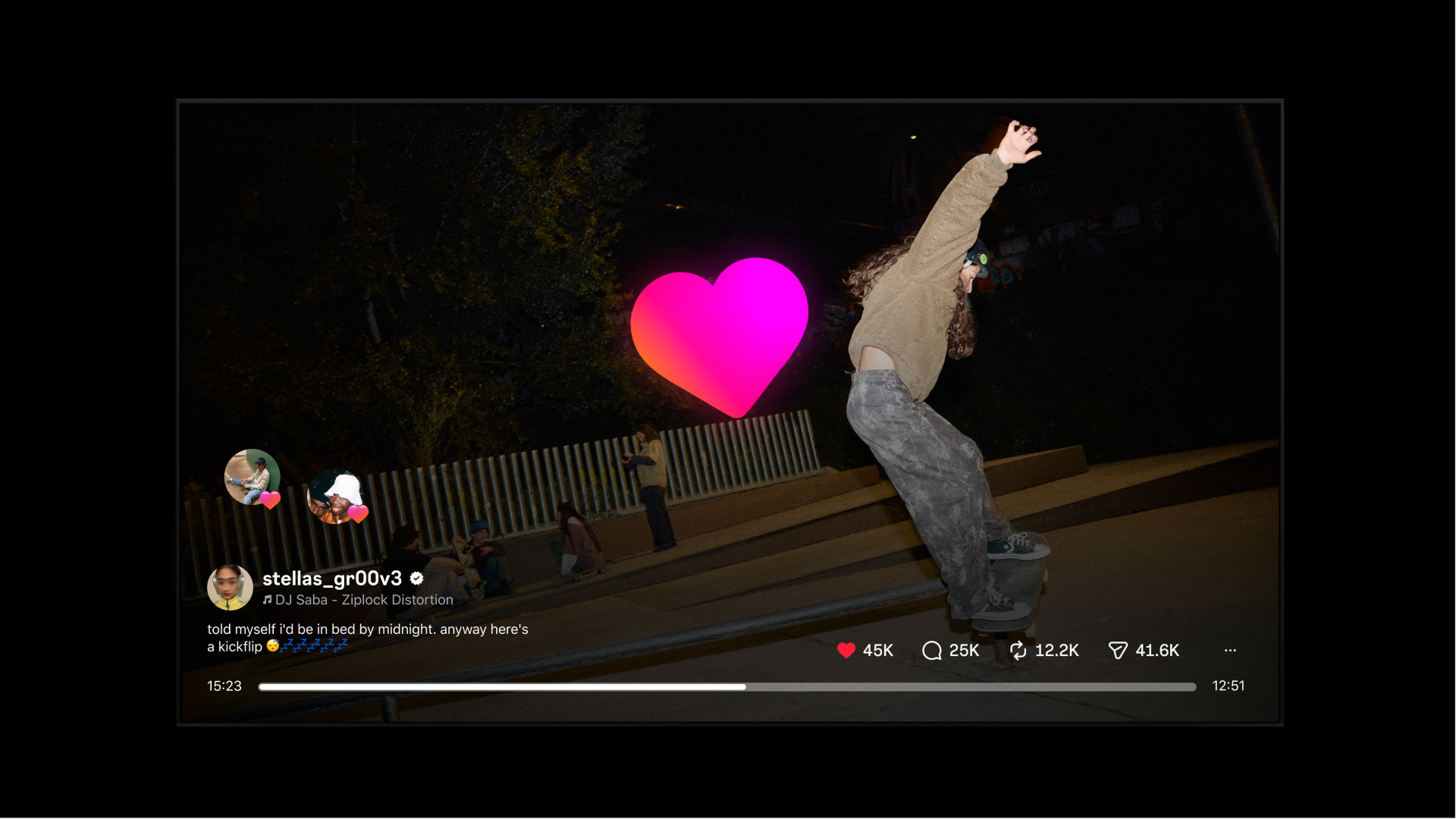
And Meta's television ambitions are expanding. According to its latest Instagram for TV update, the experience is now available across Samsung TVs in the U.S., alongside existing support for Google TV and Fire TV, while Meta tests casting, Stories, horizontal video and other living-room formats.
For brands planning the other end of the year, Meta also released its seasonal advertising guidance as Q4 campaign preparation begins.
TikTok Wants AI to Produce More of the Creative
TikTok's August story starts with video generation.
ByteDance's Dreamina Seedance 2.5 model is rolling into TikTok Symphony, giving advertisers more control over AI-generated video and substantially more room to supply reference material.
In its Seedance 2.5 rollout announcement, TikTok says the upgraded system can generate videos up to 30 seconds long, double the previous 15-second limit, while accepting as many as 50 image, video and audio references instead of nine. Advertisers can also give timestamp-specific creative instructions.
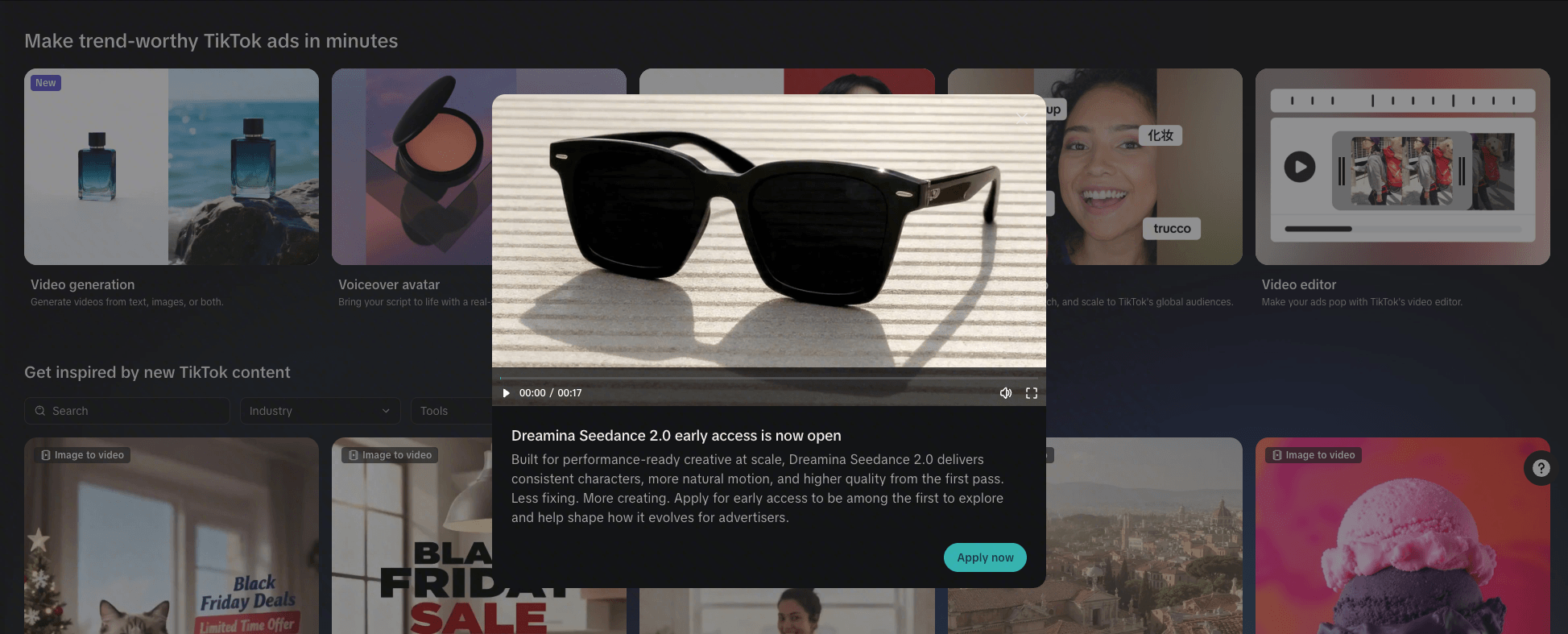
The model is rolling out to selected paid advertisers in selected markets through Symphony Creative Studio, Symphony Automations in Ads Manager and the Symphony API.
TikTok says generated assets receive AI labels and invisible watermarking, while its moderation system checks prompts and source material for areas including unauthorized likenesses and intellectual property.
That puts generative video directly into an advertising workflow that was already becoming heavily automated. TikTok previously introduced Symphony as a wider suite covering video and image generation, avatars, dubbing, automation and AI-assisted creative work, as outlined in the platform's official Symphony overview.
TechWyse has also tracked the wider expansion of TikTok advertising into AI campaign management, premium inventory, search advertising and agentic tools.
August added more distribution and commerce experiments around that foundation. TikTok has been broadening the places advertisers can surface through public feeds and search-oriented placements, while testing payment and wallet features intended to reduce friction for purchases inside TikTok Shop.
LIVE creators are getting more AI assistance too, including generated opening material designed to help broadcasters start streams without a cold open.
Taken together, the production loop is getting shorter: generate the creative, place it across more surfaces and keep the transaction inside TikTok for as long as possible.
X Is Rebuilding Advertiser Workflows Around Leads and APIs
X brought back a familiar performance format in August: native lead-generation ads.
The revived format lets people submit their information without first being sent to an advertiser's website, bringing lead capture back inside the feed. X now features Lead Gen Ads within its advertiser resources, putting native form completion back into its performance advertising mix.
The more consequential changes are happening behind the interface.
X has launched Model Context Protocol support for its advertising infrastructure, providing a standardized way for compatible AI tools to interact with X Ads data and workflows. The platform's developer documentation now includes an official X Ads MCP server for connecting external AI systems to its advertising environment.
Brands are also getting more options for automated messaging through X Direct Messages. X's business messaging documentation supports chatbot-based DM experiences, giving companies another route for customer service and automated conversations without pushing every interaction to an external support channel.
Developer incentives are tying X's platform more closely to xAI as well. Under X's developer API pricing and credit structure, developers can access incentives connected with xAI services, encouraging more experimentation with applications that combine X data and Grok capabilities.
August also brought more attention to how X distributes content. The platform has been publishing additional information around ranking and visibility, including how video can receive distribution and how filtering systems affect reach.
Creator monetization is changing alongside it, with X tightening the impression requirements attached to revenue-sharing eligibility.
The pattern is broader than any single ad format. X is trying to make its advertising and platform data usable not only by people clicking through dashboards, but also by software acting on their behalf.
LinkedIn and Snapchat Are Drawing a Line Around AI Slop
AI is welcome in the marketing stack.
In the feed, platforms are setting different rules.
LinkedIn's "Seems like AI slop" feedback control, introduced at the end of July, passed one million uses within its first two weeks, according to Chief Product Officer Hari Srinivasan. The tool lets members flag posts they believe are low-quality AI output rather than treating every suspected AI-assisted post as a formal policy violation.
LinkedIn says members are seeing about 40% fewer views on content the platform classifies as AI slop compared with a few weeks earlier. It is also surfacing private feedback in Post Analytics when enough members perceive a post that way.
The distinction is important. LinkedIn is not saying that AI-assisted writing is automatically prohibited. It is trying to reduce material that appears mass-produced, repetitive or designed to manufacture engagement without adding much substance.
At the same time, LinkedIn continues to use AI where it sees practical value.
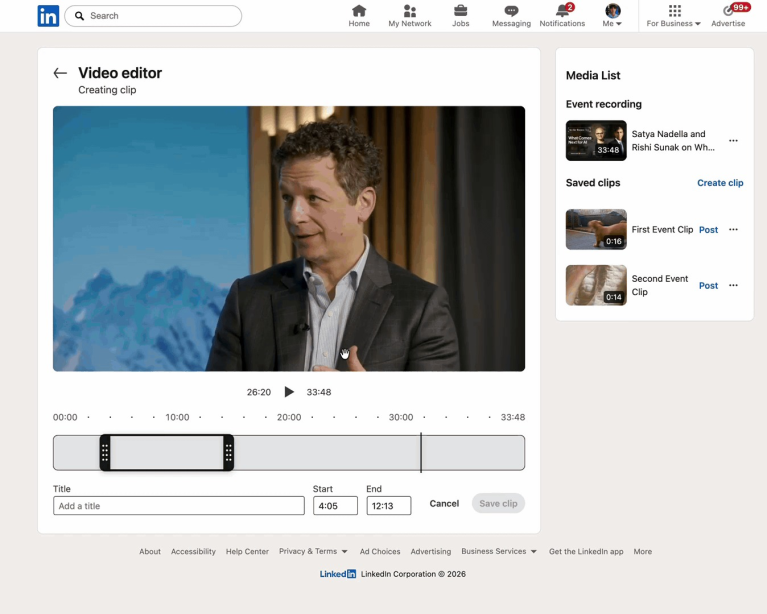
Its event tools can turn longer recordings into shorter clips for post-event distribution. LinkedIn describes this capability in its Event Clipping feature announcement, positioning recorded sessions as reusable assets for Sponsored Content, retargeting and lead generation.
LinkedIn is also adjusting its content guidance around conversation and discovery. The company's latest B2B marketing resources include material on making content easier to surface in AI-driven search, another sign that professional content is being optimized for human feeds and machine retrieval at the same time.
Snapchat has taken a more explicit position on fully generated content.
In its updated Spotlight recommendation policy, Snap says wholly AI-generated videos are no longer eligible for recommendation in Spotlight. AI-enhanced work can still qualify, but the company says its recommendation systems will increasingly favour authentic, human-made creativity.
That restriction arrived as Snapchat opened its advertising data to AI agents.
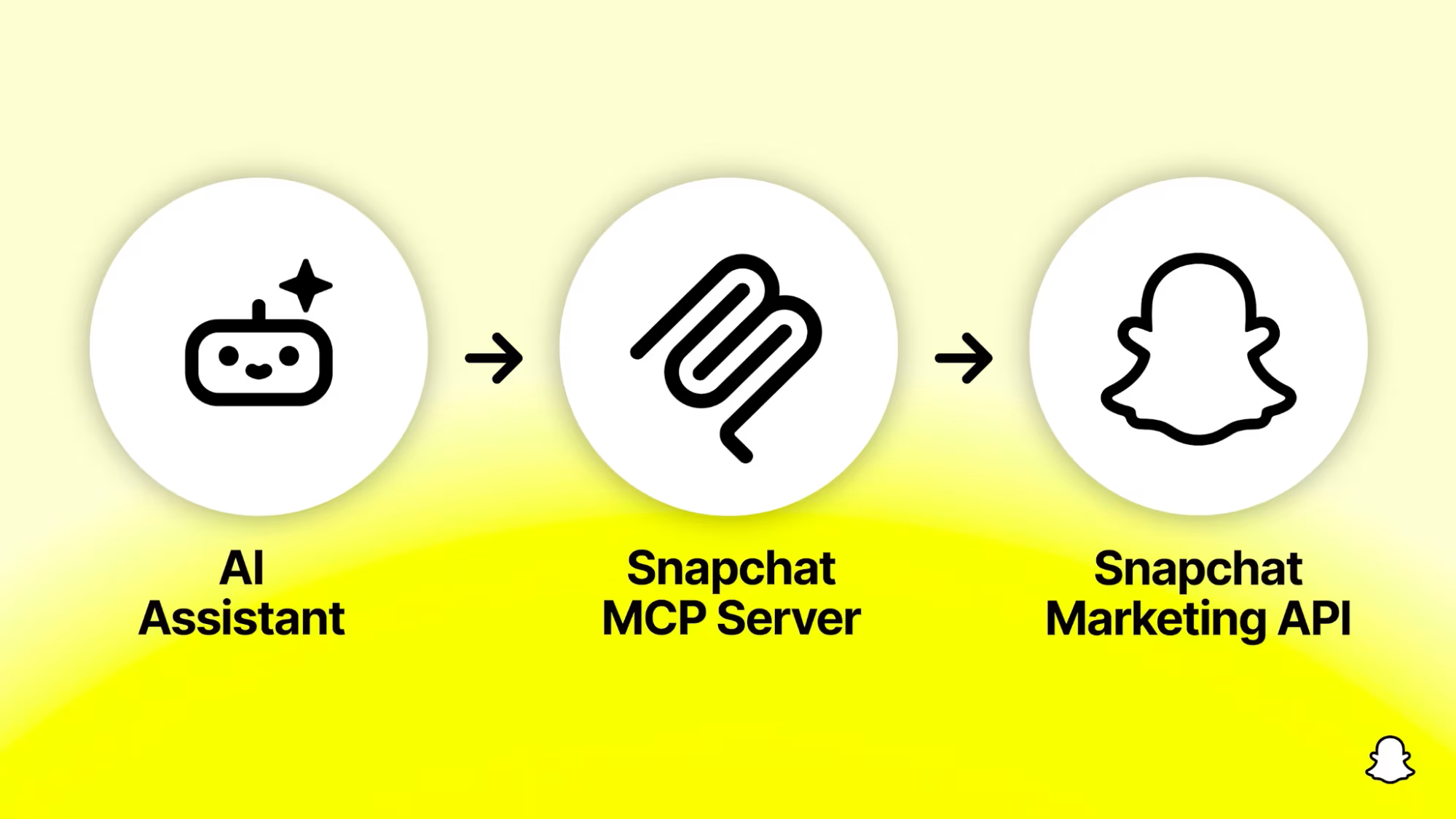
The Snap Ads MCP Server launched on August 3, creating an official connection between Snap's Ads API and supported AI agents including ChatGPT, Claude and Gemini. At launch, those connections give agents access to Snap advertising information for analysis and planning.
So Snapchat is making an increasingly clear distinction between AI as operating infrastructure and AI as feed filler.
That distinction could become one of the defining social media updates of 2026.
Pinterest Is Already Treating Holiday Shopping as an August Story
Pinterest is making the case that Q4 starts well before Q4.
In its 2026 holiday marketing guidance, Pinterest says users begin planning, comparing products and saving ideas months before the traditional November advertising rush. The platform is encouraging advertisers to establish campaigns earlier so they are present while people are still forming purchase decisions rather than arriving after those choices have narrowed.
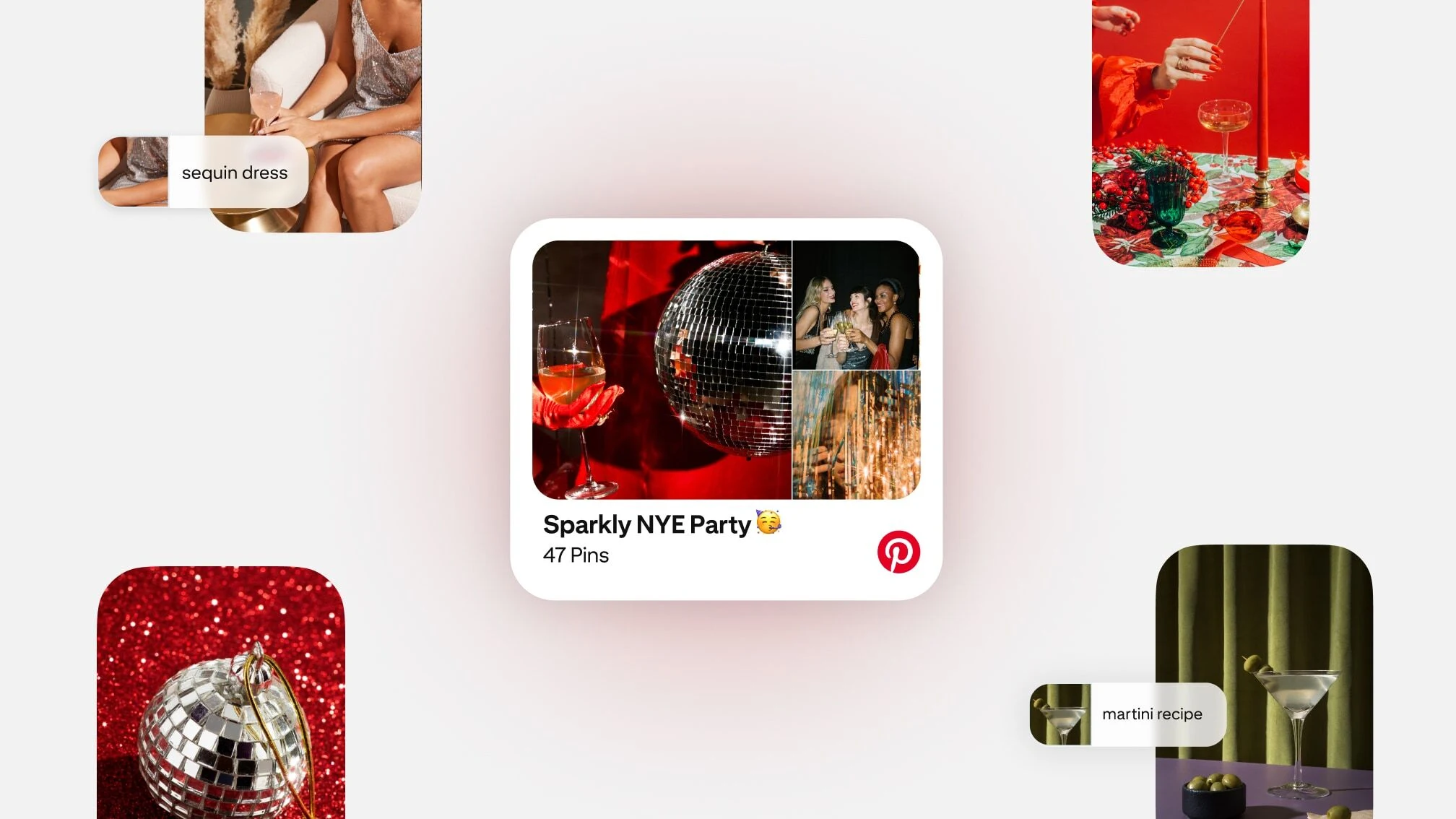
Pinterest's 2026 marketing moments calendar similarly shows search interest for major seasonal moments building well ahead of the event itself.
AI is playing a larger role in the discovery system behind those searches.
Pinterest reported second-quarter 2026 revenue of $1.18 billion, up 18% year over year, with global monthly active users reaching 640 million. The company has pointed to AI-powered recommendations and visual discovery as part of the technology improving relevance and monetization across the platform.
The broader AI advertising story in August therefore was not simply about generating more assets. Meta is using AI to make campaign decisions. TikTok is producing video with it. X and Snap are making ad data accessible to agents. Pinterest is using machine learning to decide which visual ideas and products belong in front of a shopper.
For marketers, the practical work after August is fairly concrete. Paid social teams need to review where automated placement controls have changed, confirm that audience exclusions still operate as intended, document which AI systems are producing creative, and test new agent or API connections against existing reporting processes. Organic teams have a separate issue: LinkedIn and Snapchat are now supplying direct evidence that low-effort AI content can face weaker distribution, even while the same platforms expand AI elsewhere in their products.
Social networks are not retreating from automation.
They are deciding where they want it.
By the end of August, that boundary was becoming much easier to see: more AI behind the campaign, more scrutiny on what AI puts in front of the audience.